


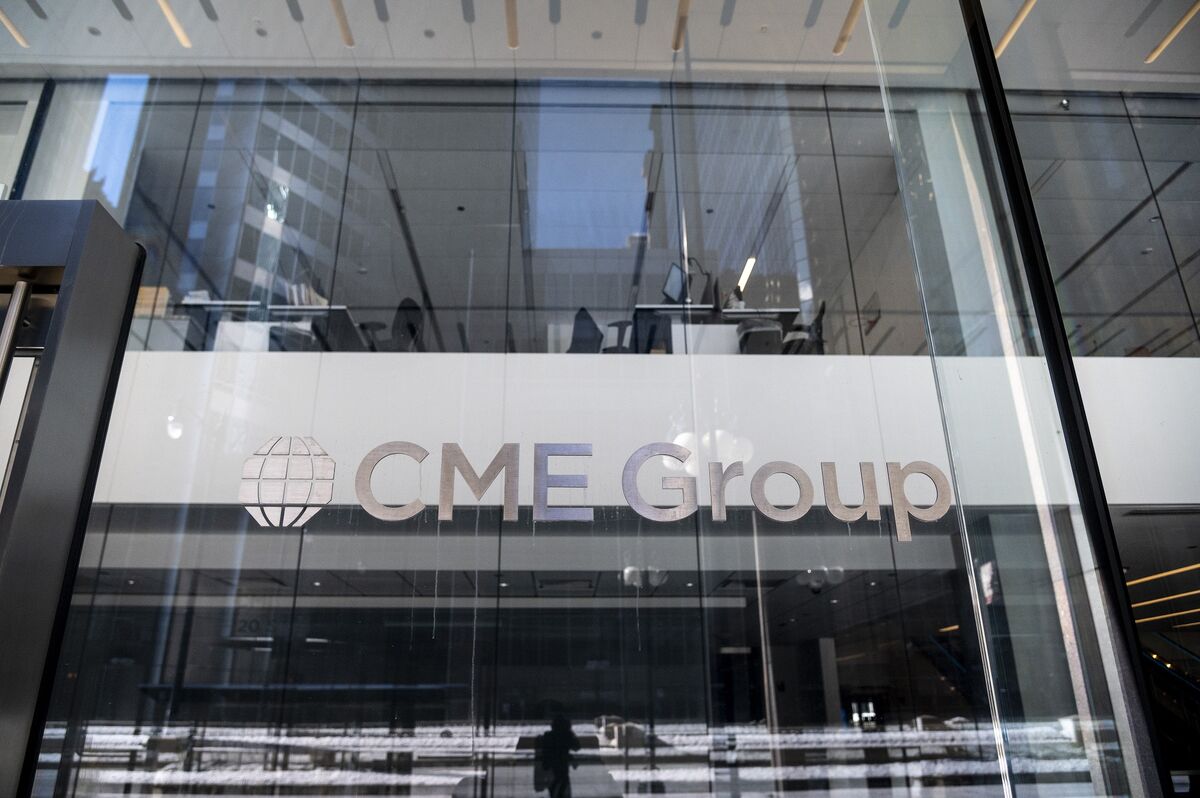

CME Group Launches New Benchmark Rate for U.S. Overnight Funding Costs
Financial Markets Expand Tools for Transitioning Away from LIBOR
In a significant development for global financial markets, CME Group Inc., the world’s leading derivatives marketplace, unveiled a new benchmark rate on Wednesday designed to track overnight funding costs in the United States. The launch marks a pivotal step in the ongoing shift away from traditional benchmark rates, such as LIBOR, toward more transparent and reliable alternatives. The new rate, tied to the Secured Overnight Financing Rate (SOFR), further extends CME Group’s suite of global risk-free rates, offering market participants a critical tool to navigate an increasingly complex financial landscape.
The introduction of this benchmark comes at a time when regulators and financial institutions worldwide are accelerating efforts to phase out LIBOR, the London Interbank Offered Rate, which has long been the cornerstone of global lending and derivative markets. LIBOR’s credibility has been severely undermined following a series of scandals and manipulations, prompting a global push for more resilient and transparent benchmarks. CME Group’s latest offering underscores its commitment to providing robust solutions that align with these evolving regulatory and market demands.
A Milestone in the Transition to Risk-Free Rates
The new benchmark rate, formally named the CME Term SOFR Reference Rates, is designed to reflect the cost of borrowing cash overnight collateralized by U.S. Treasury securities. Unlike LIBOR, which relies on self-reported bank estimates, SOFR is based on actual transactions in the U.S. Treasury repurchase (repo) market, making it a more accurate and reliable indicator of funding costs. CME Group’s rate is available for three key tenors—one, three, and six months—providing market participants with greater flexibility and precision in their financial operations.
“The launch of the CME Term SOFR Reference Rates is a significant milestone in the transition to risk-free rates,” said Sean Tully, Senior Managing Director and Global Head of Financial and Overnight Index Products at CME Group. “By offering a term structure for SOFR, we are addressing a critical need in the market and providing a robust tool for financial institutions to manage their risk and transition away from LIBOR.”
The move is particularly timely as the deadline for LIBOR’s cessation looms closer. According to the Financial Conduct Authority (FCA) in the UK, LIBOR will no longer be published after June 30, 2023, for most currencies and tenors. This has spurred a global effort to adopt alternative rates, with SOFR emerging as the preferred replacement for U.S. dollar-denominated contracts.
Responding to Market Demand
The development of the CME Term SOFR Reference Rates was driven by extensive consultations with market participants, including banks, asset managers, and corporate treasurers, who expressed a need for a term structure to complement overnight SOFR rates. While SOFR has gained widespread acceptance, its overnight nature posed challenges for certain financial instruments and contracts that rely on forward-looking term rates.
“The lack of a term SOFR rate has been a sticking point in the transition process,” said John Doe, a financial analyst at XYZ Consulting. “CME Group’s solution fills this gap, enabling a smoother adoption of SOFR across a broader range of financial products, from loans and mortgages to derivatives and structured products.”
Market participants have welcomed the launch, citing its potential to enhance liquidity and reduce operational complexities. “This is a game-changer for the financial industry,” said Jane Smith, Chief Risk Officer at ABC Bank. “Having a term SOFR rate allows us to align our pricing and risk management practices with the new benchmark, ensuring a seamless transition away from LIBOR.”
Global Implications and Competitive Landscape
CME Group’s initiative also highlights the growing competition among financial institutions and exchanges to establish themselves as leaders in the post-LIBOR era. Other global benchmarks, such as the Sterling Overnight Index Average (SONIA) in the UK and the Euro Short-Term Rate (€STR) in the Eurozone, have gained traction in their respective markets. However, the dominance of the U.S. dollar in global finance underscores the critical importance of SOFR and CME Group’s role in shaping its adoption.
The launch of the CME Term SOFR Reference Rates follows a series of strategic moves by the exchange operator to solidify its position in the benchmark rate market. In recent years, CME Group has introduced a wide range of SOFR-based futures and options contracts, establishing itself as a key player in the transition to risk-free rates.
Challenges and Opportunities Ahead
Despite the progress, the transition to SOFR is not without its challenges. Market participants must navigate complex technical, operational, and legal issues as they adapt to the new benchmark. For instance, legacy contracts tied to LIBOR may require significant amendments to incorporate SOFR or other alternative rates. Additionally, some stakeholders have raised concerns about the volatility of SOFR, particularly during periods of market stress, such as the liquidity crunch observed in March 2020.
However, these challenges also present opportunities for innovation and collaboration. Industry groups, regulators, and market participants are working together to address these issues and ensure a smooth transition. CME Group’s latest offering is a testament to the industry’s collective efforts to build a more resilient and transparent financial system.
A Balanced Path Forward
As the global financial community continues to embrace risk-free rates, the launch of the CME Term SOFR Reference Rates represents a critical step forward. By providing a reliable term structure for SOFR, CME Group is not only addressing a key market need but also reinforcing its leadership in the derivatives and benchmark rate markets. The move underscores the importance of innovation and collaboration in navigating the complexities of the post-LIBOR era.
As financial institutions worldwide adapt to the new benchmark, the success of the transition will depend on continued cooperation among regulators, market participants, and infrastructure providers. While challenges remain, the efforts of CME Group and its peers offer a promising pathway toward a more stable and efficient financial system.
In the words of Sean Tully, “The transition to risk-free rates is a journey, and we’re committed to supporting the market every step of the way.” With initiatives like the CME Term SOFR Reference Rates, that journey is well underway—but the road ahead will require sustained vigilance and adaptability from all stakeholders.
