



Orsted Reaffirms Earnings Outlook Amid Strategic Focus on European Expansion
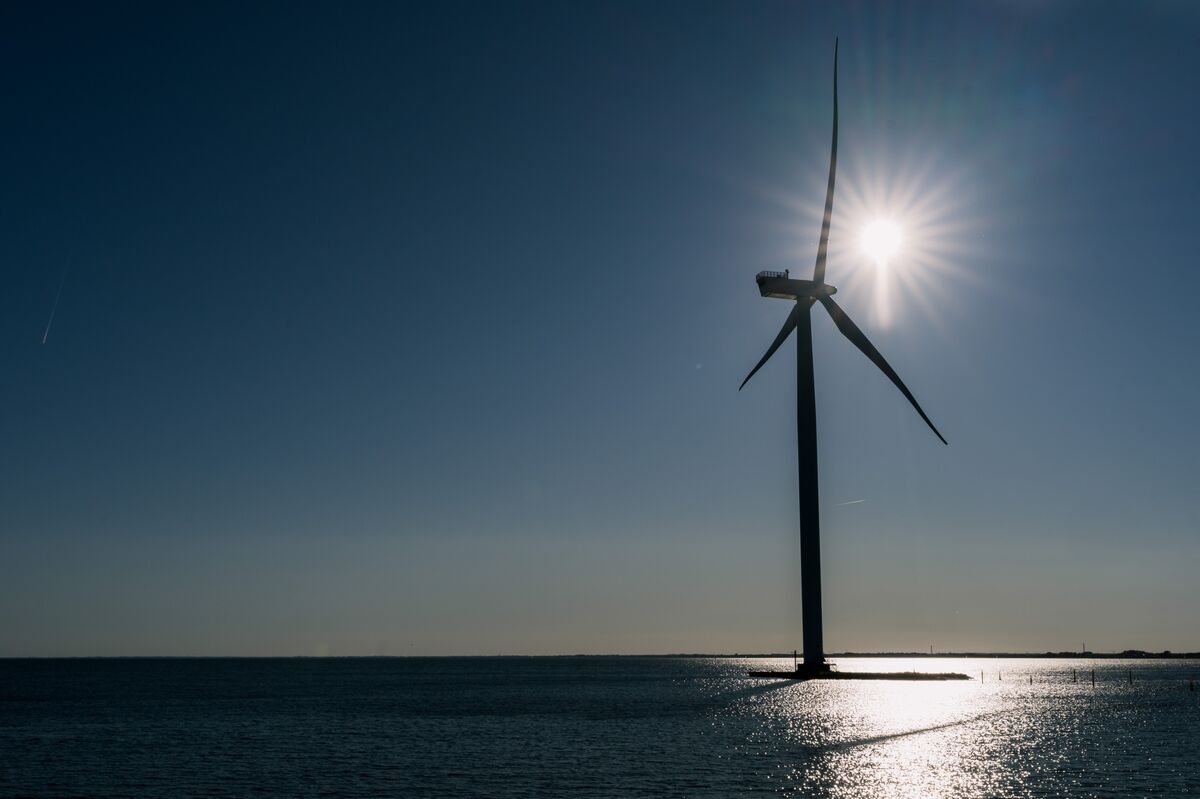
COPENHAGEN, Denmark—In a move signaling confidence amid a turbulent global energy market, Denmark’s Orsted A/S, the world’s largest offshore wind energy developer, has reaffirmed its earnings guidance for 2023. The company’s announcement comes as it intensifies its focus on consolidating its European operations, a strategy aimed at leveraging the region’s accelerating transition to renewable energy.
Orsted’s decision to hold steady on its financial forecast underscores its commitment to long-term growth, even as it navigates challenges such as rising costs, supply chain disruptions, and fluctuating energy prices. The company expects earnings before interest, tax, depreciation, and amortization (EBITDA) to remain within the previously projected range of DKK 20-23 billion ($2.9-3.3 billion), excluding new partnership agreements. This stability reflects Orsted’s ability to manage risks while capitalizing on Europe’s burgeoning demand for clean energy solutions.
Europe’s Renewable Energy Ambitions Fuel Orsted’s Strategy
Orsted’s renewed emphasis on its European business aligns with the continent’s ambitious renewable energy targets. The European Union has set a goal of achieving 42.5% renewable energy by 2030, with offshore wind playing a pivotal role in meeting this objective. As a leader in the sector, Orsted is uniquely positioned to drive this transition.
The company’s European portfolio includes several high-profile projects, such as the Hornsea 3 offshore wind farm in the UK, which is set to become the world’s largest wind farm upon completion. With a capacity to generate up to 2.8 gigawatts (GW) of electricity, Hornsea 3 will power more than 3 million homes and significantly boost the UK’s renewable energy capacity.
Orsted’s strategy also involves expanding its presence in emerging markets within Europe, including Poland and Denmark, where new offshore wind developments are gaining momentum. By doubling down on these regions, Orsted aims to solidify its leadership in the global renewable energy market while contributing to the EU’s climate goals.
Navigating Industry Challenges
Despite its optimistic outlook, Orsted faces several headwinds that could impact its operations. The global energy sector has been grappling with rising costs of materials, transportation, and labor, driven by inflationary pressures and geopolitical tensions. Additionally, supply chain disruptions caused by the COVID-19 pandemic continue to pose challenges for large-scale infrastructure projects.
Orsted has taken proactive measures to mitigate these risks, including securing long-term supply agreements and diversifying its procurement sources. The company’s CEO, Mads Nipper, has emphasized the importance of building resilience in the face of uncertainty. “While the current environment presents challenges, we remain focused on delivering value to our stakeholders and advancing the global energy transition,” Nipper stated in a recent earnings call.
Another critical issue facing Orsted is the increasing competition in the renewable energy sector. As governments worldwide ramp up efforts to combat climate change, new players are entering the market, driving innovation and driving down costs. Orsted’s ability to maintain its competitive edge will depend on its capacity to innovate, optimize operations, and deliver projects on time and within budget.
Global Expansion Temporarily on Hold
While Orsted is doubling down on its European operations, its global expansion efforts appear to have taken a backseat—at least for now. The company had previously announced plans to expand into markets such as the United States and Asia, where renewable energy adoption is rapidly gaining traction. However, resource constraints and shifting priorities have prompted Orsted to focus on consolidating its existing markets before pursuing further international growth.
In the United States, Orsted has already made significant strides, with projects such as the South Fork Wind farm off the coast of Rhode Island. Once operational, South Fork will generate 130 megawatts (MW) of clean energy, enough to power approximately 70,000 homes. While Orsted remains committed to its U.S. ventures, the company has indicated that its immediate focus will be on ensuring the success of its European projects.
Similarly, in Asia, Orsted has been exploring opportunities in countries like Taiwan and Vietnam, where offshore wind potential is immense. However, the company’s cautious approach reflects its commitment to sustainable growth rather than rapid expansion.
A Catalyst for the Renewable Energy Transition
Orsted’s reaffirmed earnings guidance and strategic focus on Europe highlight its role as a catalyst for the global renewable energy transition. The company’s success in delivering large-scale offshore wind projects has not only reduced carbon emissions but also demonstrated the viability of renewable energy as a reliable power source.
Analysts have praised Orsted’s disciplined approach to growth, noting that its emphasis on sustainability and innovation positions it well for long-term success. “Orsted’s ability to navigate complex market conditions while maintaining its commitment to renewable energy is commendable,” said Lars Holm, an energy analyst at Nordic Energy Insights. “Its focus on Europe is a smart move, given the region’s strong policy support for renewables.”
Balancing Ambition with Pragmatism
As Orsted charts its course for the future, it faces the dual challenge of balancing ambition with pragmatism. While the company’s vision of a world powered by renewable energy is inspiring, achieving this goal requires careful planning, robust execution, and the ability to adapt to changing circumstances.
Orsted’s reaffirmed earnings guidance serves as a testament to its resilience and strategic foresight. By focusing on its core European markets, the company is laying the groundwork for sustainable growth while contributing to the global fight against climate change.
As the world watches Orsted’s next steps, the company’s journey offers valuable insights into the opportunities and challenges of transitioning to a renewable energy future. Whether Orsted can maintain its momentum in an increasingly competitive and uncertain landscape remains to be seen, but for now, it appears to be on a steady course.
In the words of CEO Mads Nipper, “The transition to renewable energy is not just a business opportunity—it’s a necessity for our planet. We are committed to playing our part, one wind turbine at a time.”
With its eyes firmly set on Europe, Orsted continues to light the way toward a cleaner, greener future—a vision that resonates far beyond its Danish roots.
