


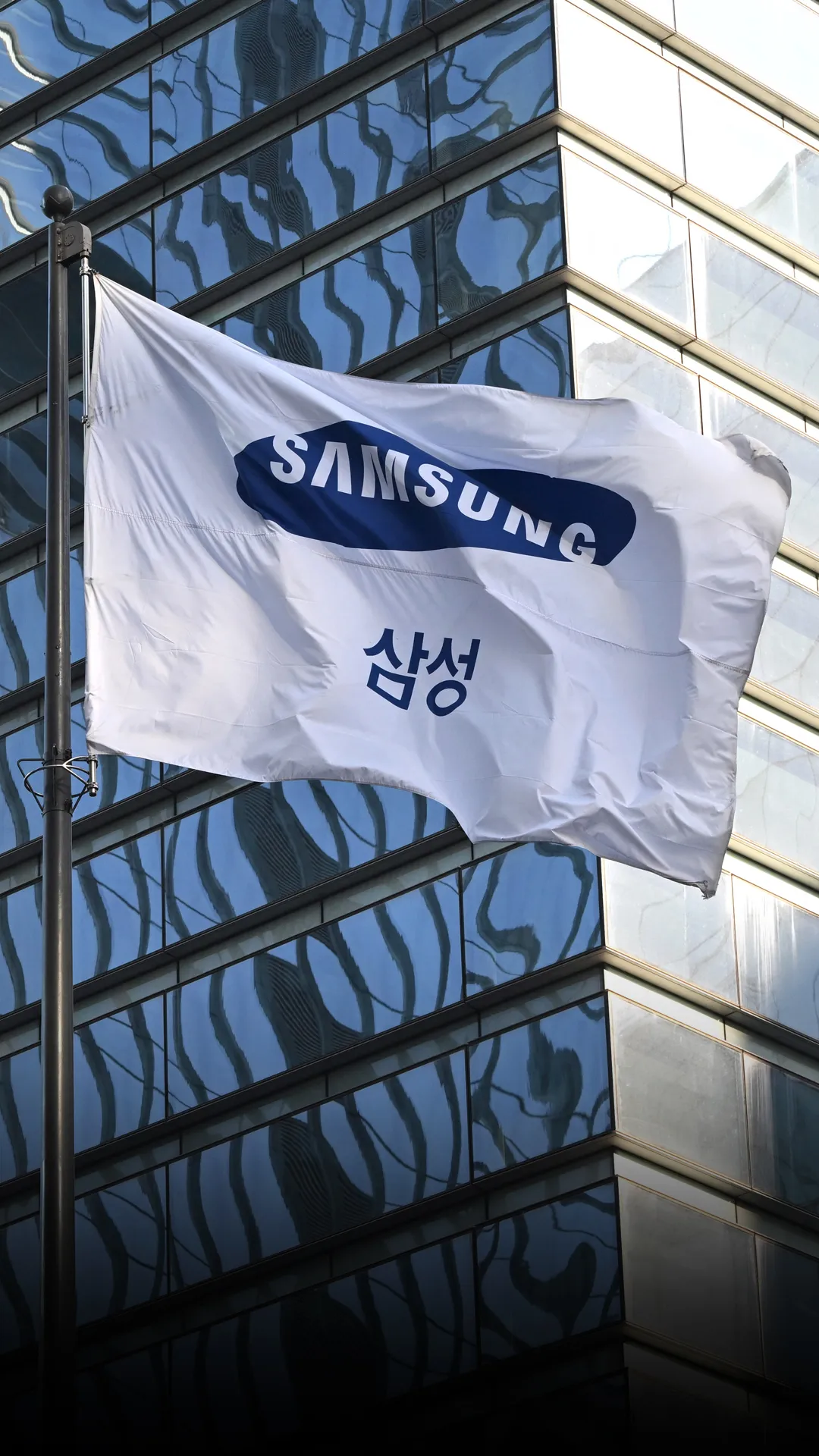

Samsung Electronics Surpasses $1 Trillion Valuation Amid AI Boom, Joining Tech’s Elite
Historic Milestone Cements South Korean Giant Among Global Titans
In a landmark achievement for Asia’s tech sector, Samsung Electronics has soared to a staggering $1 trillion market valuation, propelled by surging investor confidence in its artificial intelligence (AI) capabilities. The South Korean conglomerate becomes only the second Asian company—after Taiwan Semiconductor Manufacturing Co. (TSMC)—to breach the trillion-dollar threshold, entering an exclusive club dominated by U.S. giants like Apple, Microsoft, and AI powerhouse Nvidia.
The milestone, confirmed by Bloomberg data, underscores Samsung’s pivotal role in the global semiconductor and AI supply chain, as demand for high-performance chips and advanced electronics continues to skyrocket. Analysts attribute the company’s rapid ascent to its dominance in memory chips, next-generation AI processors, and its expanding footprint in cutting-edge technologies such as generative AI and autonomous systems.
The AI Boom Fuels Unprecedented Growth
Samsung’s valuation surge mirrors the explosive growth of the AI industry, which has reshaped global markets over the past two years. The company, long known for its consumer electronics like smartphones and televisions, has increasingly positioned itself as a critical enabler of AI infrastructure. Its high-bandwidth memory (HBM) chips, essential for training AI models, have become indispensable to tech giants like Nvidia, which relies on Samsung’s components for its industry-leading AI accelerators.
“Samsung’s rise to a trillion-dollar valuation is a testament to its strategic pivot toward AI-driven technologies,” said Park Sung-soon, an analyst at Seoul-based Cape Investment & Securities. “Their ability to innovate in memory and logic chips has made them an irreplaceable player in the AI revolution.”
The broader semiconductor industry has seen unprecedented demand, with AI applications requiring exponentially more processing power. Samsung, alongside TSMC and Intel, has aggressively expanded production capacity to meet this need, securing long-term contracts with hyperscalers like Amazon Web Services, Google Cloud, and Microsoft Azure.
A Rare Asian Titan in the Trillion-Dollar Club
Samsung’s entry into the trillion-dollar club is particularly significant given the scarcity of Asian firms at this valuation level. Only TSMC, the world’s largest contract chipmaker, had previously achieved this feat—highlighting the growing influence of East Asia in the global tech ecosystem.
The achievement also reflects South Korea’s emergence as a technological superpower. Samsung alone accounts for nearly 20% of the country’s GDP, wielding immense economic and geopolitical influence. Its success has bolstered national pride, with government officials hailing the milestone as a validation of South Korea’s industrial policies and investment in R&D.
However, the company’s ascent has not been without challenges. Geopolitical tensions, particularly between the U.S. and China, have forced Samsung to navigate complex trade restrictions and supply chain disruptions. Additionally, competition from TSMC in advanced chip manufacturing remains fierce, with both firms racing to develop next-generation 2-nanometer processes.
Investors Bet Big on Samsung’s Future
Market analysts note that Samsung’s stock rally has been fueled by a combination of strong earnings, bullish AI forecasts, and strategic partnerships. The company recently announced a $45 billion investment plan to expand semiconductor production in Texas, a move seen as a direct challenge to TSMC’s dominance in the U.S. market.
“Investors are betting that Samsung will be a key beneficiary of the AI arms race,” said Claire Kim, a tech analyst at Goldman Sachs. “Their diversified portfolio—from memory chips to foundry services—gives them a unique advantage.”
Still, some caution that macroeconomic risks, including fluctuating chip prices and potential overcapacity in the semiconductor market, could temper growth. The memory chip sector, in particular, is notorious for its cyclical nature, with past booms followed by painful downturns.
What’s Next for Samsung?
Looking ahead, Samsung faces both immense opportunities and formidable challenges. The company is doubling down on AI-optimized hardware, including its latest Exynos processors and custom AI accelerators designed to rival Nvidia’s GPUs. Its smartphone division is also integrating more on-device AI features, positioning its Galaxy series as a leader in the AI-powered mobile era.
Yet, the road ahead is far from certain. Rivals like TSMC and Intel are pouring billions into next-gen fabrication plants, while Chinese competitors such as SMIC are rapidly advancing in chip technology, despite U.S. export controls. Samsung must also contend with rising labor costs in South Korea and increasing pressure to improve shareholder returns.
A Defining Moment for Global Tech
Samsung’s trillion-dollar valuation is more than just a financial milestone—it signals a broader shift in the global tech hierarchy. As AI reshapes industries from healthcare to finance, semiconductor manufacturers are becoming the backbone of the digital economy. Samsung’s ascent underscores the critical role of hardware in the AI revolution, proving that the companies powering the algorithms are just as valuable as those developing the software.
For now, the tech world watches closely to see whether Samsung can sustain its momentum. As one analyst put it: “Reaching $1 trillion is historic, but staying there is the real challenge.”
With AI still in its infancy and the semiconductor wars heating up, Samsung’s next chapter promises to be as dynamic as its rise to the top.
