



Gold Prices Hold Steady Amid Geopolitical Tensions and Renewed Inflation Concerns
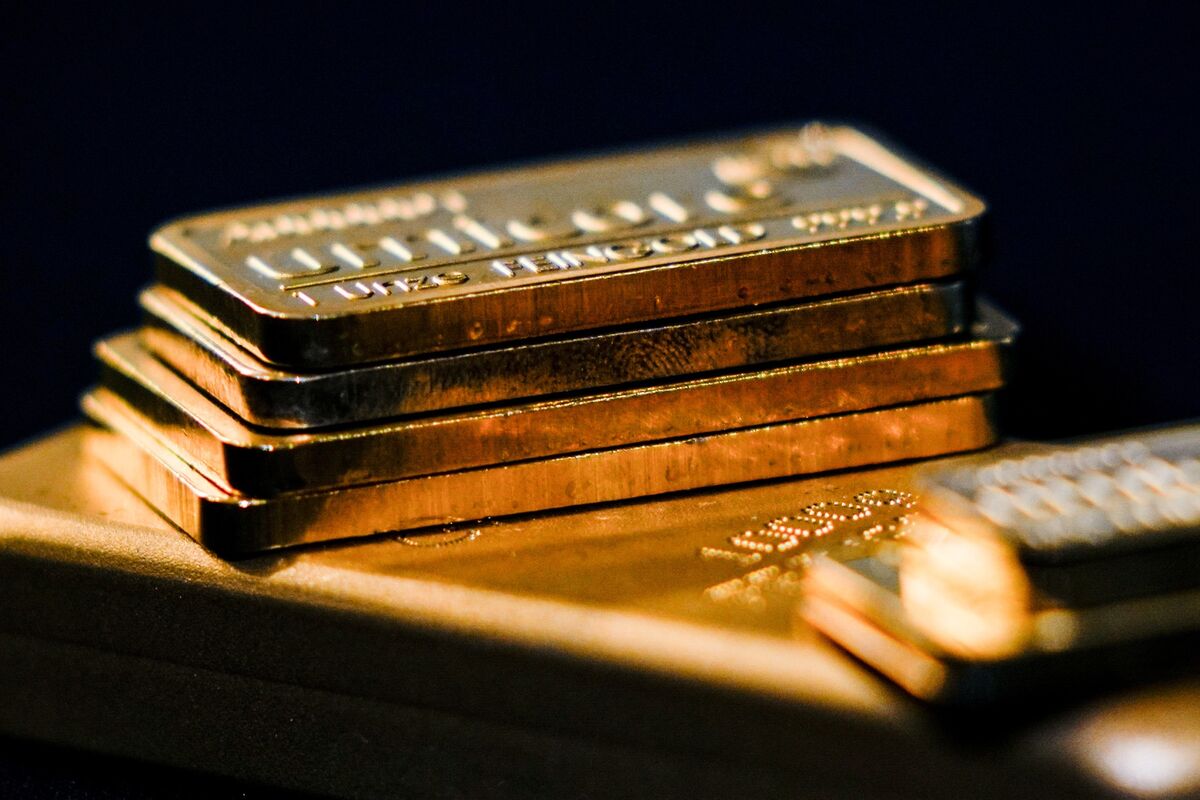
Global gold markets remained largely unchanged on Thursday as optimism over a potential deal to reopen the Strait of Hormuz dissipated, replaced by renewed geopolitical tensions and inflationary worries. Reports of attacks on US Navy vessels in the region have reignited fears of supply chain disruptions and escalating conflict, prompting investors to reassess their strategies in an already volatile economic climate. Against this backdrop, gold’s status as a traditional safe-haven asset has kept its price stable, hovering around $1,950 per ounce, as market participants weigh the interplay of geopolitical risks and monetary policy outlooks.
The Strait of Hormuz: A Flashpoint for Global Tensions
The Strait of Hormuz, a narrow waterway linking the Persian Gulf to the Arabian Sea, has long been a critical chokepoint for global energy supplies. Approximately 20% of the world’s oil passes through this strategic corridor, making it a focal point for international tensions. In recent weeks, diplomatic efforts to ease disruptions in the region had raised hopes of a breakthrough, potentially stabilizing oil prices and dampening inflationary pressures. However, those hopes were dashed following reports of attacks on US Navy vessels patrolling the area, which have underscored the fragility of the situation.
While details of the incidents remain sparse, analysts suggest that such episodes could escalate tensions between Iran and Western nations. The US Navy has been a key presence in the region, ensuring the free flow of maritime traffic and deterring potential threats. Any disruption to its operations could have far-reaching consequences for global energy markets, driving up oil prices and exacerbating inflationary pressures at a time when central banks are already grappling with persistent price increases.
Gold’s Role Amid Economic Uncertainty
Gold, often referred to as a “safe-haven” asset, tends to perform well during periods of uncertainty. Its value is traditionally seen as a hedge against inflation, geopolitical instability, and currency devaluation. In recent months, gold prices have benefited from a combination of factors, including persistent inflation, concerns over a potential global recession, and geopolitical tensions. The metal’s stability in the face of Thursday’s developments highlights its enduring appeal to investors seeking to mitigate risk.
The current economic landscape has added to gold’s allure. Inflation remains stubbornly high in many parts of the world, despite aggressive interest rate hikes by central banks. In the United States, for instance, the Federal Reserve has raised rates to their highest level in over two decades, yet inflationary pressures persist. This has created a delicate balancing act for policymakers, who must navigate the dual risks of stifling economic growth and failing to rein in rising prices.
At the same time, geopolitical tensions have added another layer of complexity. From the ongoing conflict in Ukraine to the renewed instability in the Middle East, investors are grappling with a myriad of risks that could disrupt global markets. Gold’s ability to retain its value in such conditions has made it an attractive option for diversifying portfolios and protecting wealth.
Market Reactions and Investor Sentiment
Thursday’s market activity reflected a cautious approach by investors. While gold prices remained steady, equity markets experienced mixed performance, with energy stocks gaining on the back of rising oil prices. The prospect of further disruptions in the Strait of Hormuz has fueled concerns about energy supply shortages, pushing crude oil prices higher. Brent crude, the global benchmark, rose by nearly 2%, reflecting the market’s heightened sensitivity to geopolitical developments.
Currency markets also saw notable movements, with the US dollar strengthening against several major currencies. A stronger dollar typically exerts downward pressure on gold prices, as the metal becomes more expensive for holders of other currencies. However, gold’s resilience in the face of a stronger dollar underscores the depth of concerns driving investor sentiment.
Analysts suggest that the coming days will be crucial in determining the trajectory of gold prices. Much will depend on developments in the Middle East, particularly the response of the US and its allies to the reported attacks on Navy vessels. Any escalation in tensions could trigger a surge in gold prices, as investors seek refuge from potential market volatility. Conversely, a de-escalation could ease inflationary concerns and reduce demand for the metal.
Broader Implications for Global Markets
The situation in the Strait of Hormuz is a stark reminder of the interconnectedness of global markets and the potential for localized conflicts to have far-reaching consequences. Disruptions in the region could lead to higher energy prices, which would ripple through the global economy, driving up costs for businesses and consumers alike.
For central banks, this presents a particularly challenging scenario. Higher energy prices could exacerbate inflationary pressures, forcing policymakers to maintain or even tighten monetary policy despite signs of slowing economic growth. Such a course of action could increase the risk of a global recession, further complicating the outlook for investors.
Against this backdrop, gold’s role as a stabilizing force in portfolios becomes increasingly important. While the metal does not generate income like bonds or dividends like stocks, its ability to preserve value during turbulent times makes it a valuable component of a diversified investment strategy.
Looking Ahead: A Delicate Balance
As the world watches developments in the Strait of Hormuz, the coming days will be pivotal in shaping market sentiment and economic outcomes. The delicate balance between geopolitical risks, inflationary pressures, and monetary policy decisions will continue to influence gold prices and broader financial markets.
For investors, the current environment underscores the importance of vigilance and adaptability. While gold’s stability offers reassurance, the broader economic landscape remains fraught with uncertainty. In such conditions, a measured approach that balances risk and opportunity will be key to navigating the challenges ahead.
As always, the interplay of global events and economic forces will determine the trajectory of gold and other assets. For now, the precious metal remains a reliable barometer of the world’s fears and hopes, reflecting the complex dynamics shaping our shared future.
