



Ohio Voters Reject Majority of School Levies in Tuesday’s Election
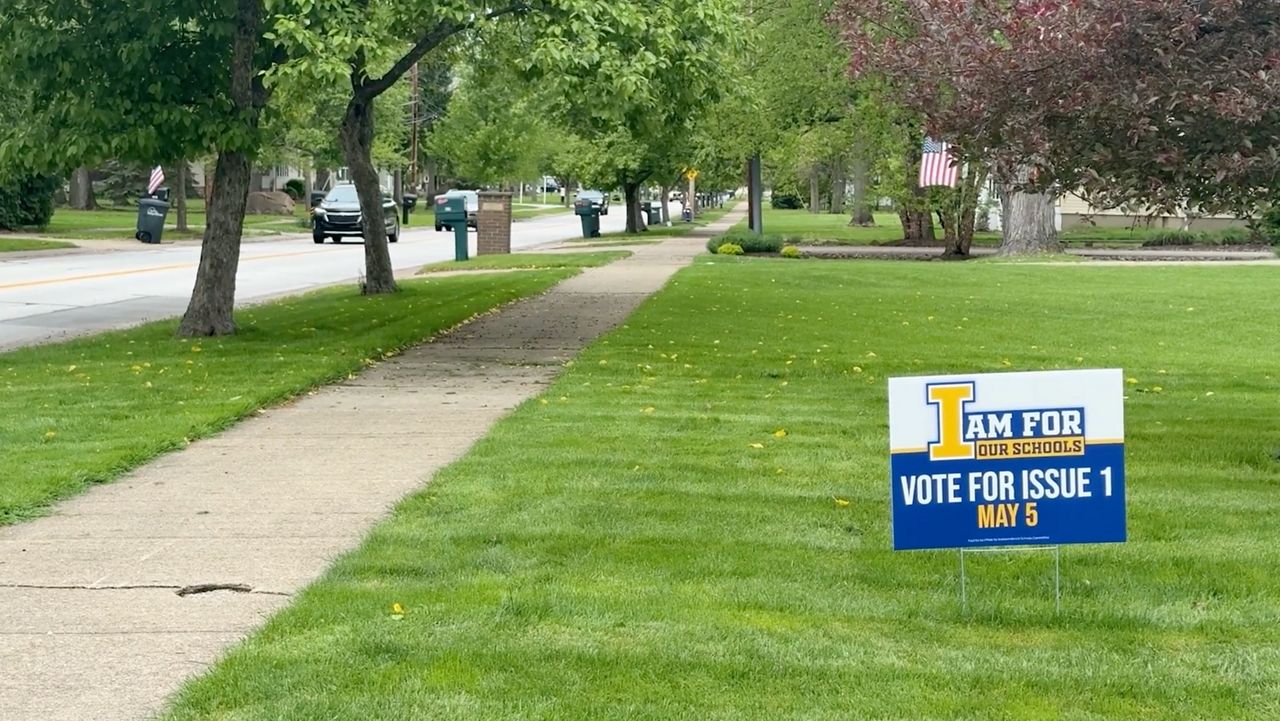
Ohio voters delivered a mixed verdict on school funding during Tuesday’s election, with a majority of the 66 school levies on the ballot failing to pass. Only 16 of these levies were renewals, highlighting the challenges districts face as they seek new funding sources to support education.
Tom Hosler, CEO of the Ohio School Board Association, described the results as a significant setback for many districts. “New money issues are always a challenge,” Hosler said. “It’s like asking for a second date. Renewals are familiar, but this time, there were a lot of first dates.”
Districts across the state had hoped to shift away from traditional property taxes by introducing earned income tax levies. However, most of these proposals were rejected by voters. Hosler explained that property taxes are more familiar to taxpayers, while alternative funding methods require a learning curve. “People aren’t always sure what these new approaches mean for them,” he added.
One notable exception was the Lorain City Schools, where voters approved an 11-mill property tax levy. Superintendent Jeff Graham described the levy’s passage as critical for the district. “It would have been devastating if this levy didn’t go through,” Graham said. The funds will allow the district to restore all-day preschool programs, which had been cut due to budget constraints.
Despite the victory, Graham acknowledged that significant cuts will still be necessary. “There are still a lot of programs, support services, and courses we’ll no longer be able to provide,” he said. The district plans to outline its next steps at a school board meeting scheduled for next Monday.
In Parma, another district that sought voter support for an income tax levy, the measure failed. The district has already announced plans to return to the ballot in November.
Across Ohio, renewal levies have fared better than new funding requests. Since 2023, 84% of renewal issues have been approved by voters. On Tuesday, 12 of the 16 renewal requests on the ballot passed, reflecting voter support for maintaining existing funding levels.
Hosler emphasized that districts are increasingly engaging with their communities to explore alternative funding solutions. “They’re asking residents, ‘What do you want? Is there a better way to fund our schools?’” he said.
As districts grapple with budget shortfalls, the results of Tuesday’s election underscore the complexities of school financing in Ohio. While renewals remain a reliable option, the push for new funding methods faces an uphill battle.
— Reported by Nexio News
