



Global Oil Markets on Edge as Iran Conflict Sparks Fears of Price Volatility
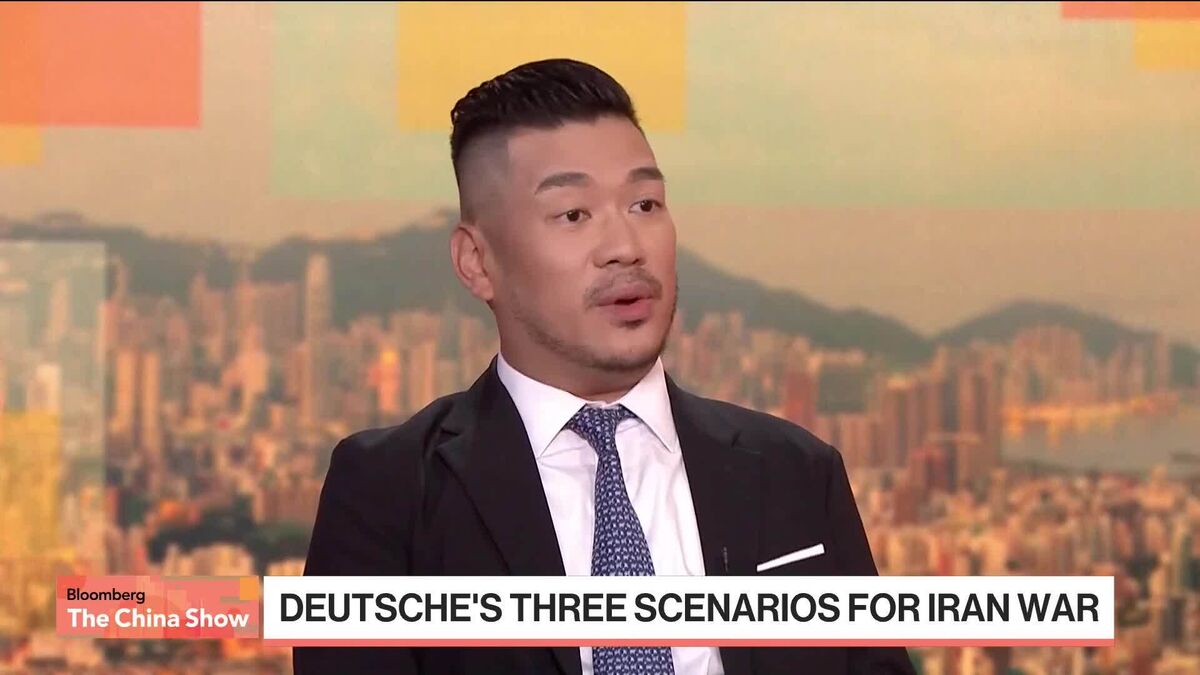
The geopolitical landscape of the Middle East has once again thrust global oil markets into a state of uncertainty, as escalating tensions in Iran raise concerns over potential disruptions to energy supplies. Analysts warn that the duration and intensity of the conflict could dramatically influence crude oil prices, with ripple effects felt across the global economy. Jacky Tang, emerging markets chief investment officer at Deutsche Bank’s private banking arm, has outlined several scenarios for oil prices based on how long the crisis persists, highlighting the fragility of energy markets in the face of geopolitical instability.
The Immediate Impact on Oil Prices
Oil prices have already experienced notable fluctuations since the onset of the conflict in Iran, with Brent crude and West Texas Intermediate (WTI) benchmarks climbing to their highest levels in months. As one of the world’s largest producers of crude oil and a key player in the Organization of the Petroleum Exporting Countries (OPEC), Iran’s geopolitical turmoil has significant implications for global energy supplies. Any disruption to its output or export capabilities could tighten the global oil market, driving prices upward.
According to Jacky Tang, the trajectory of oil prices will depend largely on the duration of the conflict. In a short-term scenario, where the crisis is resolved swiftly, Tang predicts a temporary spike in prices followed by a gradual stabilization. However, if the conflict persists, the situation could evolve into a prolonged supply shock, exacerbating price volatility and putting additional pressure on already strained economies.
Historical Context and Market Sensitivity
The global oil market has long been sensitive to geopolitical tensions in the Middle East, a region that accounts for nearly one-third of the world’s crude oil production. Past conflicts, such as the Gulf War in the early 1990s and the Iraq War in the 2000s, have demonstrated how swiftly oil prices can surge in response to supply concerns. The current crisis in Iran evokes memories of these events, particularly as the country holds significant sway over the Strait of Hormuz, a critical chokepoint through which roughly 20% of the world’s oil supply passes.
Moreover, the global energy market is still grappling with the aftermath of the COVID-19 pandemic and the ongoing war in Ukraine, both of which have disrupted supply chains and contributed to price volatility. The conflict in Iran adds another layer of complexity to an already fragile ecosystem, raising fears of a sustained period of high energy costs.
Economic Implications Worldwide
The repercussions of rising oil prices extend far beyond the energy sector, impacting industries ranging from transportation to manufacturing and even consumer goods. Higher energy costs typically lead to increased production expenses, which are often passed on to consumers in the form of higher prices. For economies already battling inflationary pressures, such as the United States and parts of Europe, a prolonged surge in oil prices could further complicate monetary policy decisions.
Emerging markets are particularly vulnerable to oil price shocks, as many rely heavily on energy imports to fuel their economies. Countries like India and Turkey, which are major consumers of crude oil, could see their trade deficits widen and currencies weaken if prices remain elevated. Jacky Tang emphasizes the need for policymakers to prepare for potential economic headwinds, particularly in regions where energy costs constitute a significant portion of GDP.
Diplomatic Efforts and Global Response
Amid the escalating crisis, international leaders are calling for de-escalation and diplomatic solutions to prevent further destabilization of the region. The United Nations has urged all parties to exercise restraint and engage in dialogue, while major oil-consuming nations are closely monitoring the situation to assess its impact on energy supplies.
In parallel, major oil producers, including Saudi Arabia and Russia, are reportedly evaluating their production strategies to mitigate potential supply gaps. OPEC+ members, who have been gradually increasing output in recent months, may face pressure to accelerate production hikes to stabilize markets. However, such decisions are often fraught with complexity, as producers must balance market needs with their own economic interests.
Investor Sentiment and Market Outlook
The uncertainty surrounding the Iran conflict has left investors grappling with heightened volatility in energy markets. Oil futures have seen increased trading activity as market participants attempt to price in various scenarios. According to Jacky Tang, investors should brace for a range of outcomes, from short-term price spikes to longer-term supply constraints, depending on how the crisis unfolds.
Energy stocks have also experienced mixed reactions, with shares of major oil companies initially rallying on the prospect of higher prices, while renewable energy firms face potential setbacks as rising fossil fuel costs could slow the transition to cleaner energy sources. The broader equity markets remain cautious, as higher energy prices could weigh on corporate earnings and consumer spending.
Environmental and Energy Transition Considerations
The crisis in Iran also reignites debates over the global energy transition and the need for greater diversification away from fossil fuels. While renewable energy adoption has accelerated in recent years, the world remains heavily reliant on oil and gas to meet its energy needs. Analysts argue that geopolitical risks underscore the importance of accelerating investments in alternative energy sources and improving energy efficiency to reduce vulnerability to supply shocks.
However, the immediate focus remains on navigating the current crisis and its impact on global energy markets. As Jacky Tang notes, policymakers and market participants must remain agile in their response to rapidly evolving developments, balancing short-term needs with long-term sustainability goals.
Conclusion: Navigating Uncertainty in a Fragile Market
As the conflict in Iran continues to unfold, the global oil market finds itself at a crossroads, grappling with the potential for significant price volatility and supply disruptions. While the full impact of the crisis remains uncertain, one thing is clear: the world’s reliance on oil as a primary energy source leaves economies and consumers vulnerable to geopolitical shocks.
In the coming weeks, the focus will be on diplomatic efforts to de-escalate the situation and on the ability of major oil producers to stabilize supplies. In the meantime, businesses, governments, and consumers alike must prepare for a range of scenarios, from temporary price spikes to prolonged market instability. As the global community navigates this latest challenge, the crisis serves as a stark reminder of the interconnectedness of geopolitics and energy markets—and the urgent need for a more resilient and diversified energy future.
