



European Central Bank on High Alert as Iran Conflict Fuels Inflation Concerns
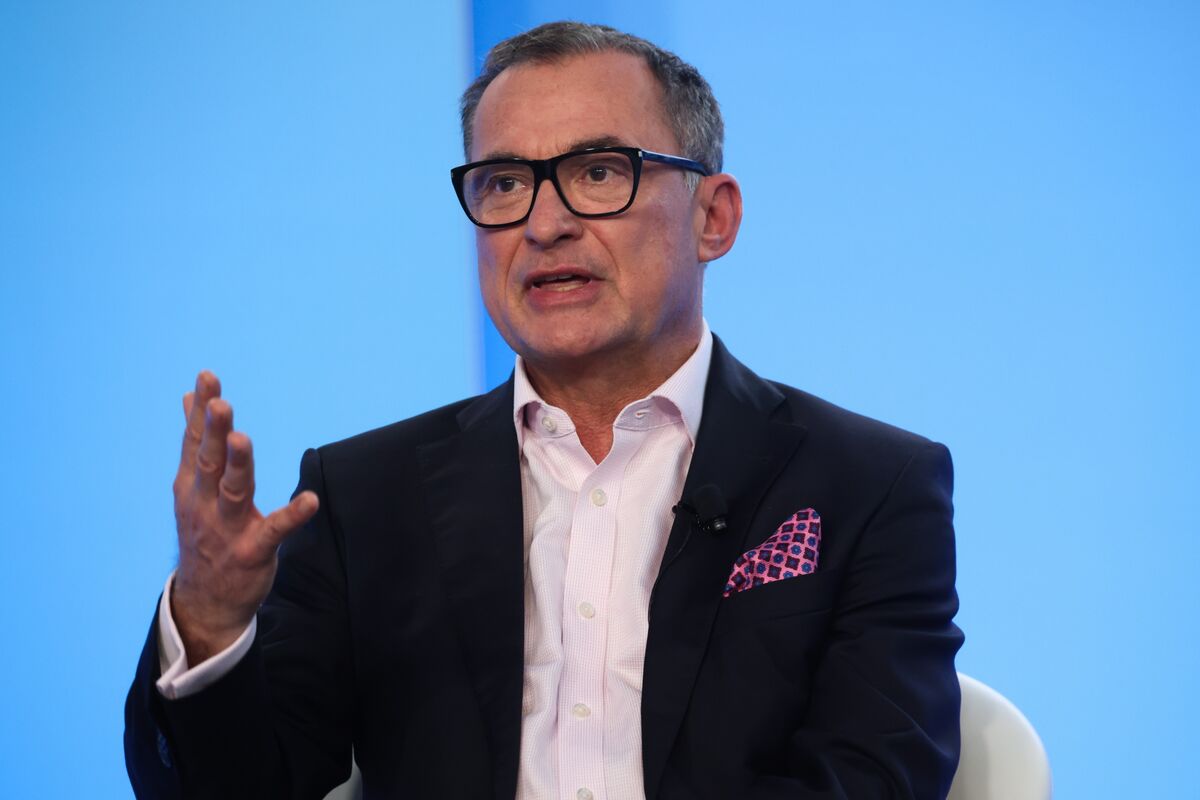
The European Central Bank (ECB) has declared itself “highly vigilant” to escalating inflation risks triggered by geopolitical tensions, particularly the ongoing conflict in Iran, which threatens to exacerbate energy price volatility across the continent. In a stark warning, ECB Governing Council member Joachim Nagel emphasized the bank’s readiness to take decisive action to prevent rising energy costs from spilling over into broader price pressures, underscoring the delicate balancing act faced by policymakers as they navigate an increasingly uncertain economic landscape.
The ECB’s heightened vigilance comes amid mounting concerns that disruptions in global energy markets, driven by geopolitical instability, could reignite inflationary pressures in the eurozone. With inflation already a persistent challenge since the COVID-19 pandemic and Russia’s invasion of Ukraine, the addition of Middle Eastern tensions underscores the fragility of Europe’s economic recovery and the complexities of monetary policy in an era of global uncertainty.
Geopolitical Tensions and Energy Market Volatility
The conflict in Iran has sent shockwaves through global energy markets, with oil prices experiencing sharp fluctuations in recent weeks. As one of the world’s largest oil producers, Iran plays a pivotal role in global energy supply, and any escalation in hostilities could lead to significant disruptions. These disruptions are particularly concerning for Europe, which remains heavily reliant on energy imports and has already faced severe energy crises in recent years.
The ripple effects of higher energy prices are already being felt across the eurozone, with businesses and consumers alike grappling with increased costs. While energy prices constitute a significant component of overall inflation, the ECB is particularly concerned about the potential for these costs to feed into other sectors, creating a more entrenched and widespread inflationary environment.
Nagel, who is also the president of Germany’s Bundesbank, acknowledged the gravity of the situation in a recent statement. “We are highly vigilant to the risks posed by geopolitical developments, particularly in terms of energy prices,” he said. “Our primary objective is to ensure that inflation remains under control and that price stability is preserved. We will act as needed to achieve this goal.”
Inflation Challenges and Monetary Policy Tightening
The ECB has been grappling with high inflation for much of the past two years, with consumer prices peaking at double-digit levels in 2022 due to surging energy costs and supply chain disruptions. While inflation has moderated in recent months, it remains stubbornly above the ECB’s 2% target, driven by persistent core inflation pressures in services and wages.
The central bank has responded with an aggressive tightening of monetary policy, raising interest rates to historic highs in an effort to curb inflationary pressures. However, the effectiveness of these measures is now being tested by external factors, including geopolitical risks and volatile energy markets.
Nagel’s comments reflect the ECB’s growing concern that external shocks, such as the Iran conflict, could undermine its efforts to stabilize prices. “While we have made significant progress in bringing inflation down, we cannot afford to be complacent,” he said. “The risks to inflation remain tilted to the upside, and we must remain prepared to respond.”
The Broader Economic Context
The eurozone economy has shown signs of resilience in the face of multiple challenges, including the energy crisis and tightening monetary policy. However, growth remains sluggish, with many analysts predicting a prolonged period of stagnation. The combination of high inflation and weak growth has created a policy dilemma for the ECB, which must balance its inflation-fighting mandate with the need to support economic activity.
The situation is further complicated by diverging economic conditions across eurozone member states. While some countries, such as Germany, have struggled with near-recessionary conditions, others, like Spain and Ireland, have shown surprising strength. This divergence poses challenges for the ECB’s one-size-fits-all monetary policy, as policymakers seek to address the varying needs of individual economies.
The Path Forward
Looking ahead, the ECB faces a complex and uncertain environment. While the immediate focus is on managing inflation risks, policymakers must also consider the broader economic implications of their actions. Maintaining price stability remains the central bank’s primary objective, but it must also be mindful of the potential impact on growth and employment.
Nagel’s remarks suggest that the ECB is prepared to take further action if necessary, including additional interest rate hikes or other measures to tighten monetary policy. However, the central bank is likely to proceed cautiously, given the risks to economic growth and the potential for unintended consequences.
Analysts will be closely watching upcoming ECB meetings for signals on the bank’s next steps. The central bank’s decision-making process will be shaped by incoming data on inflation, economic growth, and geopolitical developments. In the meantime, policymakers are urging governments to take proactive measures to address structural vulnerabilities, particularly in energy markets, to reduce the eurozone’s exposure to external shocks.
A Balancing Act
As the ECB navigates this challenging environment, the stakes could not be higher. The central bank’s credibility and effectiveness hinge on its ability to maintain price stability while supporting the broader economy. With geopolitical risks rising and inflation pressures persisting, the ECB faces a delicate balancing act that will require skill, foresight, and determination.
In the words of Nagel, “The road ahead is uncertain, but we are committed to fulfilling our mandate and ensuring the stability of the eurozone economy.” For now, the ECB’s vigilance serves as a reminder of the profound challenges facing global policymakers in an era of heightened unpredictability.
As the world watches, the ECB’s actions will not only shape the economic trajectory of Europe but also serve as a critical barometer of how central banks can respond to an increasingly volatile global landscape. For policymakers and consumers alike, the path forward remains fraught with uncertainty, but the ECB’s resolve offers a measure of reassurance in turbulent times.
