


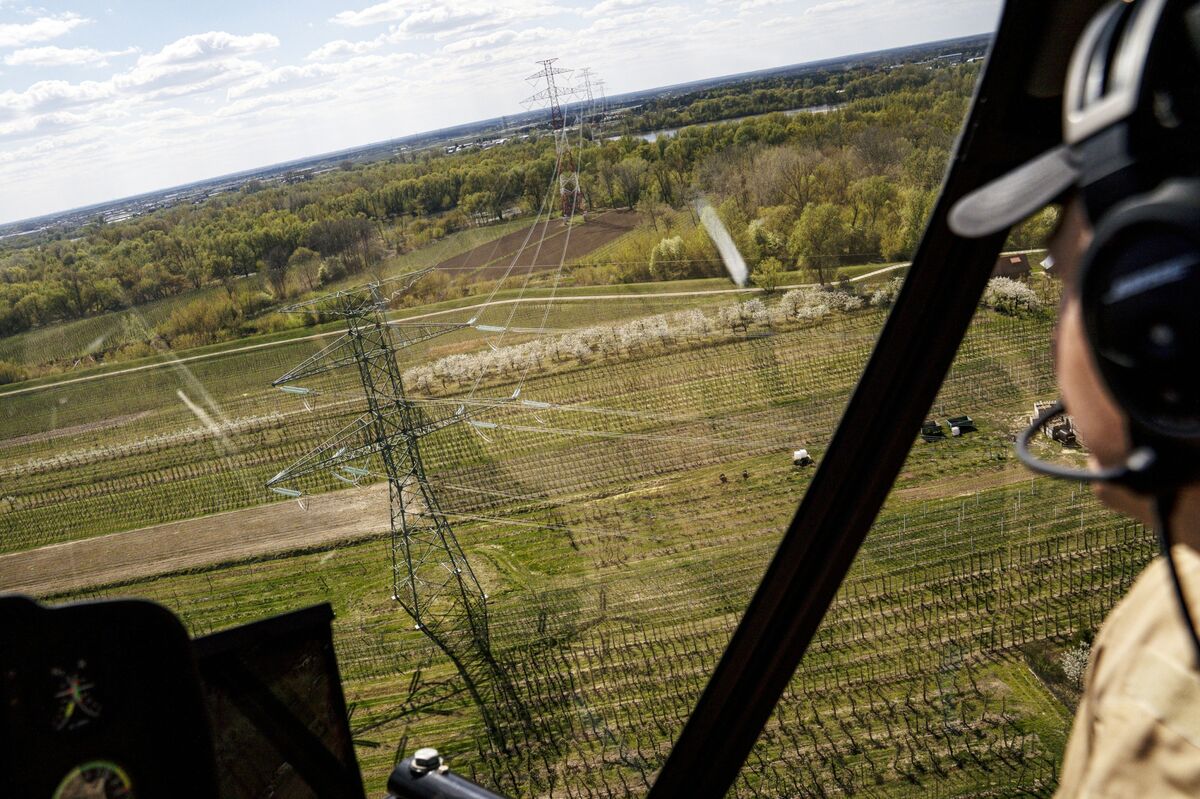

Global Energy Grids Fortify Defenses Against Rising Threats of Sabotage and Cyberattacks
Critical Infrastructure at Risk as Grid Operators Bolster Security Measures
Energy grids worldwide are undergoing a massive security overhaul as operators race to defend against escalating threats of sabotage and cyberattacks. Following a surge in physical assaults on substations and increasingly sophisticated digital intrusions, governments and utility companies are investing billions in next-generation protections—from AI-powered monitoring to hardened physical barriers—to safeguard the backbone of modern civilization.
The urgency comes as geopolitical tensions, domestic extremism, and state-sponsored hacking campaigns expose vulnerabilities in power networks that were once considered impregnable. Recent incidents, including the 2022 attack on a North Carolina substation that left 45,000 without power, have underscored how easily coordinated strikes can plunge entire regions into darkness. Meanwhile, cybercriminals and hostile nations are probing grid weaknesses, with Russia-linked hackers already blamed for blackouts in Ukraine and attempted breaches in the U.S.
The New Frontlines: Physical and Digital Battlegrounds
Physical Sabotage: A Growing Domestic Threat
Over the past decade, attacks on physical infrastructure have surged. In the U.S. alone, the Department of Energy (DOE) recorded over 150 incidents of deliberate grid sabotage in 2023—a 50% increase from the previous year. Many attacks involve gunfire targeting transformers, which are difficult to replace and can take months to repair.
European nations face similar risks. In Germany, authorities thwarted a far-right plot to attack substations, while Sweden has reinforced security around key facilities after intelligence warned of potential sabotage. Experts warn that even small-scale attacks, if synchronized, could trigger cascading failures.
Cyberwarfare: The Invisible Enemy
While physical attacks dominate headlines, cybersecurity experts argue that digital threats pose an even greater long-term danger. State-sponsored groups from Russia, China, and North Korea have repeatedly targeted grid control systems, with malware like CrashOverride and Industroyer capable of causing catastrophic failures.
The 2015 and 2016 cyberattacks on Ukraine’s grid—which left hundreds of thousands without power—served as a wake-up call. Since then, the U.S. has mandated stricter cybersecurity protocols for utilities, while the EU has launched a Grid Resilience Task Force to coordinate defenses. Yet gaps remain, particularly in older infrastructure lacking modern encryption.
Innovations in Defense: AI, Drones, and Underground Grids
To counter these threats, grid operators are deploying cutting-edge solutions:
- AI Surveillance: Machine learning algorithms now monitor grid activity in real time, flagging anomalies like unauthorized access or unusual power fluctuations.
- Drone Patrols: Utilities are using drones equipped with thermal cameras to inspect remote substations, reducing reliance on vulnerable human patrols.
- Underground Infrastructure: Some nations, like Japan and the Netherlands, are burying critical lines to make them harder to attack.
- Decentralized Microgrids: Localized renewable energy systems can isolate damage, preventing widespread outages.
Challenges and Controversies
Despite progress, obstacles remain. Upgrading legacy systems is costly—the U.S. estimates a $100 billion investment is needed over the next decade. Some critics argue that privatization has left grids fragmented, with inconsistent security standards. Others warn that over-reliance on AI could create new vulnerabilities if hackers manipulate data inputs.
Meanwhile, geopolitical instability complicates defense efforts. The war in Ukraine has revealed how energy infrastructure can become a weapon, while U.S.-China tensions raise fears of retaliatory cyberstrikes.
A Global Call to Action
International cooperation is intensifying. NATO now treats grid attacks as potential acts of war, and the UN has proposed global cybersecurity treaties for critical infrastructure. Yet with threats evolving faster than defenses, experts urge proactive measures—not just reactive fixes.
“The grid is the ultimate high-value target,” said Dr. Elena Petrov, a cybersecurity specialist at MIT. “Protecting it isn’t just about technology—it’s about anticipating the next threat before it arrives.”
As nations balance innovation with resilience, one truth is clear: the lights staying on tomorrow depends on the safeguards put in place today.
