



Ohio Police Adjust Flock Camera Policies Amid Immigration Data Concerns
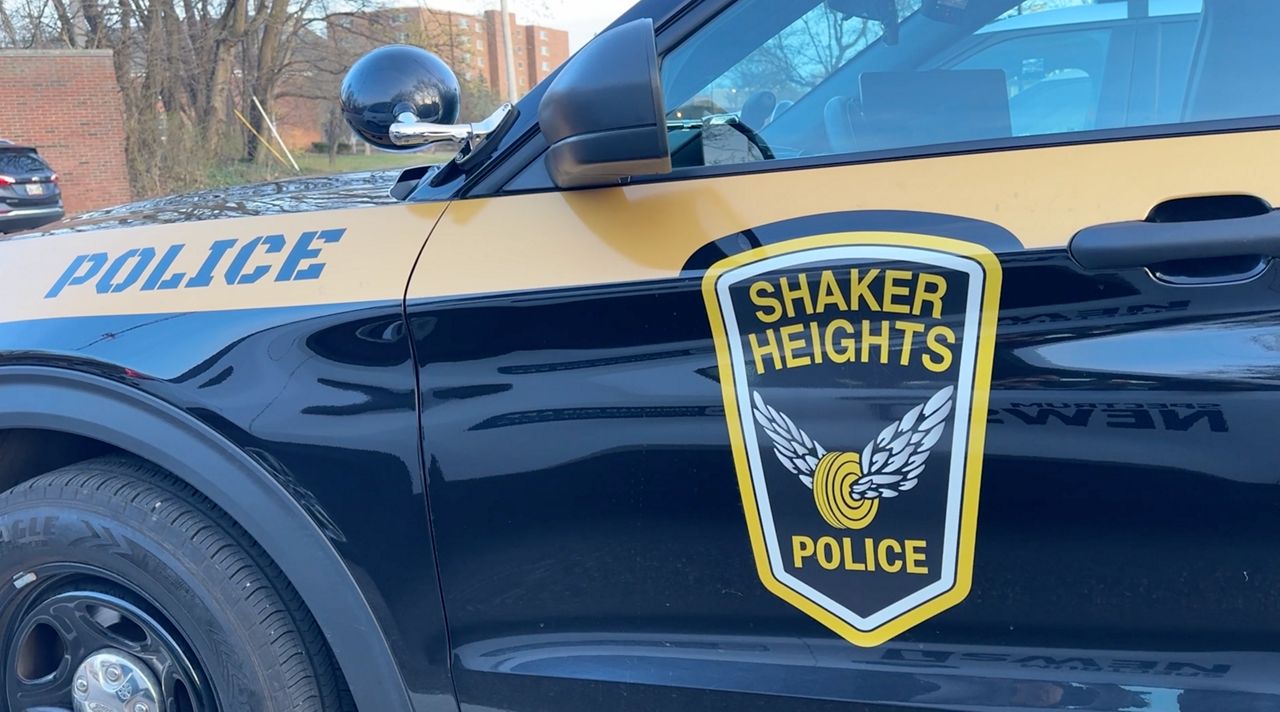
Shaker Heights, Ohio — Police departments across Ohio rely on Flock Safety cameras, automated license plate readers designed to track vehicle movements and assist in crime prevention. However, growing concerns over data access and privacy have sparked controversy, leading some cities to reevaluate their use of the technology.
In Shaker Heights, a northeast Ohio city, local activists and community members are pushing for the removal of Flock cameras after revelations that the city’s collected data was accessed nearly 700,000 times by external agencies in just four months. Of those searches, only about 1,000 were conducted by the Shaker Heights Police Department, raising questions about how the information is being used.
Lisa Vahey, a representative of the advocacy group Shake Off Flock, has been vocal in her opposition to the cameras. “There’s no need for Shaker Heights to partner with a company whose data practices are untrustworthy,” Vahey said. “There are front door, side door, and backdoor entries to that data.”
The group’s concerns intensified after a Freedom of Information Act request uncovered that nearly 300 searches specifically referenced immigration enforcement, with dozens mentioning Immigration and Customs Enforcement (ICE). This discovery has fueled fears that the technology could be misused to target immigrant communities.
In response, the Shaker Heights Police Department issued a statement emphasizing its commitment to protecting community privacy. “These searches are not consistent with Shaker Heights’ policies and procedures,” the department said. “We do not proactively investigate immigration-related matters unless a federal court order is issued for a criminal investigation.”
To address these concerns, the department has implemented stricter controls on its Flock camera system. It has also opted into a new Flock feature that prohibits immigration-related searches and requires other jurisdictions to adhere to the same restrictions. Additionally, daily reviews of Flock searches will be conducted, and access will be suspended for any queries related to immigration.
Despite these measures, Vahey remains unconvinced. “The safety measures and guardrails the police are promising don’t comfort me,” she said. She pointed out that while immigration was explicitly mentioned in 300 searches, many more could have been conducted without clear justification. “Numerous police organizations have access to this data without disclosing their reasons,” she added.
Vahey advocates for more than just policy changes; she wants Shaker Heights to sever its contract with Flock entirely. “I want our contract ended with Flock,” she said.
The debate over Flock cameras is not unique to Shaker Heights. Other Ohio cities, including Dayton, have suspended their Flock programs amid similar concerns. Critics argue that while the technology can aid in crime prevention, its potential for misuse poses significant risks to civil liberties.
As Shaker Heights grapples with these issues, the conversation around Flock cameras highlights broader questions about balancing public safety with privacy rights in an increasingly surveilled world.
— Reported by Nexio News
