


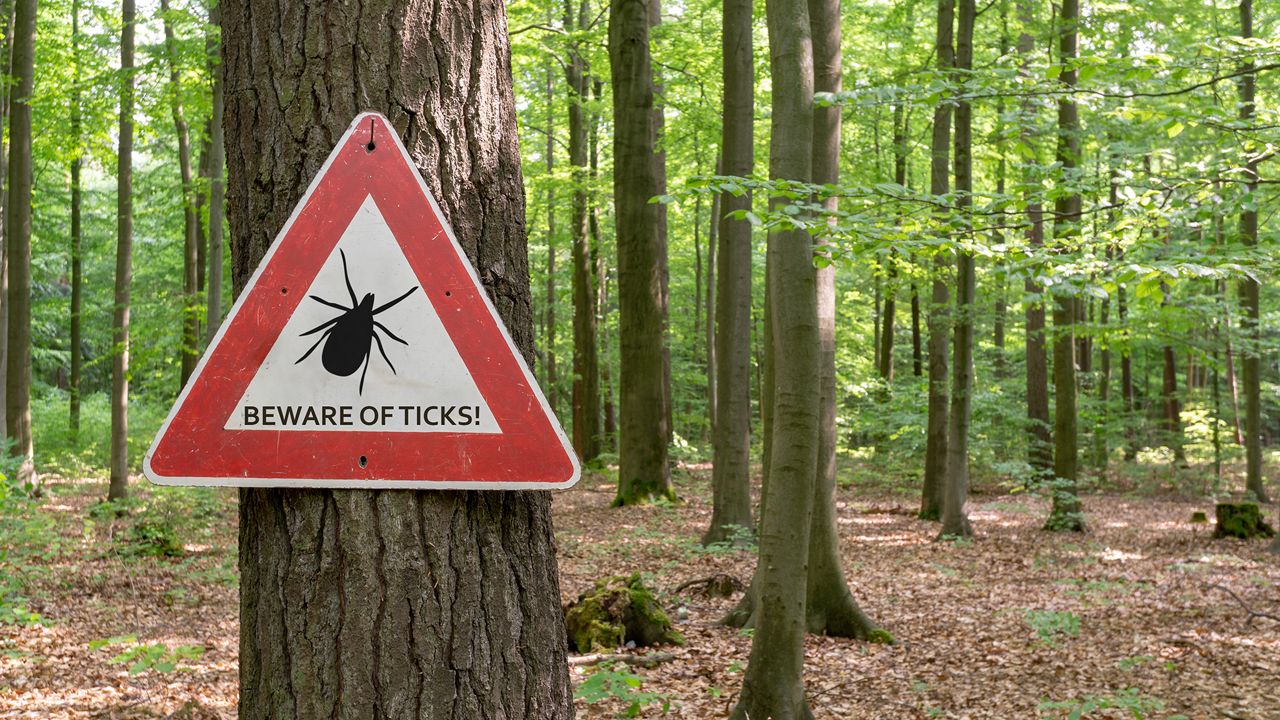

Ohio Faces Alarming Surge in Lyme Disease Cases as Tick Population Explodes
By Nexio News | May 9, 2026
Ohio’s great outdoors is facing a growing threat—ticks. What was once a minor nuisance has become a serious public health concern, with Lyme disease cases skyrocketing over the past decade. Health officials are urging residents to take precautions as warmer weather sets in, creating ideal conditions for ticks to thrive.
A Dramatic Rise in Lyme Disease
In 2010, Ohio recorded just 40 cases of Lyme disease. By 2020, that number had climbed to 415. Now, in 2025, confirmed cases have surged to more than 2,800, according to the Ohio Department of Health (ODH).
Dr. Bruce Vanderhoff, ODH Director, warns that the trend shows no signs of slowing. “Warmer weather means more outdoor activities—and more exposure to ticks,” he said. “Hikers, campers, hunters, and anyone spending time in wooded or grassy areas are especially at risk.”
Experts point to several factors behind the spike, including rising temperatures, increased humidity, and milder winters. These conditions allow ticks to survive and reproduce more successfully, expanding their reach across the state.
How to Protect Yourself
While the numbers are concerning, Lyme disease is preventable. The ODH recommends these key steps to avoid tick bites:
- Stay on Trails – Avoid tall grass, brush, and heavily wooded areas where ticks are most common. Stick to the center of paths when hiking.
- Cover Up – Wear long sleeves, pants tucked into socks, and light-colored clothing to make ticks easier to spot.
- Use Repellent – Apply EPA-approved tick repellents on skin and treat clothing with permethrin, which remains effective through multiple washes.
The Critical “Tick Check”
Dr. Richard Gary, Ohio’s State Public Health Entomologist, emphasizes the importance of thorough checks after outdoor activities. “Ticks can hitch a ride on clothing, gear, or pets,” he said. “Don’t give them a free ride home.”
Health officials advise:
- Showering within two hours of being outside.
- Inspecting the body closely, especially underarms, ears, belly button, and hair.
- Drying clothes on high heat for at least 10 minutes to kill any hidden ticks.
Pets are also vulnerable. Owners should check their dogs and cats around the ears, between toes, and near the tail.
What to Do If You Find a Tick
Finding a tick doesn’t mean panic—but quick, proper removal is crucial. Experts recommend:
- Using fine-tipped tweezers to grasp the tick as close to the skin as possible.
- Pulling straight out with steady pressure (no twisting or jerking).
- Disposing of the tick by flushing it or sealing it in a bag.
- Cleaning the bite area and hands with soap and water.
Recognizing Lyme Disease Symptoms
Early detection is key. The most telltale sign is a bullseye-shaped rash that appears one to two weeks after a bite. If untreated, Lyme disease can lead to severe complications, including:
- Joint pain and swelling
- Neurological issues like facial paralysis
- Heart palpitations
- Cognitive difficulties
“Antibiotics are highly effective if treatment begins early,” said Vanderhoff. “If you develop symptoms, contact your healthcare provider immediately.”
Staying Safe While Enjoying Nature
Despite the risks, Ohioans don’t have to avoid the outdoors—just stay vigilant. “With simple precautions, we can still enjoy Ohio’s beautiful parks and natural spaces,” Vanderhoff added.
As tick season peaks, awareness and prevention remain the best defenses against this growing health threat.
— Reported by Nexio News
