



AI Startup Basata Tackles Healthcare’s Hidden Crisis: The Referral Bottleneck
By [Your Name]
Global Business Correspondent
The Invisible Healthcare Crisis
In an era where artificial intelligence promises to revolutionize healthcare—from diagnostics to drug discovery—one of the system’s most persistent inefficiencies remains stubbornly overlooked: the administrative nightmare of specialist referrals.
Every day, millions of patients worldwide wait weeks, sometimes months, for critical specialist appointments—not because of a shortage of doctors, but because of a labyrinthine referral process bogged down by paperwork, fax machines, and overwhelmed administrative staff. Now, a Phoenix-based startup, Basata, is betting that AI can finally fix this broken system.
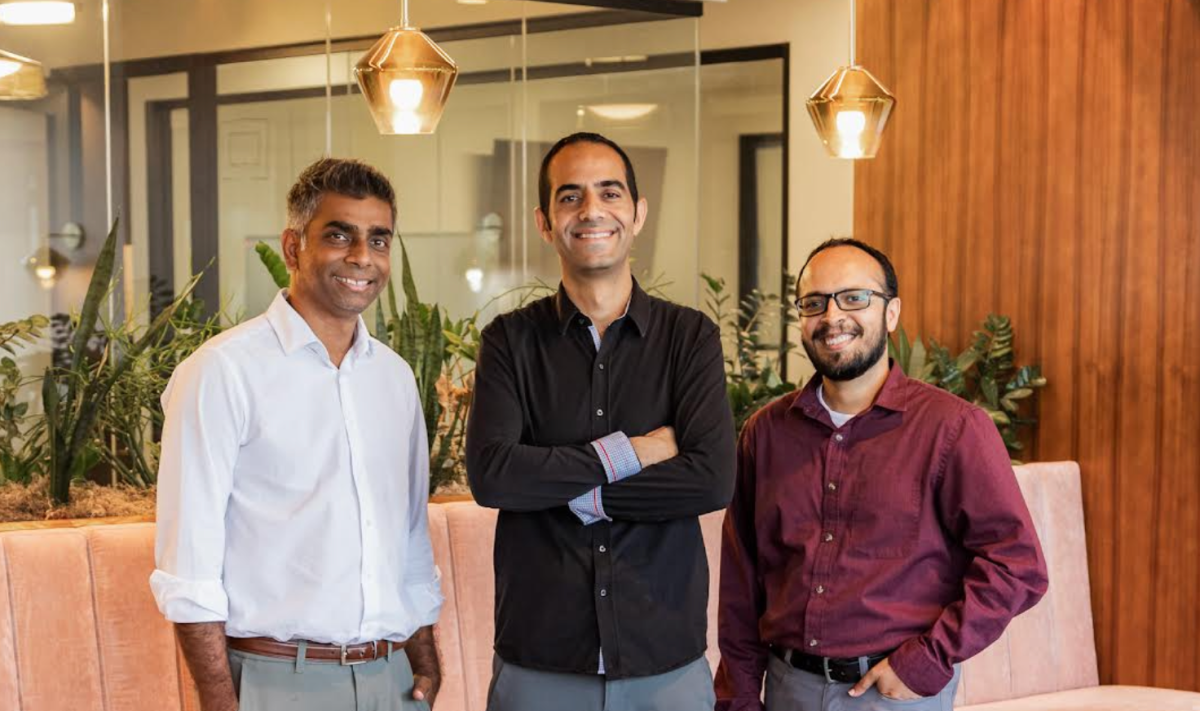
Founded by former Lyft and Cruise executive Kaled Alhanafi and Medtronic veteran Chetan Patel, Basata has secured $24.5 million in funding—including a $21 million Series A led by Basis Set Ventures—to automate the referral backlog that delays patient care. Their solution? AI-powered document processing and voice agents that handle scheduling, prescription renewals, and patient inquiries around the clock.
A Personal Pain Point
For Patel, the problem became agonizingly personal when his wife fainted mid-flight with their young children. Despite his deep expertise in cardiology and medical devices, navigating the referral system to secure her timely care was a bureaucratic nightmare. “We have the best doctors, the best medicines—but the care gap is just so wide,” he recalls.
Alhanafi faced a similar ordeal when his father, diagnosed with a serious carotid artery condition, was referred to three cardiology groups. Only one responded within weeks. Another called back after surgery was already completed. The third never replied.
These stories are not anomalies. Across the U.S. and globally, specialist practices are drowning in referral requests—many still arriving via fax—processed by small teams manually entering data into outdated systems. The result? Lost referrals, delayed care, and frustrated patients.
How Basata’s AI Closes the Gap
Basata’s approach is twofold:
- Document Intelligence: When a referral arrives (often still by fax), Basata’s AI extracts key clinical data, verifies insurance details, and logs the request in the practice’s electronic health record (EHR) system.
- AI-Powered Patient Engagement: An automated voice agent contacts the patient immediately to schedule the appointment—sometimes before they’ve even left their primary care doctor’s parking lot.
The company focuses on specialties one at a time—starting with cardiology, then urology—ensuring deep integration with the niche EHR systems each field relies on. This precision, the founders argue, sets them apart from competitors attempting broader, less tailored solutions.
So far, Basata claims to have processed referrals for 500,000 patients, with 100,000 in the last month alone. Their revenue model is usage-based: practices pay per document processed and per call handled, rather than per software license.
A Crowded—But Lucrative—Market
Basata is far from alone in tackling this problem. Competitors like Tennr, a New York-based startup valued at $605 million, specialize in document automation, while Assort Health focuses on AI-driven patient communication. Both have raised hundreds of millions in venture capital, signaling strong investor confidence in AI’s potential to streamline healthcare administration.
Yet Basata’s founders believe their end-to-end approach—combining document processing with real-time patient engagement—gives them an edge. “Doctors want to look you in the eye and know they can trust you,” says Aileen Lee of Cowboy Ventures, an investor in Basata. “This isn’t just about tech—it’s about credibility.”
The Bigger Question: Augmentation or Replacement?
As with any AI-driven automation, Basata faces an existential question: Is it enhancing administrative staff—or making them obsolete?
For now, the company frames its mission as relief, not replacement. “These workers aren’t afraid of AI,” says Alhanafi. “They’re afraid of drowning in paperwork no human team could ever keep up with.”
Early indicators suggest clinics agree. Seventy percent of Basata’s new deals come through word-of-mouth referrals—a testament to the desperation of practices buried under unmanageable workloads.
The Road Ahead
The global healthcare system is at a crossroads. AI promises efficiency, but its real test lies in whether it can alleviate—rather than exacerbate—the human frustrations at the heart of medicine.
For now, Basata’s success hinges on a simple premise: When a patient needs a specialist, waiting weeks for an appointment isn’t just inefficient—it’s dangerous. And in a world where fax machines still dictate life-or-death timelines, even incremental progress could mean the difference between timely care and tragic delay.
As healthcare’s digital transformation accelerates, one thing is clear: The future of medicine isn’t just in smarter diagnoses—it’s in fixing the mundane, maddening gaps that keep patients from being seen at all.
Reporting contributed by [Your Name]. Follow for updates on AI in healthcare.
