


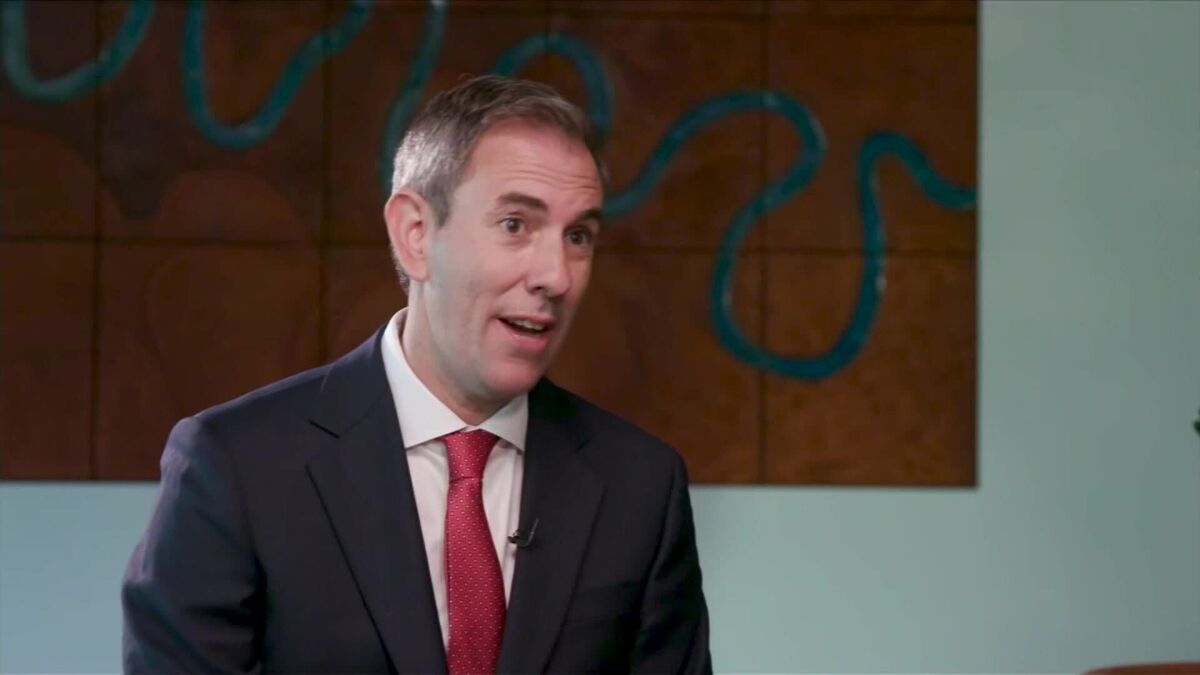

Australia Unveils Crucial Federal Budget Amid Global Economic Turbulence and Rising National Debt
CANBERRA, Australia – As the world grapples with the lingering aftershocks of the COVID-19 pandemic, geopolitical tensions, and energy market volatility, Australia’s Treasurer, Jim Chalmers, has announced the federal government’s 2026-27 Budget, set to be unveiled on May 12. Framed as one of the most consequential fiscal plans in the nation’s recent history, the Budget comes at a time when Australia faces mounting economic challenges, including soaring inflation, a slowing productivity rate, and a national debt burden approaching A$1 trillion. Against this backdrop, Chalmers’ strategy is expected to prioritize fiscal stability while addressing the escalating cost-of-living crisis that has left millions of Australians struggling to make ends meet.
The Budget announcement, delivered in Canberra, underscores the delicate balance the Labor government must strike between curbing inflation, supporting vulnerable populations, and ensuring long-term economic growth. With global energy shocks continuing to ripple through economies worldwide, Australia is particularly vulnerable due to its reliance on energy exports and its status as a net importer of refined fuels. The Treasurer’s plan is expected to focus on targeted relief measures, investment in renewable energy infrastructure, and reforms aimed at boosting productivity—an area where Australia has underperformed compared to its peers in the Organization for Economic Co-operation and Development (OECD).
A Budget Defined by Global and Domestic Pressures
The 2026-27 Budget arrives amid a period of heightened uncertainty for the global economy. Central banks in major economies, including the United States and the European Union, have spent the past two years aggressively hiking interest rates to combat inflation—a tactic that has yielded mixed results. While inflation rates have moderated from their 2022 peaks, they remain stubbornly above target levels, complicating monetary policy decisions.
For Australia, the challenges are compounded by domestic factors. The nation’s inflation rate, while lower than the global average, has yet to return to the Reserve Bank of Australia’s (RBA) target range of 2-3%. Rising housing costs, healthcare expenses, and grocery prices have placed immense pressure on household budgets, particularly for low- and middle-income families. At the same time, Australia’s productivity growth has stagnated, raising concerns about the country’s ability to sustain long-term economic prosperity.
The Budget is also expected to address the nation’s ballooning debt, which is projected to reach nearly A$1 trillion in the coming years. This figure represents a significant increase from pre-pandemic levels, driven largely by unprecedented fiscal stimulus measures during COVID-19 and ongoing structural deficits. While economists have expressed confidence in Australia’s ability to manage its debt burden, given its relatively strong credit rating and robust banking sector, they warn that sustained deficits could erode fiscal flexibility and hinder future economic resilience.
Energy Shocks and the Transition to Renewables
One of the most pressing issues facing the Australian economy is the volatility of global energy markets. The conflict in Ukraine, OPEC+ production cuts, and supply chain disruptions have all contributed to fluctuating energy prices, which have a cascading effect on inflation and consumer spending. As a major exporter of coal and liquefied natural gas (LNG), Australia has benefited from higher export revenues. However, these gains have been offset by rising domestic energy costs, which have strained businesses and households alike.
In response, the Budget is expected to include significant investments in renewable energy infrastructure as part of the government’s broader commitment to achieving net-zero emissions by 2050. This transition is not without its challenges; Australia’s economy remains heavily reliant on fossil fuels, and the shift to renewables requires substantial upfront investment and coordination between federal and state governments. Nonetheless, proponents argue that accelerating the energy transition could enhance Australia’s energy security, reduce long-term costs, and position the nation as a leader in clean energy innovation.
Addressing the Cost-of-Living Crisis
At the heart of the Budget is the urgent need to alleviate the cost-of-living crisis that has emerged as a top concern for Australians. Recent surveys reveal that a majority of Australians consider rising living expenses—particularly housing, utilities, and groceries—as their greatest financial challenge. In response, the government is expected to introduce targeted relief measures, including subsidies for energy bills, increased funding for social services, and potential tax reforms aimed at easing the burden on low-income earners.
While these measures are likely to provide some immediate relief, economists caution that they must be carefully calibrated to avoid exacerbating inflationary pressures. As RBA Governor Michele Bullock noted in a recent address, “Fiscal policy must complement monetary policy in the fight against inflation. Without this alignment, we risk undermining the progress we’ve made.”
A Path Forward Amid Uncertainty
As Treasurer Chalmers prepares to present the Budget, the stakes could hardly be higher. The global economic landscape remains fraught with uncertainty, and Australia’s ability to navigate these challenges will depend on the government’s capacity to implement effective, forward-looking policies. On the domestic front, the Budget will test the Labor government’s ability to balance competing priorities—delivering immediate relief to struggling Australians while laying the groundwork for sustainable economic growth.
The Budget’s reception will also be closely watched by international markets, given Australia’s role as a bellwether economy in the Asia-Pacific region. With geopolitical tensions and climate change posing ongoing risks, the government’s ability to chart a clear, credible fiscal path will be critical to maintaining investor confidence and economic stability.
Conclusion: A Defining Moment for Australia’s Economic Future
The 2026-27 Federal Budget represents more than just a fiscal plan—it is a defining moment for Australia’s economic future. As Treasurer Jim Chalmers takes to the podium on May 12, he will confront a nation grappling with the dual challenges of global uncertainty and domestic hardship. The success of his strategy will hinge on its ability to address immediate concerns without compromising long-term goals.
In a world where economic resilience is increasingly tested, Australia’s response to these challenges will serve as a case study for nations navigating similar pressures. As Chalmers himself remarked in a recent interview, “This Budget is about securing Australia’s future in an uncertain world.” Whether it achieves this goal remains to be seen, but one thing is certain: the eyes of the world will be watching.
