


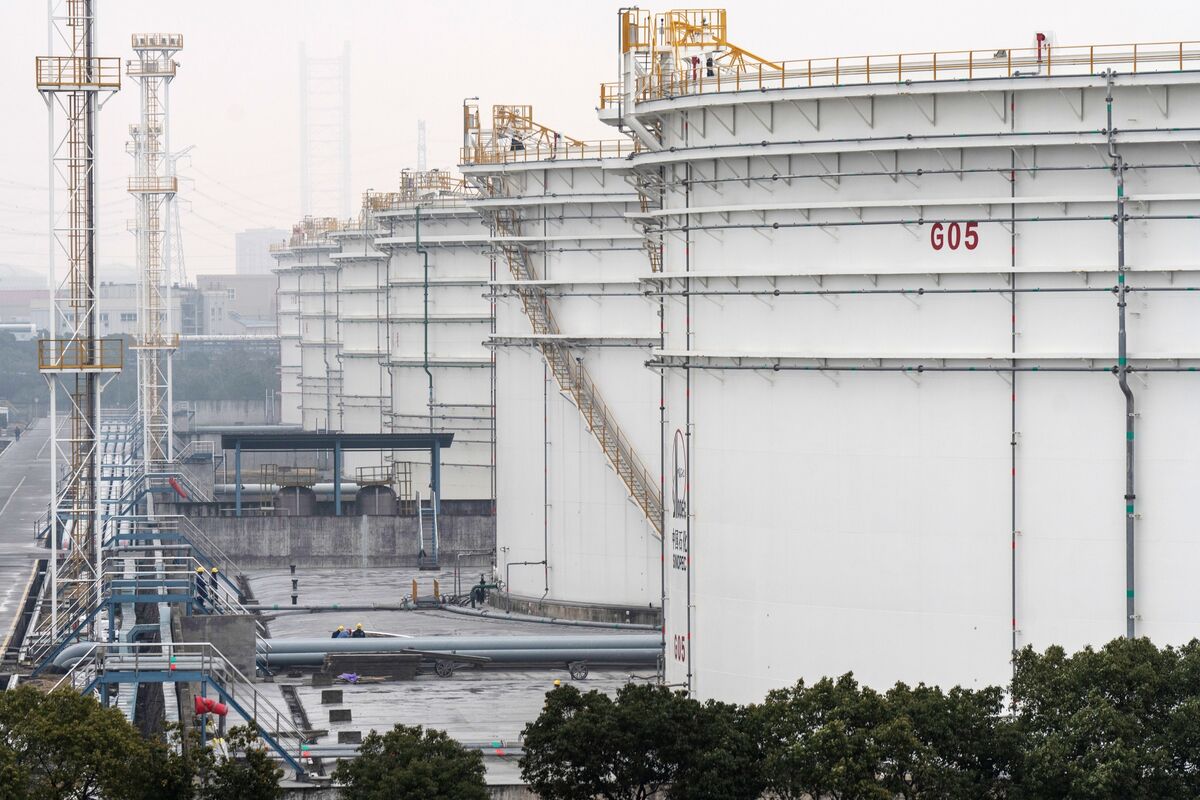

China’s Energy Imports Plummet Amid Strait of Hormuz Disruptions
Global Energy Markets Shaken as Key Shipping Lane Faces Unprecedented Disruptions
China, the world’s largest energy importer, saw a dramatic drop in crude oil and natural gas shipments in April as escalating tensions in the Middle East severely restricted maritime traffic through the Strait of Hormuz—a critical chokepoint for global energy supplies. The disruption, triggered by heightened geopolitical instability, has sent shockwaves through international markets, raising concerns over sustained price volatility and supply chain vulnerabilities.
Industry analysts report that China’s crude oil imports fell by nearly 15% month-on-month, while liquefied natural gas (LNG) shipments dropped by approximately 12%, marking one of the steepest declines in recent years. The sudden contraction underscores the fragility of global energy networks when geopolitical risks flare up in key transit zones.
Why the Strait of Hormuz Matters
The Strait of Hormuz, a narrow passage between Oman and Iran, serves as the gateway for about 21 million barrels of oil per day—roughly 21% of global petroleum consumption. It is also a crucial route for LNG exports from Qatar, the world’s second-largest LNG supplier. Any prolonged disruption in this corridor could trigger widespread economic repercussions, particularly for energy-dependent economies like China, India, and Japan.
Recent months have seen a sharp escalation in regional tensions, including Houthi attacks on commercial vessels in the Red Sea and Iran’s seizure of foreign tankers, further complicating maritime security. Insurance premiums for ships transiting the area have surged, forcing some carriers to reroute around Africa—adding weeks to delivery times and inflating costs.
China’s Energy Security at Risk
As the top global crude oil buyer, China sources nearly half of its oil imports from the Middle East, with Saudi Arabia, Iraq, and the UAE being key suppliers. The April import slump highlights Beijing’s exposure to supply shocks, despite its efforts to diversify sources through Russian and Central Asian pipelines.
“The Strait of Hormuz is the Achilles’ heel of China’s energy strategy,” said Dr. Li Wei, an energy analyst at the Beijing-based Institute of World Economics and Politics. “Even with strategic reserves and alternative routes, a prolonged blockade would force drastic adjustments in domestic fuel pricing and industrial output.”
Global Market Reactions
The disruption has already sent Brent crude prices briefly above $90 per barrel, with traders bracing for further volatility. The International Energy Agency (IEA) has warned that extended supply constraints could derail fragile economic recoveries in Europe and emerging markets.
Meanwhile, European gas benchmarks have also climbed, as Qatar’s LNG shipments—critical for replacing lost Russian supplies—face delays. Asian spot LNG prices rose by 8% in late April, squeezing manufacturers in energy-intensive sectors.
Long-Term Implications
The crisis has reignited debates over energy independence and the transition to renewables. While China has aggressively expanded its solar and wind capacity, fossil fuels still dominate its energy mix. Analysts suggest Beijing may accelerate investments in Arctic shipping routes and African oil projects to mitigate future risks.
However, short-term solutions remain limited. “Diversification takes years, but supply shocks can happen overnight,” noted Emma Richards, a senior energy analyst at Fitch Solutions. “For now, the world remains dangerously reliant on a handful of maritime checkpoints.”
Conclusion: A Fragile Balance
As geopolitical tensions show no signs of abating, the April import slump serves as a stark reminder of how quickly global energy flows can be disrupted. For China and other major economies, the challenge lies in balancing immediate supply needs with long-term strategic shifts—a task growing more urgent by the day.
The world watches nervously, knowing that the next flare-up in the Strait of Hormuz could send energy markets into another tailspin.
