


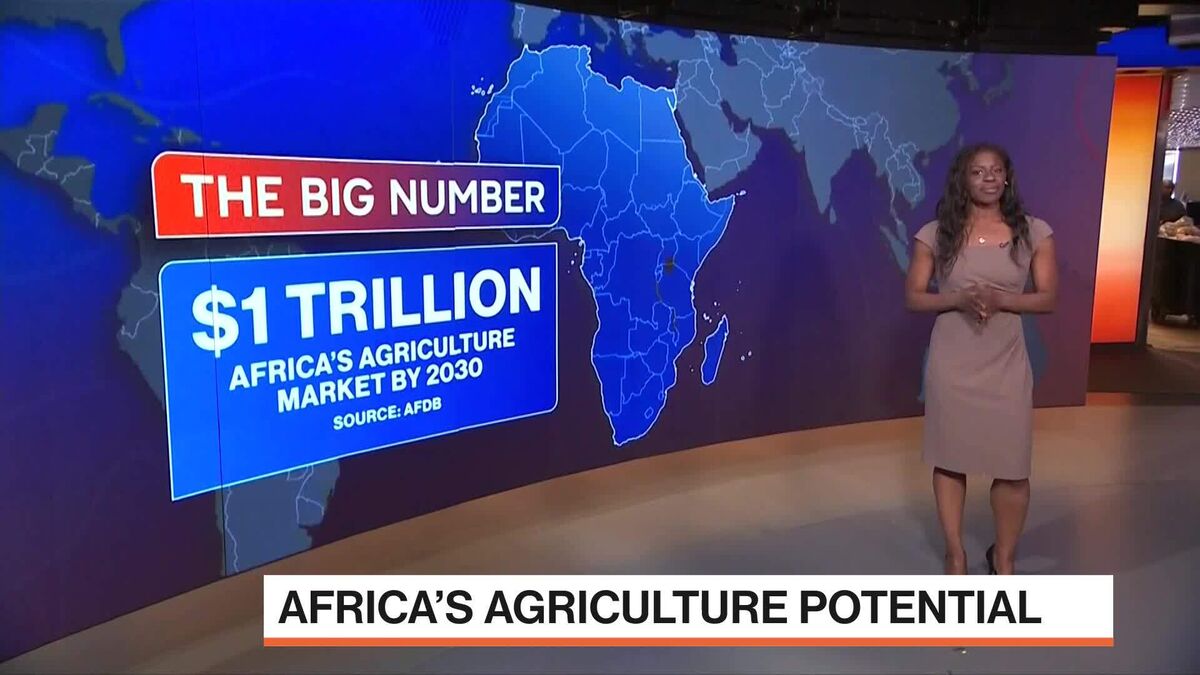

Africa’s Farmland: A $1 Trillion Opportunity Under Threat from Global Shocks
In a world grappling with climate change, geopolitical tensions, and economic instability, Africa’s agricultural sector stands at a crossroads. With an estimated $1 trillion in untapped farmland value, the continent has long been hailed as the next frontier for global food security and economic growth. Yet, recent global shocks—ranging from fertilizer shortages to supply chain disruptions—are threatening to derail this potential, placing immense pressure on Africa’s ability to feed its rapidly growing population and contribute to the global food supply.
The stakes could not be higher. According to a recent Bloomberg analysis, Africa’s vast agricultural resources, if optimized, could transform the continent into a global food powerhouse. However, the convergence of rising costs, logistical bottlenecks, and geopolitical instability is exposing systemic vulnerabilities in Africa’s farming sector. These challenges come at a time when the continent’s population is projected to double by 2050, adding urgency to the need for sustainable agricultural development.
The Untapped Potential of African Farmland
Africa is home to 60% of the world’s uncultivated arable land, a staggering resource that has yet to be fully harnessed. With fertile soils, favorable climates, and abundant water resources in many regions, the continent has the potential to not only achieve self-sufficiency in food production but also become a major exporter of agricultural goods. Experts estimate that Africa’s farmland could generate $1 trillion in economic value, creating millions of jobs and lifting rural communities out of poverty.
However, unlocking this potential requires significant investment in infrastructure, technology, and capacity-building. Smallholder farmers, who account for more than 60% of Africa’s agricultural output, often lack access to modern farming techniques, quality seeds, and reliable markets. Additionally, post-harvest losses due to inadequate storage and transportation infrastructure remain a persistent challenge, costing the continent billions of dollars annually.
Global Shocks Amplify Existing Challenges
The COVID-19 pandemic, the war in Ukraine, and climate-induced disasters have created a perfect storm for Africa’s agricultural sector. One of the most pressing issues is the shortage and skyrocketing cost of fertilizers, a critical input for crop production. Russia and Belarus, two of the world’s largest fertilizer exporters, have seen their output disrupted by sanctions and supply chain issues stemming from the Ukraine conflict. This has led to a 300% increase in fertilizer prices in some African countries, putting them out of reach for many farmers.
Rising energy costs have further exacerbated the situation. Fuel is essential for running tractors, irrigation systems, and transportation networks, but soaring prices have made agricultural operations prohibitively expensive. Additionally, supply chain disruptions caused by global lockdowns and geopolitical tensions have delayed the delivery of essential inputs, leaving farmers ill-equipped to maximize their yields.
Climate change adds another layer of complexity. Prolonged droughts, erratic rainfall patterns, and locust infestations have devastated crops across the continent, particularly in East Africa. The Horn of Africa, for instance, is experiencing its worst drought in four decades, pushing millions to the brink of famine. These climate-related challenges are expected to intensify in the coming years, further threatening food security.
The Domino Effect on Food Security
The ripple effects of these challenges are already being felt. According to the United Nations, over 280 million people in Africa are currently food insecure, a number that has surged in recent years due to compounding crises. Rising food prices have exacerbated poverty and inequality, leading to social unrest in several countries. In Ghana, for example, food inflation reached 40% in 2023, triggering widespread protests.
The reliance on food imports has also left Africa vulnerable to global market fluctuations. The continent imports nearly $50 billion worth of food annually, including staples like rice, wheat, and vegetable oils. The Ukraine war, which disrupted grain exports from one of the world’s largest breadbaskets, has underscored Africa’s dependence on external food sources. This over-reliance on imports not only drains foreign reserves but also undermines efforts to build resilient local food systems.
Pathways to Resilience
Despite these challenges, opportunities for transformation abound. Governments, private investors, and international organizations are increasingly recognizing the need to invest in Africa’s agricultural sector. Initiatives like the African Union’s Comprehensive Africa Agriculture Development Programme (CAADP) aim to boost productivity, improve infrastructure, and enhance access to markets.
Technological innovation is also playing a pivotal role. Digital platforms that provide farmers with weather forecasts, market prices, and financing options are empowering smallholders to make informed decisions. In Kenya, for instance, mobile payment systems like M-Pesa have enabled farmers to access credit and insurance services, reducing their vulnerability to shocks.
Public-private partnerships are another promising avenue. Companies like AGCO and Yara International are collaborating with African governments to establish fertilizer blending plants and training centers, helping farmers improve yields and reduce costs. Similarly, renewable energy solutions such as solar-powered irrigation systems are offering sustainable alternatives to traditional farming practices.
The Road Ahead
The potential of Africa’s farmland remains immense, but realizing it will require concerted efforts to address systemic challenges. Policymakers must prioritize agricultural development, allocating resources to build resilient food systems and reduce dependence on imports. International partners, meanwhile, must provide financial and technical support to help Africa navigate global shocks and adapt to climate change.
As the world grapples with a looming food crisis, Africa’s agricultural sector offers a glimmer of hope. By harnessing its vast resources and embracing innovation, the continent can not only secure its own future but also play a pivotal role in feeding the world. The journey will be fraught with challenges, but the rewards—economic growth, food security, and sustainable development—are well worth the effort.
In the words of agricultural expert Dr. Agnes Kalibata, “Africa’s agricultural transformation is not just an African issue; it’s a global imperative. The time to act is now.” As the continent stands on the brink of a new era, the world watches with bated breath, hopeful for a future where Africa’s farmland fulfills its trillion-dollar promise.
