



Deadly Hantavirus Outbreak Prompts Cruise Ship Evacuation in Spain’s Canary Islands
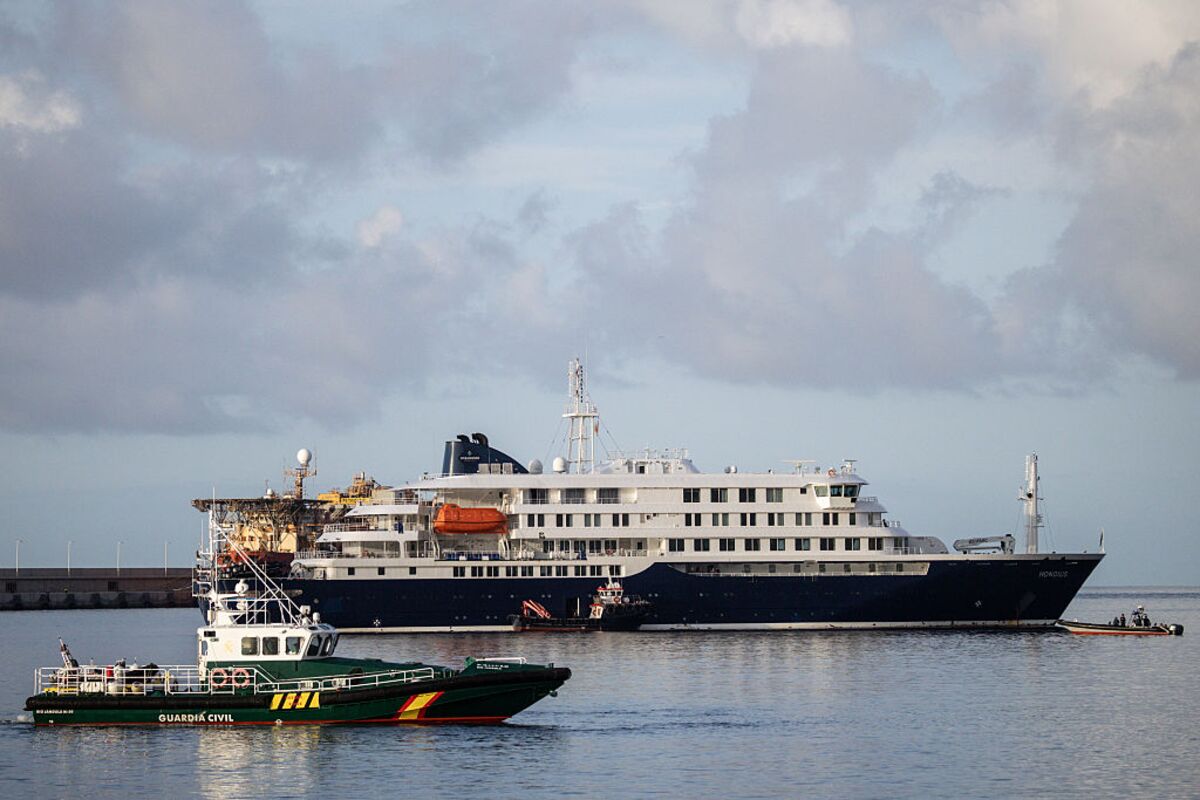
Tenerife, Spain – In a dramatic and unsettling turn of events, a cruise ship at the heart of a deadly hantavirus outbreak has begun evacuating passengers in Spain’s Canary Islands, nearly a month after the infectious disease first emerged onboard. The vessel, which had been carrying hundreds of passengers and crew, has become the focal point of an international public health crisis, raising questions about the handling of onboard outbreaks and the risks posed by contagious diseases in confined environments.
The evacuation process, initiated on Tuesday, has been coordinated with Spanish health authorities and international agencies to ensure the safe disembarkation and isolation of passengers. The outbreak, which has already claimed several lives, has cast a shadow over the cruise industry, still recovering from the devastating impacts of the COVID-19 pandemic. As the ship remains docked in Tenerife, the largest of the Canary Islands, global health experts are closely monitoring the situation, wary of the potential for wider spread.
Hantavirus: A Rare but Deadly Threat
Hantavirus, a zoonotic disease primarily transmitted to humans through contact with rodent excrement, saliva, or urine, is rare but carries a high mortality rate. Unlike COVID-19, which spreads rapidly through airborne transmission, hantavirus requires direct or indirect exposure to contaminated materials. Symptoms range from flu-like conditions in milder cases to severe respiratory distress or kidney failure in more acute forms, known as hantavirus pulmonary syndrome (HPS).
The disease is not typically transmitted between humans, which has raised questions about how the outbreak spread so extensively aboard the cruise ship. Experts speculate that contaminated food, water, or surfaces may have played a role, though investigations are ongoing. The incident underscores the challenges of managing infectious diseases in environments where thousands of people live in close quarters for extended periods.
The Timeline of the Outbreak
The outbreak was first detected in late August when several passengers began exhibiting symptoms consistent with hantavirus infection. The ship’s medical staff initially attributed the illnesses to common gastrointestinal or respiratory infections, but as the number of cases increased and some passengers’ conditions worsened, alarm bells were raised. By early September, local health authorities in the Canary Islands were notified, and a full-scale investigation was launched.
Spanish health officials confirmed the presence of hantavirus onboard in mid-September, prompting the ship to divert to Tenerife for quarantine and medical intervention. Since then, the vessel has been under strict isolation, with passengers and crew confined to their cabins while medical teams worked to treat the infected and prevent further spread. The evacuation, which began this week, marks the first step in a carefully orchestrated plan to bring the situation under control.
The Evacuation Process: A Delicate Operation
The evacuation process has been described as a logistical challenge, requiring meticulous planning to minimize the risk of spreading the virus to the local population or other regions. Passengers are being screened for symptoms before being allowed to disembark, and those who test positive or show signs of illness are being transferred to specialized medical facilities for isolation and treatment. Healthy passengers are being relocated to designated quarantine hotels under the supervision of health authorities.
Spanish officials have emphasized that the operation is being carried out with the utmost caution. “We are working closely with international partners to ensure that this situation is managed safely and effectively,” said María José Sierra, a spokesperson for Spain’s Ministry of Health. “Our priority is to protect both the passengers and the local community.”
International Response and Cruise Industry Concerns
The outbreak has drawn widespread attention, with global health organizations, including the World Health Organization (WHO) and the Centers for Disease Control and Prevention (CDC), offering support and expertise. The WHO has issued guidance for other cruise operators, urging heightened vigilance and improved sanitation protocols to prevent similar incidents.
For the cruise industry, which has been striving to rebuild consumer confidence after the pandemic, the hantavirus outbreak is a significant setback. The sector has faced criticism in recent years for its handling of onboard health crises, including the high-profile COVID-19 outbreaks that left ships stranded at sea. Industry leaders have pledged to review and strengthen their health and safety measures, but the latest incident highlights the ongoing challenges of safeguarding passengers in such environments.
Broader Implications for Public Health
The hantavirus outbreak aboard the cruise ship serves as a stark reminder of the persistent threat posed by infectious diseases, even in an era marked by heightened awareness and preparedness. While rare, zoonotic diseases like hantavirus can have devastating consequences when they emerge in densely populated or confined settings. The incident also underscores the importance of early detection, swift response, and international cooperation in managing public health crises.
Dr. Richard Hatchett, CEO of the Coalition for Epidemic Preparedness Innovations (CEPI), noted that the outbreak highlights the need for sustained investment in global health infrastructure. “We cannot afford to be complacent,” he said. “Outbreaks like this demonstrate that infectious diseases remain a significant threat, and we must remain vigilant.”
The Human Cost
Behind the headlines and the logistical challenges lies a deeply human story. Passengers aboard the ship have endured weeks of uncertainty, fear, and isolation, their vacations transformed into a life-altering ordeal. Families have been separated, and some have lost loved ones to the disease. For many, the emotional scars will linger long after they leave the ship.
“We just want to go home,” said one passenger, speaking on condition of anonymity. “It’s been a nightmare, and we’re grateful for the efforts of the medical teams, but this is something no one should ever have to experience.”
Looking Ahead
As the evacuation continues, health officials are working to trace the source of the outbreak and implement measures to prevent a recurrence. The incident has sparked calls for stricter regulations and oversight of the cruise industry, particularly regarding disease prevention and response protocols. Meanwhile, passengers and crew affected by the outbreak face a long road to recovery, both physically and emotionally.
While the hantavirus outbreak is a sobering reminder of the challenges posed by infectious diseases, it also highlights the resilience and cooperation of global health systems. As the world continues to grapple with emerging health threats, incidents like this serve as a call to action for greater preparedness and vigilance. In the words of one health expert, “The lessons we learn today will shape our ability to respond to the crises of tomorrow.”
Only time will tell how the cruise industry and global health authorities adapt in the wake of this unprecedented event. For now, the focus remains on containing the outbreak and supporting those affected, ensuring that such a tragedy does not happen again.
