



Formula 1’s Paddock Becomes the New Power Hub for Tech Deals and Venture Capital
The High-Speed Intersection of Business and Racing
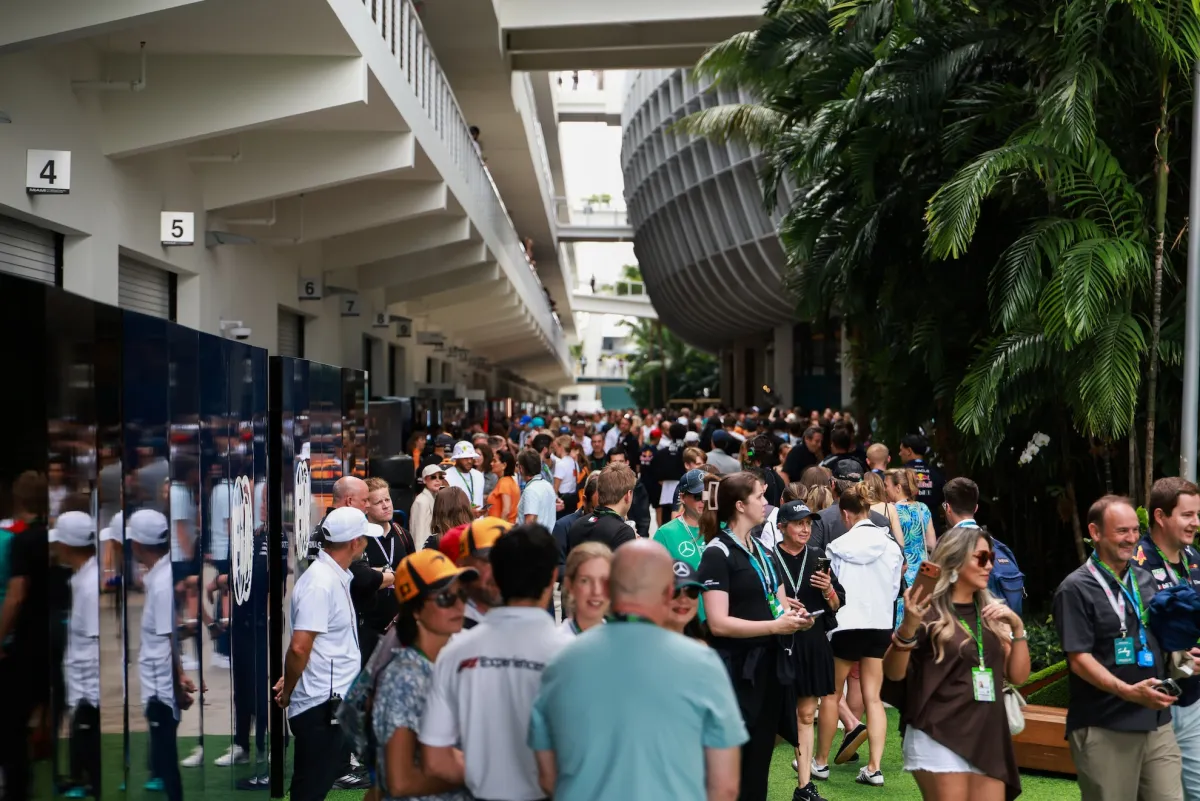
MIAMI, FLORIDA – Beneath the scorching Florida sun, the roar of Formula 1 engines was nearly drowned out by something else: the hum of dealmaking. Inside the exclusive paddock, where VIPs sip champagne while mechanics fine-tune million-dollar machines, a different kind of race was unfolding—one where venture capitalists, startup founders, and tech executives jockeyed for partnerships rather than podium finishes.
Once dominated by sponsors from oil, tobacco, and finance, F1 has undergone a seismic shift. Today, the cars are emblazoned with logos from Silicon Valley’s elite—Oracle, Microsoft, Palantir, Anthropic, and CoreWeave among them. The paddock, long a playground for the ultra-wealthy, has evolved into a high-stakes networking arena where enterprise deals are struck, investments are brokered, and the next wave of tech innovation is being shaped.
From Pit Stops to Power Moves: How F1 Became a Tech Hotspot
The transformation didn’t happen overnight. Five years ago, Netflix’s Drive to Survive ignited global interest in F1, pulling in a younger, tech-savvy audience. But the real turning point came when major tech firms began pouring money into the sport. Oracle became Red Bull Racing’s title sponsor. Microsoft inked a multi-year deal with Mercedes-AMG PETRONAS. AI firms like Anthropic and CoreWeave partnered with Williams Racing and Aston Martin, respectively.
“The sponsors came first, and the executives followed,” said Hannan Happi, founder of climate tech startup Exowatt. “Now, F1 isn’t just a race—it’s a business summit on wheels.”
The paddock, once reserved for racing insiders and corporate sponsors, is now packed with venture capitalists scouting deals and founders pitching their next big idea. Chandler Malone, a startup founder, admitted he didn’t even watch the Miami Grand Prix—he was too busy attending side events hosted by venture firms.
“You name the fund, they had an event,” said Marell Evans, an investor. “People skipped Milken [Conference] for F1 Miami.”
The New Deal Flow: Where Enterprise Buyers and Founders Collide
For venture firms, the appeal is clear: F1 attracts a rare concentration of enterprise buyers—CIOs, CISOs, and Fortune 500 executives—all in one place. Lightspeed Ventures, one of the first to formalize a structured F1 networking program, brought 10 portfolio companies to Miami, resulting in multiple handshake deals.
Josh Machiz, Lightspeed’s CMO, saw an opportunity to replace the traditional “founder retreat” with something more dynamic. “Founders kept telling me, ‘Help me meet more buyers,'” he said. “Another weekend in Sonoma wasn’t going to cut it. F1 is where the real action is.”
One of Lightspeed’s AI infrastructure startups closed two deals over the weekend, while a blockchain company secured a tentative agreement—all facilitated through introductions made in the paddock. Farooq Malik, founder of Lightspeed-backed Rain, described the experience as “organic dealmaking at its best.”
The Luxury Filter: Why F1 Attracts the Right Crowd
Immpana Srri, an investor, called F1 a “micro-conference” where access is deliberately exclusive. “The pricing acts as a filter,” she said. “If you’re inside, you’ve either got capital, deal flow, or a track record that justifies dropping six figures on a weekend.”
The confined spaces of the paddock create an intense networking environment. “Deals get showcased, names get dropped,” Srri added. “I heard pitches across defense, CPG, and AI—all in the span of a few hours.”
Even former F1 champion Nico Rosberg, now an investor, made appearances at startup headquarters during the Miami weekend, underscoring the growing ties between racing and tech.
The Future: A Global Expansion of F1’s Business Playground
Machiz plans to expand Lightspeed’s F1 program beyond Miami, targeting Las Vegas in November and Silverstone in the UK later this year. “In AI, speed is everything,” he said. “The firms that win will be the ones that get founders in front of buyers fastest.”
For now, F1’s paddock remains the ultimate convergence of speed, wealth, and innovation—a place where the next billion-dollar deal might be sealed before the checkered flag drops. As the sport continues to attract tech’s biggest players, one thing is clear: the race off the track is just as competitive as the one on it.
Whether this trend signals a lasting shift in how business gets done—or just another high-profile networking fad—remains to be seen. But for now, Formula 1 is where the money is moving at full throttle.
