



Malaysia Unveils Strategic Plan to Safeguard Oil Supply Amid Geopolitical Tensions
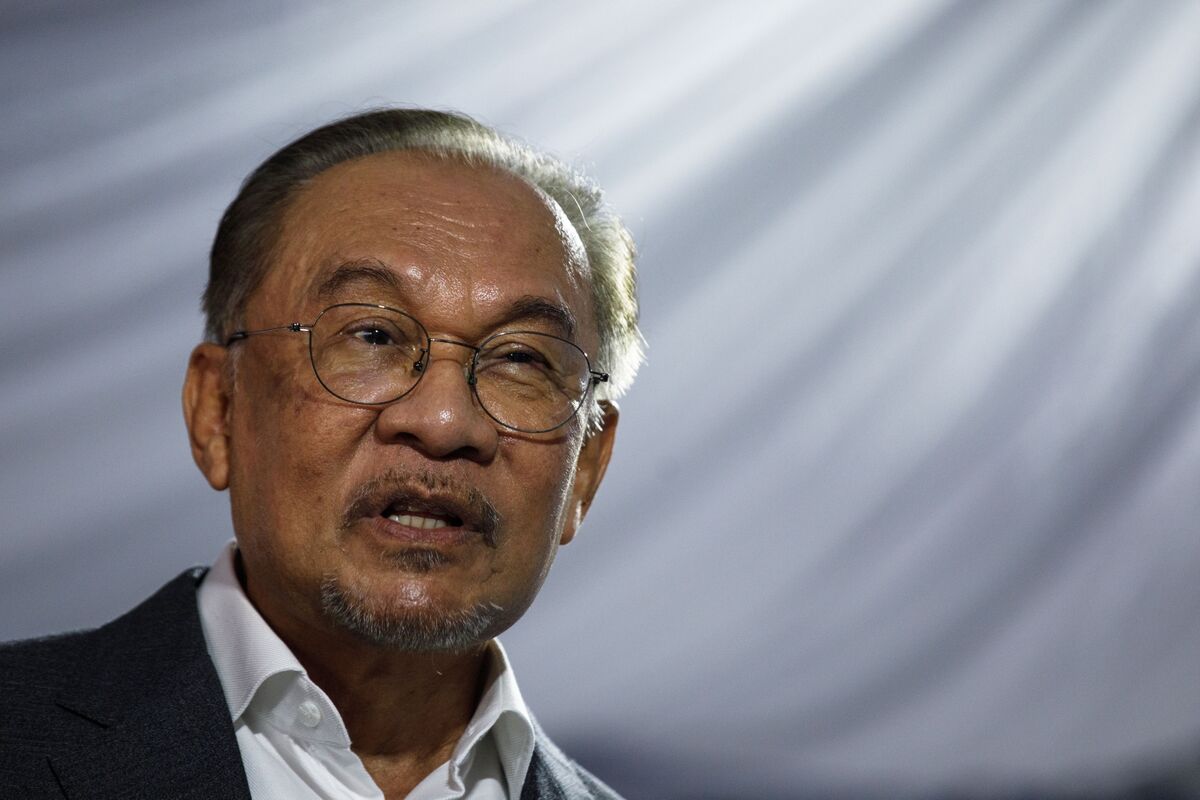
In a bid to mitigate the ripple effects of escalating geopolitical tensions in the Middle East, Malaysian Prime Minister Anwar Ibrahim is set to introduce a comprehensive strategy aimed at bolstering the nation’s oil supply. The move comes as global markets grapple with uncertainties fueled by the ongoing conflict in Iran, which has sent shockwaves through energy markets worldwide. The announcement, reported by Malaysia’s national news agency Bernama, underscores the country’s proactive stance in addressing potential disruptions to its energy security while navigating a volatile international landscape.
Malaysia, a net exporter of oil and gas, has long relied on its abundant natural resources to fuel its economy. However, the recent spike in global oil prices and supply chain vulnerabilities have prompted the government to reassess its energy policies. Prime Minister Anwar’s forthcoming plan is expected to focus on diversifying energy sources, enhancing domestic production capabilities, and exploring alternative energy solutions to reduce dependency on unstable global markets. This strategic shift is seen as a critical step in ensuring economic stability and safeguarding Malaysia’s long-term energy needs.
Geopolitical Instability and Its Impact on Global Energy Markets
The conflict in Iran, a key player in the global oil market, has intensified concerns over potential disruptions to the global supply chain. Iran, home to some of the world’s largest oil reserves, has been embroiled in geopolitical turmoil, exacerbated by international sanctions and regional tensions. These developments have heightened fears of supply shortages, driving up oil prices and creating instability in energy markets worldwide.
For Malaysia, a nation heavily reliant on oil revenues, the situation presents both challenges and opportunities. While the country benefits from higher oil prices, the volatility poses significant risks to its economic stability. The government’s decision to unveil a contingency plan reflects a broader trend among oil-producing nations to insulate themselves from external shocks and ensure uninterrupted energy supply.
A Multi-Pronged Approach to Energy Security
Details of Prime Minister Anwar’s plan remain under wraps, but experts anticipate a multi-pronged strategy that addresses both immediate and long-term energy challenges. Key measures are likely to include:
-
Boosting Domestic Production: Malaysia is expected to ramp up its oil and gas exploration efforts, leveraging advanced technologies to maximize output from existing fields. The government may also offer incentives to attract foreign investment in the energy sector, fostering partnerships with international oil companies.
-
Diversifying Energy Sources: To reduce reliance on fossil fuels, Malaysia is poised to accelerate its transition to renewable energy sources such as solar, wind, and hydropower. The country’s abundant natural resources and favorable climate conditions make it well-suited for renewable energy initiatives, which could play a pivotal role in achieving energy independence.
-
Strategic Reserves and Partnerships: The government may explore options to build strategic oil reserves, ensuring a buffer against sudden supply disruptions. Additionally, Malaysia is likely to strengthen its partnerships with other energy-producing nations, fostering collaboration to stabilize global markets.
-
Energy Efficiency Measures: Promoting energy efficiency across industries and households is expected to be a cornerstone of the plan. By reducing consumption and optimizing energy use, Malaysia aims to minimize its exposure to fluctuating oil prices and enhance sustainability.
Global Implications and Regional Leadership
Malaysia’s proactive approach to energy security comes at a time when global leaders are increasingly prioritizing resilience in the face of geopolitical uncertainties. The country’s strategic position in Southeast Asia, coupled with its status as a major oil exporter, positions it as a key player in regional energy dynamics. By taking decisive action, Malaysia could set a precedent for other nations grappling with similar challenges.
Moreover, the plan aligns with broader global efforts to combat climate change and transition to cleaner energy sources. As countries worldwide seek to reduce their carbon footprint, Malaysia’s emphasis on renewable energy reflects a commitment to sustainable development and environmental stewardship.
Economic Resilience in a Volatile World
The unveiling of Malaysia’s energy strategy is not merely a response to immediate threats but a forward-looking vision for economic resilience. By safeguarding its oil supply and investing in alternative energy solutions, Malaysia aims to fortify its economy against future disruptions. This holistic approach is expected to enhance investor confidence, stimulate economic growth, and position the country as a leader in energy innovation.
As Prime Minister Anwar prepares to roll out the plan, all eyes will be on Malaysia to see how its strategy unfolds in practice. The success of this initiative could serve as a blueprint for other nations navigating the complexities of a rapidly evolving global energy landscape.
Conclusion
In an era marked by geopolitical turbulence and environmental imperatives, Malaysia’s forthcoming energy plan represents a bold step toward securing its economic future. By addressing immediate vulnerabilities while charting a sustainable path forward, the country is poised to navigate the challenges of a volatile world with resilience and foresight. As the global community watches, Malaysia’s efforts may well inspire a broader rethinking of energy security in an interconnected and uncertain world.
This article is based on insights from Malaysia’s national news agency Bernama and expert analysis of global energy dynamics.
