


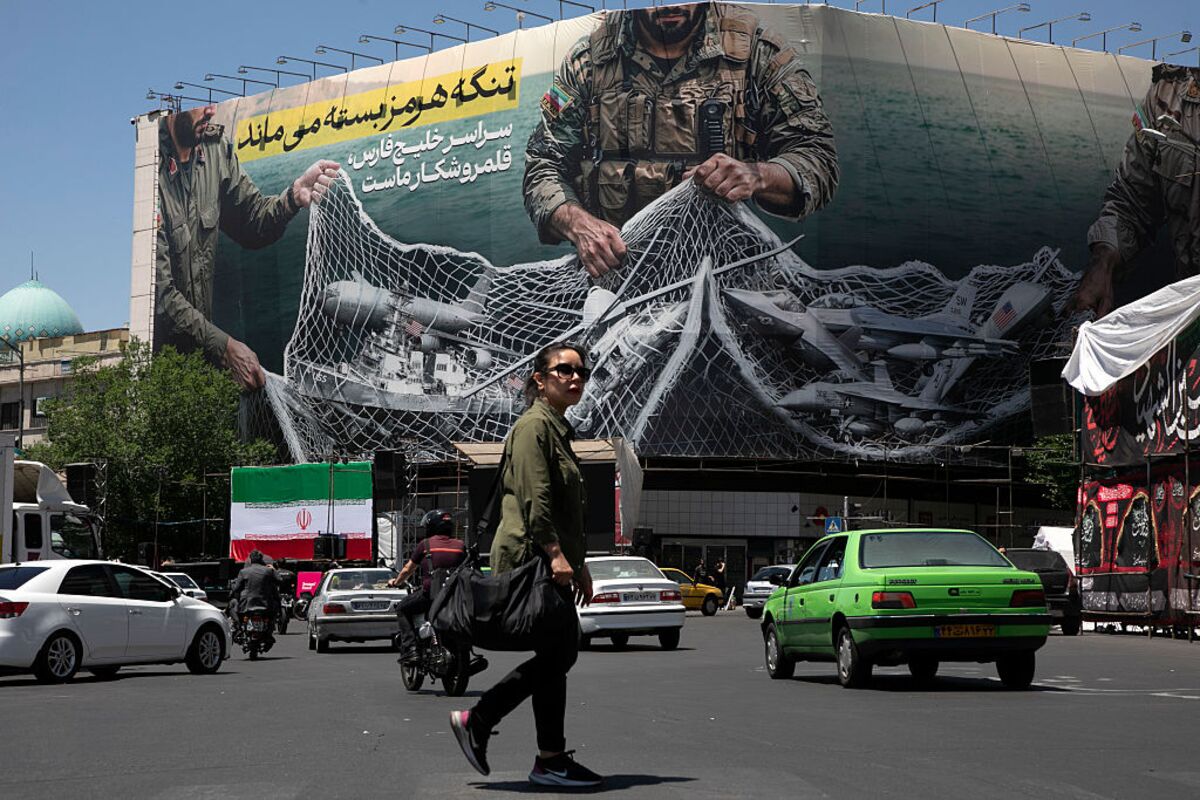

Global Tensions Mount as Iran Delays Response to U.S. Proposal Amid Oil Market Turmoil
The international community remains on edge as Iran continues to withhold its official response to a U.S.-backed proposal aimed at ending a 10-week-long conflict in the Middle East. The stalemate has sparked widespread anxiety, particularly in global energy markets, where oil prices remain volatile due to the ongoing closure of the Strait of Hormuz, a critical maritime chokepoint for the world’s oil supply. Amid the geopolitical uncertainty, the world’s largest oil company has issued a stark warning: even if the Strait were to reopen immediately, it could take months for global oil markets to stabilize, underscoring the far-reaching economic implications of the crisis.
A Decade of Tensions Reaches a Boiling Point
The current conflict traces its roots to decades of strained relations between Iran and the United States, exacerbated by disagreements over Iran’s nuclear program, regional influence, and sanctions imposed by Western powers. The recent escalation began 10 weeks ago when a series of military skirmishes and proxy wars in the Middle East spiraled into a broader confrontation, culminating in Iran’s decision to blockade the Strait of Hormuz. This strategic waterway, through which approximately 20% of the world’s oil supply passes daily, has long been a flashpoint in international relations.
The U.S. proposal, delivered through diplomatic channels last week, reportedly offers a pathway to de-escalation, including sanctions relief and security guarantees in exchange for Iran reopening the Strait and ceasing hostile activities in the region. However, Tehran has yet to formally respond, leaving diplomats and analysts speculating about its intentions. Some observers suggest Iran is leveraging the delay to strengthen its negotiating position, while others warn that internal divisions within the Iranian government may be prolonging the decision-making process.
Global Energy Markets on Edge
The prolonged closure of the Strait of Hormuz has sent shockwaves through global energy markets, driving oil prices to their highest levels in years. The disruption has hit major economies hard, particularly those heavily reliant on imports from the Middle East, such as China, India, and several European nations. In response, governments and corporations are scrambling to secure alternative energy sources, but the transition has proven challenging.
The CEO of the world’s largest oil company, speaking on condition of anonymity, painted a grim picture of the situation. “Even if the Strait were to reopen tomorrow, it would take months for the global oil market to return to equilibrium,” the executive stated. “The supply chains have been severely disrupted, and rebuilding confidence among investors and consumers will require time and concerted effort.”
The executive’s remarks underscore the fragility of global energy systems and highlight the interconnected nature of modern economies. Experts warn that continued instability in the Middle East could trigger a domino effect, impacting everything from inflation rates to industrial production worldwide.
Diplomatic Efforts Amid Mounting Pressure
As the crisis drags on, diplomatic efforts to broker a resolution have intensified. The United Nations has called for an emergency session to address the situation, while regional powers, including Saudi Arabia and Turkey, have sought to mediate between Iran and the U.S. However, progress has been slow, with both sides seemingly entrenched in their positions.
The Biden administration, under increasing domestic pressure to resolve the crisis, has emphasized its commitment to diplomacy. “We remain open to dialogue and are hopeful that Iran will engage constructively,” a senior U.S. official said. “However, we are also prepared to explore other options if necessary.”
Meanwhile, Iran has sought to rally international support, portraying its actions as a legitimate response to perceived aggression. In a recent address, Iranian Foreign Minister Hossein Amir-Abdollahian accused the U.S. of “economic warfare” and called for a “fair and balanced” solution to the crisis.
The Human Cost of Conflict
Beyond the geopolitical and economic dimensions, the conflict has exacted a heavy toll on civilians in the region. Reports of casualties, displacements, and humanitarian crises have emerged from affected areas, prompting calls for urgent action from aid organizations. The United Nations High Commissioner for Refugees (UNHCR) has warned that the situation could worsen if a resolution is not reached soon.
“We are deeply concerned about the impact of this conflict on vulnerable populations,” a UNHCR spokesperson said. “We urge all parties to prioritize the protection of civilians and ensure humanitarian access to those in need.”
A Fragile Path Forward
As the world waits for Iran’s response, the stakes could not be higher. The conflict has laid bare the complexities of Middle Eastern geopolitics and the global reverberations of regional instability. For now, the international community remains in a holding pattern, hoping for a breakthrough but bracing for further escalation.
The crisis serves as a stark reminder of the fragility of global peace and the interconnectedness of modern economies. Whether diplomacy can prevail in this high-stakes standoff remains to be seen, but one thing is clear: the consequences of failure would be felt far beyond the borders of the Middle East.
As the sun sets on another day of uncertainty, the world watches and waits, clinging to the hope that cooler heads will prevail.
