



The Quiet Revolution: How Dictation and AI Are Transforming Workplace Etiquette
In the hushed hum of modern offices, a curious shift is taking place. Gone are the clattering keyboards and the rhythmic tapping of fingers on desks. In their place, whispers fill the air—voices articulating ideas, commands, and emails into sleek devices. This is not the dystopian silence of a library but the sound of a workplace transformed by artificial intelligence (AI) and dictation technology. As tools like Wispr, AI-powered dictation apps, gain traction, they are reshaping not just how we work but how we interact with our colleagues and environments. The rise of voice-driven workflows raises pressing questions: What does this mean for productivity, privacy, and office culture? And how will workplaces adapt to this auditory evolution?
The Rise of Voice-Driven Workflows
The shift from typing to talking is not new, but advancements in AI have accelerated it. Dictation software, once clunky and unreliable, has become increasingly sophisticated, offering near-perfect accuracy and seamless integration with productivity tools. Apps like Wispr, which combine dictation with customizable “vibe coding” tools, allow users to tailor their voice inputs to specific workflows, whether drafting emails, coding, or managing calendars.
This technological leap is fueled by the broader adoption of AI across industries. According to a 2023 McKinsey report, AI adoption has doubled in the past five years, with businesses investing heavily in tools that streamline repetitive tasks. Voice technology, in particular, is emerging as a key driver of efficiency. For many professionals, speaking is faster than typing, and the ability to multitask—dictating while walking, cooking, or commuting—offers newfound flexibility.
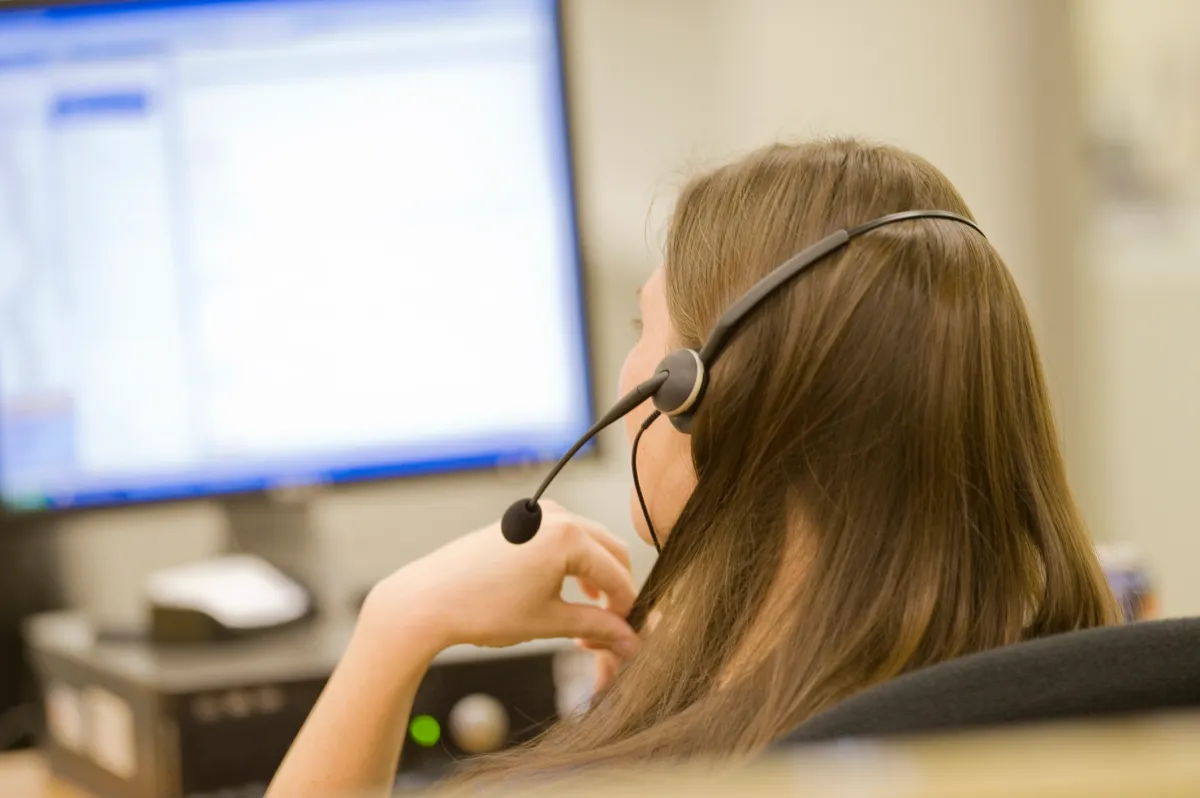
Startups and tech companies are at the forefront of this trend. Venture capitalists visiting these offices describe environments that resemble high-end call centers, with employees whispering into headsets rather than typing at desks. Edward Kim, co-founder of HR software company Gusto, predicts that offices of the future will sound “more like a sales floor,” where constant chatter is the norm.
The Social Dynamics of Whispering to Machines
For all its efficiency, the shift to voice-driven workflows is not without its challenges. Chief among them is the impact on office etiquette. Speaking aloud in shared spaces can feel invasive, especially when colleagues are accustomed to quieter environments. Edward Kim, who has largely abandoned typing in favor of dictation, admits that the practice can feel “just a little awkward.”
The discomfort extends beyond the office. Mollie Amkraut Mueller, an AI entrepreneur, recounts how her late-night work sessions with her husband became strained when she began whispering to her computer. “He found it distracting,” she explains. Now, they often work in separate rooms to maintain harmony.
These anecdotes highlight a growing tension: While voice technology enhances individual productivity, it can disrupt communal spaces. The challenge for workplaces will be balancing the benefits of dictation with the need for privacy and quiet. Some companies are already experimenting with solutions, such as designated “whisper zones” or soundproof booths for dictation-heavy tasks.
Will Whispering Become the New Normal?
Despite the social friction, advocates argue that whispering to computers will soon feel as natural as scrolling through a smartphone. Tanay Kothari, founder of Wispr, likens the transition to the normalization of mobile devices. “People used to think it was strange to spend hours staring at a phone,” he says. “Now it’s part of everyday life.”
Indeed, history suggests that technological shifts often provoke initial resistance before becoming ubiquitous. The adoption of email, instant messaging, and video conferencing all faced skepticism before becoming integral to modern work. Voice technology may follow a similar trajectory, especially as tools become more intuitive and socially acceptable.
The normalization of dictation could also reshape workplace hierarchies. Voice-driven workflows democratize access to efficiency, enabling individuals who struggle with typing—whether due to disabilities or language barriers—to perform at the same level as their peers. In this sense, the shift to voice technology aligns with broader efforts to create more inclusive workplaces.
The Broader Implications
As dictation tools proliferate, they raise broader questions about the future of work. Will voice-driven workflows lead to a decline in typing skills, much as calculators reduced the emphasis on mental math? How will workplaces manage noise pollution in environments where everyone is speaking at once? And what does this mean for industries like journalism and law, where precise language is paramount?
These questions underscore the complexity of integrating new technologies into established systems. While AI and dictation tools offer clear benefits, their long-term impact remains uncertain. Businesses must navigate this transition thoughtfully, considering not just the technological possibilities but also the human element.
The shift from typing to talking also reflects a deeper transformation in how we interact with machines. As AI becomes more conversational, the boundaries between human and machine communication blur. This evolution raises philosophical questions about the nature of work and creativity. Can a whispered idea carry the same weight as one typed out? And what does it mean to collaborate with an AI that listens and responds like a human?
Looking Ahead
The rise of voice-driven workflows is part of a broader trend toward seamless human-machine interaction. Companies like Wispr are betting that the convenience of dictation will outweigh its social quirks, ushering in a new era of productivity. Yet, as with any technological shift, the key lies in adaptation.
Workplaces will need to rethink design, policies, and cultural norms to accommodate this auditory evolution. Employees, meanwhile, will have to navigate the delicate balance between efficiency and etiquette. Ultimately, the success of voice-driven workflows will depend not just on technological advancements but on our ability to integrate them into the fabric of daily life.
As the office whispers grow louder, one thing is clear: The future of work will be heard, not just seen. Whether that future is harmonious or cacophonous remains to be decided.
