



Europe’s Defense Coordination Gains Momentum Amid Evolving Global Threats
In a world increasingly defined by geopolitical instability and rapid advancements in military technology, Europe finds itself at a crossroads. The resurgence of the CV90 armored vehicle—a symbol of European defense innovation—underscores a growing effort to improve coordination among European nations. Yet, as the continent strives to bolster its collective security, the rapidly changing nature of warfare raises profound questions about Europe’s preparedness for future conflicts.
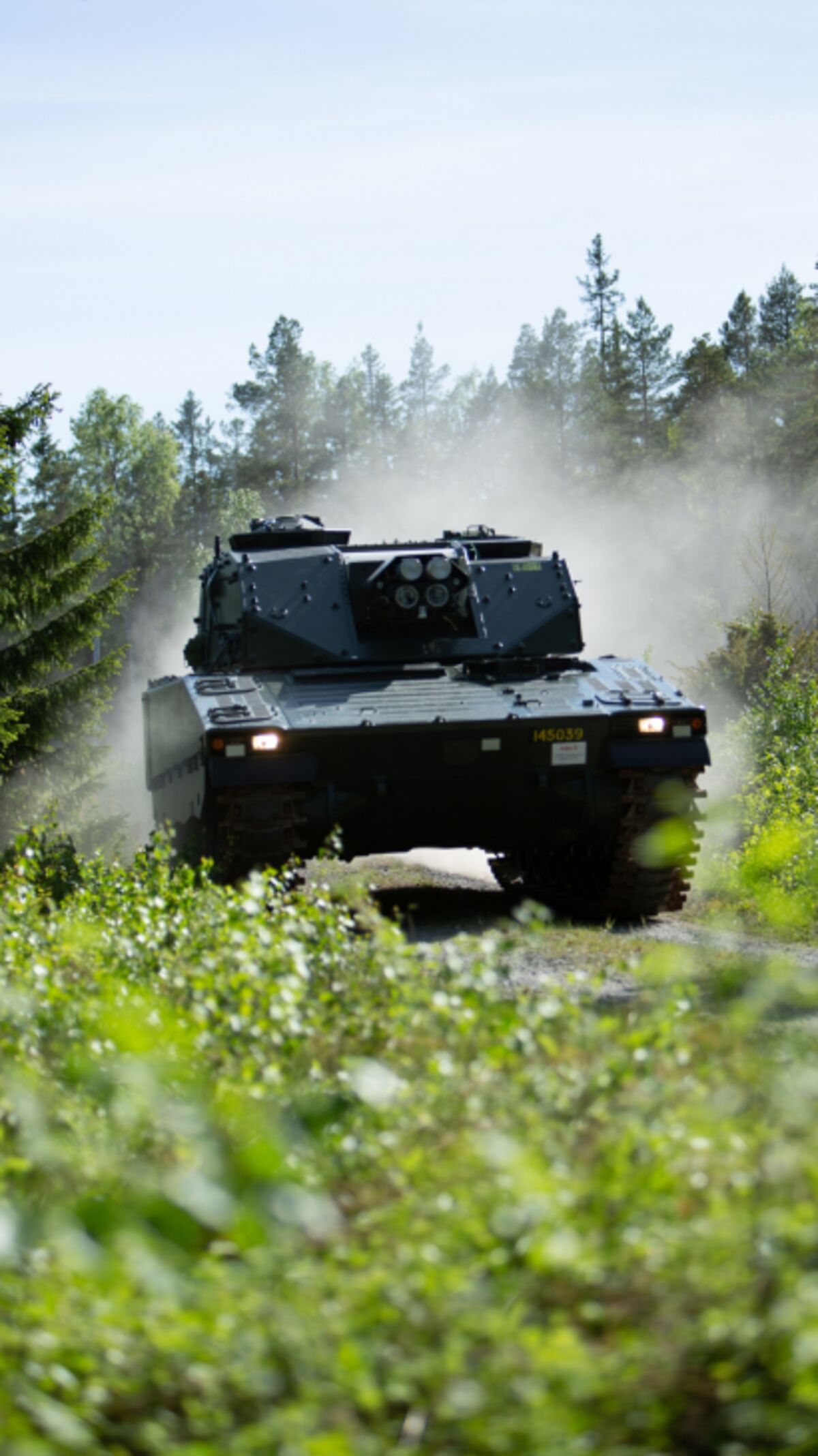
The CV90, a Swedish-designed combat vehicle renowned for its versatility and adaptability, has reemerged as a focal point in Europe’s defense strategy. Initially developed in the 1980s, the CV90 has undergone continuous upgrades to meet modern battlefield demands. Its recent deployment across multiple European armies—notably in light of Russia’s invasion of Ukraine—highlights a renewed commitment to shared defense capabilities. This collaborative approach marks a significant shift from the fragmented and often underfunded defense policies that have long plagued the continent.
However, the CV90’s resurgence is just one piece of a much larger puzzle. Europe’s defense landscape is undergoing a transformation driven by urgent geopolitical realities. The war in Ukraine, now in its second year, has exposed critical vulnerabilities in Europe’s military infrastructure. From ammunition shortages to inadequate air defense systems, the conflict has forced European leaders to confront the harsh realities of modern warfare.
The European Union and NATO have responded with unprecedented initiatives to strengthen collective defense. The EU’s Permanent Structured Cooperation (PESCO) program, launched in 2017, aims to deepen military integration among member states. Meanwhile, NATO has expanded its presence in Eastern Europe, deploying multinational battlegroups to deter further Russian aggression. These efforts, while commendable, remain a work in progress.
Experts caution that Europe’s defense coordination faces significant challenges. Historically, national interests have often hindered collaborative efforts. Countries like France and Germany have frequently disagreed on defense priorities, while smaller nations have struggled to contribute meaningfully to shared initiatives. Additionally, Europe’s reliance on U.S. military support has led to complacency, with many nations failing to meet NATO’s defense spending target of 2% of GDP.
The evolving nature of warfare further complicates matters. Modern conflicts are increasingly characterized by cyberattacks, unmanned drones, and advanced electronic warfare—areas where Europe lags behind major powers like the U.S., China, and Russia. The CV90, while effective in traditional combat scenarios, may not be equipped to address these emerging threats.
“Europe is playing catch-up in a race where the finish line keeps moving,” says Marc Champion, a Bloomberg Opinion columnist and defense analyst. “The CV90 is a testament to Europe’s ingenuity, but it also highlights the need for a more comprehensive and forward-looking defense strategy.”
The war in Ukraine has underscored the importance of adaptability in modern military operations. Ukrainian forces have effectively leveraged Western-supplied weapons—ranging from Javelin anti-tank missiles to HIMARS rocket systems—to counter Russia’s superior firepower. This success has prompted European leaders to rethink their defense procurement policies, emphasizing interoperability and innovation.
Germany’s recent decision to procure the CV90 as part of a multi-billion-euro modernization program reflects this broader trend. The move signals a departure from the country’s traditionally cautious defense posture, shaped by the legacy of World War II. Other European nations, including Finland and Norway, have also invested in the CV90, recognizing its potential to enhance their combat readiness.
Yet, the path to a unified European defense strategy is fraught with obstacles. Funding remains a persistent issue, with many governments grappling with competing budgetary priorities. The COVID-19 pandemic and subsequent economic slowdown have further strained public finances, making it difficult to allocate resources to defense.
Moreover, the U.S.’s shifting focus toward the Indo-Pacific region has raised concerns about the future of transatlantic security. While the Biden administration has reaffirmed its commitment to NATO, European leaders acknowledge the need to assume greater responsibility for their own defense.
“The reality is that Europe can no longer afford to rely solely on the U.S.,” says Sophia Becker, a senior fellow at the European Council on Foreign Relations. “The war in Ukraine has been a wake-up call, but turning rhetoric into action requires sustained political will and investment.”
In response, the EU has launched the European Defense Fund (EDF), a €7 billion initiative to finance joint defense projects. The fund aims to foster innovation and reduce duplication, enabling European militaries to pool resources and expertise. While the EDF represents a step in the right direction, its effectiveness will depend on the ability of member states to overcome longstanding rivalries and bureaucratic hurdles.
The CV90’s resurgence also reflects a broader trend toward modular and scalable defense systems. Designed to accommodate a wide range of configurations, the vehicle exemplifies the adaptability required in an era of rapid technological change. Its success has inspired similar projects, such as the Franco-German Main Ground Combat System (MGCS), which seeks to develop a next-generation tank capable of integrating advanced AI and cyber capabilities.
Critics, however, argue that Europe’s focus on traditional platforms like the CV90 may divert attention from more pressing priorities. “We need to invest in capabilities that address the full spectrum of modern threats,” says Jan Techau, director of the German Marshall Fund’s Brussels office. “This includes everything from cyber defense to space-based surveillance.”
As Europe navigates these challenges, the CV90 serves as both a symbol of progress and a reminder of the work that remains. The war in Ukraine has galvanized European leaders, fostering a sense of urgency and collaboration that was absent just a few years ago. Yet, the continent’s ability to translate this momentum into a cohesive and effective defense strategy will ultimately determine its place in an increasingly volatile world.
In the words of Marc Champion, “The CV90 is a step forward, but it’s only the beginning. Europe’s journey toward a truly integrated defense policy is far from over.”
As the global security landscape continues to evolve, Europe’s success will hinge on its ability to balance innovation, coordination, and adaptability—a task that promises to shape the future of international relations for decades to come.
