


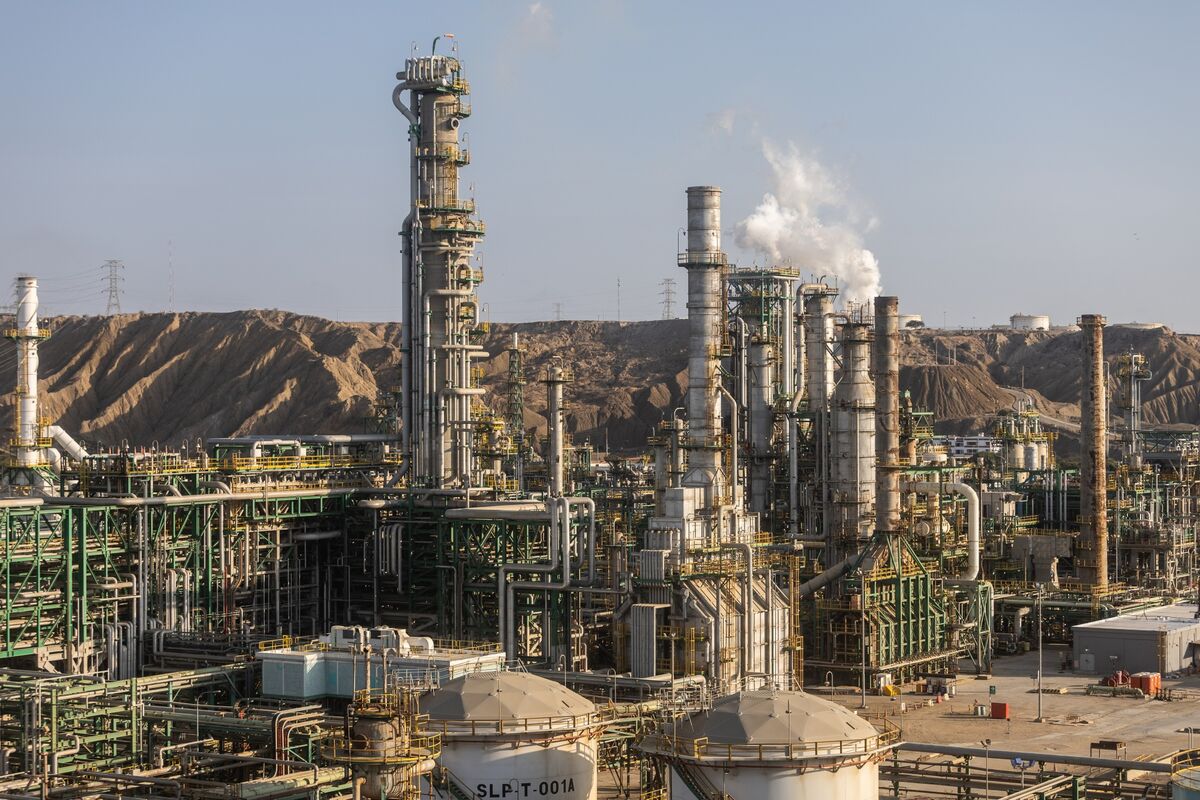

Peruvian Government Authorizes Petroperú to Seek Private Loans Amid Liquidity Crisis
In a move aimed at stabilizing the financial turmoil engulfing Peru’s state-owned oil company, the Peruvian government has granted Petroperú authorization to secure private loans to address its pressing liquidity crisis. The decision, announced on Monday, underscores the precarious financial position of the company, which has been grappling with mounting debt and operational challenges in recent years. This development highlights the broader economic pressures facing Peru’s energy sector as the government seeks to balance the need for short-term relief with the long-term sustainability of its flagship oil enterprise.
Petroperú, a cornerstone of Peru’s energy industry, has long been a symbol of national pride, overseeing critical oil exploration, refining, and distribution activities. However, the company has faced significant headwinds in recent years, including declining revenues, mismanagement, and the fallout from global oil market volatility. Compounded by the economic disruption caused by the COVID-19 pandemic, Petroperú’s financial woes have escalated, threatening its ability to maintain operations and meet its obligations. The company’s cash flow has been severely constrained, prompting urgent calls for intervention to prevent a potential collapse.
The government’s decision to allow Petroperú to access private loans marks a significant step in its efforts to shore up the company’s finances. By tapping into private capital markets, Petroperú aims to secure much-needed funding to stabilize its balance sheet and continue its operations. This move, however, raises questions about the company’s long-term viability and the potential implications for Peru’s broader economic landscape. Critics argue that relying on private loans could expose Petroperú to additional risks, including higher interest rates and stricter repayment terms, which could further strain its financial health.
The liquidity crisis at Petroperú comes at a particularly challenging time for Peru’s economy. The country has been navigating a complex economic environment characterized by slowing growth, rising inflation, and political instability. The energy sector, in particular, has faced significant challenges, with fluctuating global oil prices and increasing competition from renewable energy sources. Against this backdrop, Petroperú’s struggles have become emblematic of the broader issues facing Peru’s state-owned enterprises, many of which have been criticized for inefficiency and a lack of transparency.
The government’s intervention in Petroperú’s affairs is not without precedent. In recent years, authorities have implemented various measures to address the company’s financial difficulties, including capital injections and restructuring efforts. However, these efforts have yielded mixed results, and critics argue that more comprehensive reforms are needed to ensure Petroperú’s long-term sustainability. The decision to seek private loans represents a shift in strategy, reflecting the government’s recognition of the urgency of the situation.
Experts in the energy sector have weighed in on the implications of the government’s decision. While some view it as a necessary step to prevent Petroperú’s collapse, others caution that it could be a temporary fix that fails to address the underlying issues plaguing the company. “Allowing Petroperú to take on private loans may provide short-term relief, but it does little to address the systemic problems that have led to this crisis,” said Carlos del Solar, an energy analyst based in Lima. “Without meaningful reforms, Petroperú could find itself in an even more precarious position in the future.”
The crisis at Petroperú also has broader implications for Peru’s energy security and its role in the global oil market. As one of the largest oil producers in South America, Peru plays a critical role in meeting regional energy demands. Petroperú’s difficulties threaten to disrupt the supply chain, potentially leading to higher oil prices and energy shortages within the country. This, in turn, could exacerbate inflationary pressures and undermine economic recovery efforts.
Moreover, the situation raises questions about the government’s approach to managing state-owned enterprises. Critics argue that decades of mismanagement and political interference have contributed to Petroperú’s current predicament. They call for greater accountability and transparency in the company’s operations, as well as measures to reduce its reliance on government bailouts. Proponents of privatization suggest that transferring ownership to private investors could improve efficiency and profitability, though such proposals remain contentious in a country where state-owned enterprises are seen as symbols of national sovereignty.
The Peruvian government’s decision to authorize private loans for Petroperú is likely to spark debate among policymakers, industry stakeholders, and the public. While the move provides a lifeline for the embattled company, it also highlights the need for a comprehensive strategy to address the underlying issues facing Peru’s energy sector. As the government grapples with these challenges, the fate of Petroperú will serve as a litmus test for its ability to navigate economic turbulence and chart a sustainable path forward.
In conclusion, the Peruvian government’s authorization of private loans for Petroperú underscores the delicate balancing act between addressing immediate financial needs and ensuring the long-term stability of state-owned enterprises. As Petroperú seeks to navigate its liquidity crisis, the broader implications for Peru’s economy and energy sector remain uncertain. The coming months will be critical in determining whether this intervention represents a turning point or merely a stopgap measure in the company’s troubled journey. Balancing short-term relief with structural reforms will be key to restoring confidence in Petroperú and safeguarding Peru’s energy future.
