



The Rise of ETFs: A Transformative Force in Global Markets
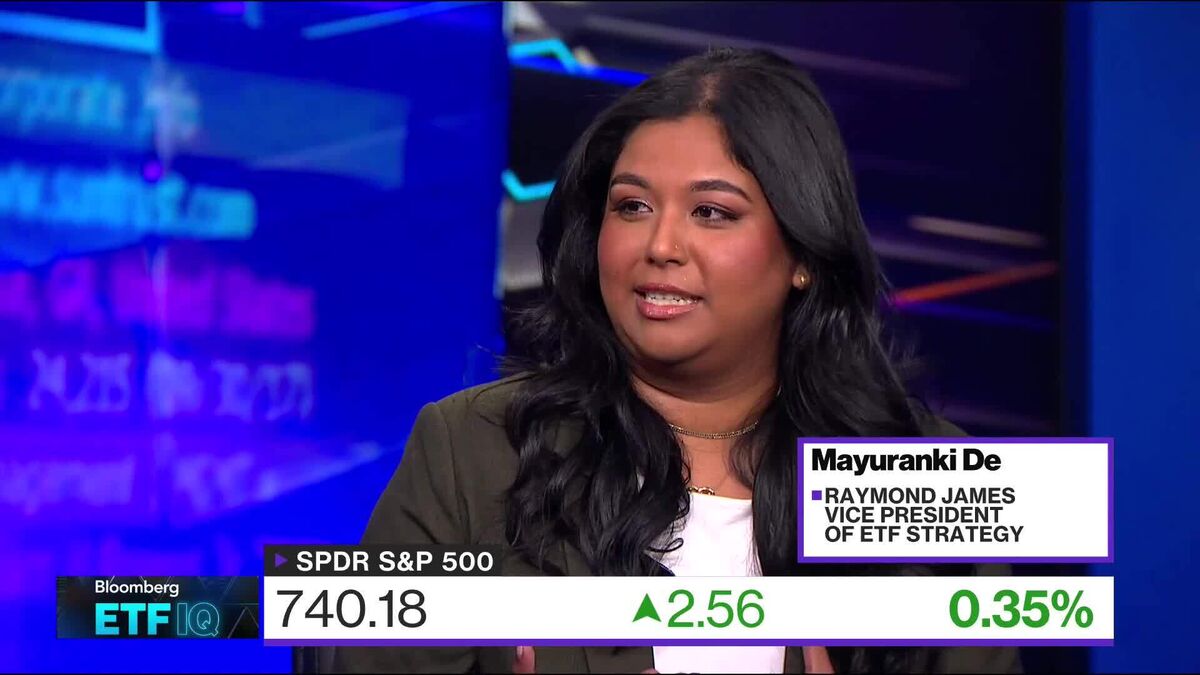
In an era defined by rapid technological advancements and evolving investor preferences, exchange-traded funds (ETFs) have emerged as a cornerstone of modern finance. Once a niche investment product, ETFs have grown into a global phenomenon, reshaping how individuals and institutions approach wealth management. Amid this backdrop, Mayuranki De, Vice President of ETF Trade Strategy at Raymond James, recently joined Bloomberg’s “ETF IQ” to discuss the transformative role of these financial instruments. The conversation, hosted by Katie Greifeld, Scarlet Fu, and Eric Balchunas, delved into the strategic implications, challenges, and opportunities presented by the ETF revolution.
The Evolution of ETFs: From Innovation to Mainstream
ETFs were first introduced in the early 1990s as a novel way to provide investors with diversified exposure to an index or sector without the complexities of traditional mutual funds. Over the past three decades, they have evolved far beyond their initial purpose, becoming a versatile tool for accessing everything from commodities to cryptocurrencies. According to data from Bloomberg Intelligence, global ETF assets surpassed $10 trillion in 2023, a testament to their growing popularity.
Mayuranki De emphasized that ETFs have democratized investing, offering retail investors access to strategies once reserved for institutional players. “ETFs have leveled the playing field,” she noted. “Whether you’re a seasoned trader or a novice investor, these funds provide a cost-effective, transparent, and flexible way to build a diversified portfolio.”
The appeal of ETFs lies in their simplicity and efficiency. Unlike mutual funds, ETFs trade on stock exchanges throughout the day, allowing investors to buy and sell shares at market prices. This liquidity, combined with lower expense ratios and tax advantages, has made them a preferred choice for a broad spectrum of investors.
Unpacking the Strategic Role of ETFs
During the Bloomberg discussion, De highlighted the strategic importance of ETFs in today’s volatile markets. “ETFs are not just a product; they’re a strategy,” she explained. “They enable investors to adapt quickly to changing market conditions, whether that’s shifting sector exposure or hedging against downside risk.”
One area of particular interest is the rise of thematic ETFs, which focus on specific trends such as clean energy, artificial intelligence, or genomics. These funds allow investors to capitalize on long-term growth opportunities while mitigating the risks associated with individual stock picks. De pointed out that thematic ETFs have gained traction among younger investors, who are drawn to their alignment with personal values and forward-looking themes.
Another key trend is the proliferation of actively managed ETFs, which combine the benefits of traditional ETF structures with the expertise of professional fund managers. While index-tracking ETFs remain dominant, actively managed funds are carving out a niche by offering tailored solutions for complex investment strategies.
Challenges in the ETF Ecosystem
Despite their many advantages, ETFs are not without challenges. One concern is the potential for market fragmentation, as the sheer variety of funds can overwhelm investors. With thousands of ETFs now available, selecting the right one requires careful research and due diligence.
De also addressed the issue of liquidity risk, particularly in less-traded ETFs. While major funds like the S&P 500-tracking SPDR S&P 500 ETF Trust (SPY) boast robust trading volumes, smaller or niche ETFs may experience wider bid-ask spreads and lower liquidity. “Investors need to be mindful of the underlying liquidity of an ETF,” she cautioned. “It’s not just about the fund itself but also the liquidity of the assets it holds.”
Another challenge is regulatory scrutiny. As ETFs continue to grow in size and complexity, regulators are paying closer attention to potential risks, such as the use of derivatives and leverage. De emphasized the importance of maintaining transparency and investor education to ensure the ETF ecosystem remains resilient.
The Global Impact of ETFs
The rise of ETFs has had profound implications for global markets. In the United States, they now account for a significant portion of daily trading volumes on major exchanges. Meanwhile, Europe and Asia are experiencing rapid growth in ETF adoption, driven by increasing investor awareness and regulatory support.
De underscored the role of ETFs in promoting financial inclusion, particularly in emerging markets. “ETFs provide a gateway for investors in developing economies to access global markets,” she said. “They offer a low-cost, efficient way to diversify beyond local stocks and bonds.”
The global ETF market is also fostering innovation in asset management. Traditional fund managers are increasingly incorporating ETFs into their product offerings, while fintech startups are leveraging ETFs to create new investment platforms. This convergence of traditional and modern finance is reshaping the industry, blurring the lines between active and passive management.
The Future of ETFs: Opportunities Ahead
Looking ahead, De expressed optimism about the continued growth and evolution of ETFs. She anticipates that technological advancements, such as blockchain and artificial intelligence, will further enhance the efficiency and accessibility of these funds. “The ETF industry is still in its early stages,” she said. “There’s so much potential for innovation and expansion.”
One area of focus is the integration of ESG (environmental, social, and governance) considerations into ETF strategies. As sustainability becomes a top priority for investors, ESG-focused ETFs are gaining momentum. De believes these funds will play a pivotal role in directing capital toward socially responsible initiatives.
Another promising development is the rise of tokenized ETFs, which leverage blockchain technology to offer fractional ownership and enhanced transparency. While still in its infancy, this innovation could unlock new possibilities for investors and issuers alike.
Conclusion: A Balanced Perspective on ETFs
As ETFs continue to reshape the financial landscape, they bring both opportunities and challenges. For investors, they offer a powerful tool for achieving diversification, flexibility, and cost efficiency. For the broader ecosystem, they drive innovation and foster greater inclusion.
However, as Mayuranki De and the Bloomberg panelists emphasized, success in the ETF space requires a nuanced understanding of the risks and rewards. Investors must navigate a rapidly evolving market with diligence and foresight, while regulators and industry players must work together to ensure stability and transparency.
In the words of De, “ETFs are more than just a trend—they’re a fundamental shift in how we think about investing.” As this shift unfolds, it will undoubtedly leave a lasting imprint on global markets and the way individuals and institutions approach wealth creation. The ETF revolution is here to stay, and its impact will be felt for generations to come.
