


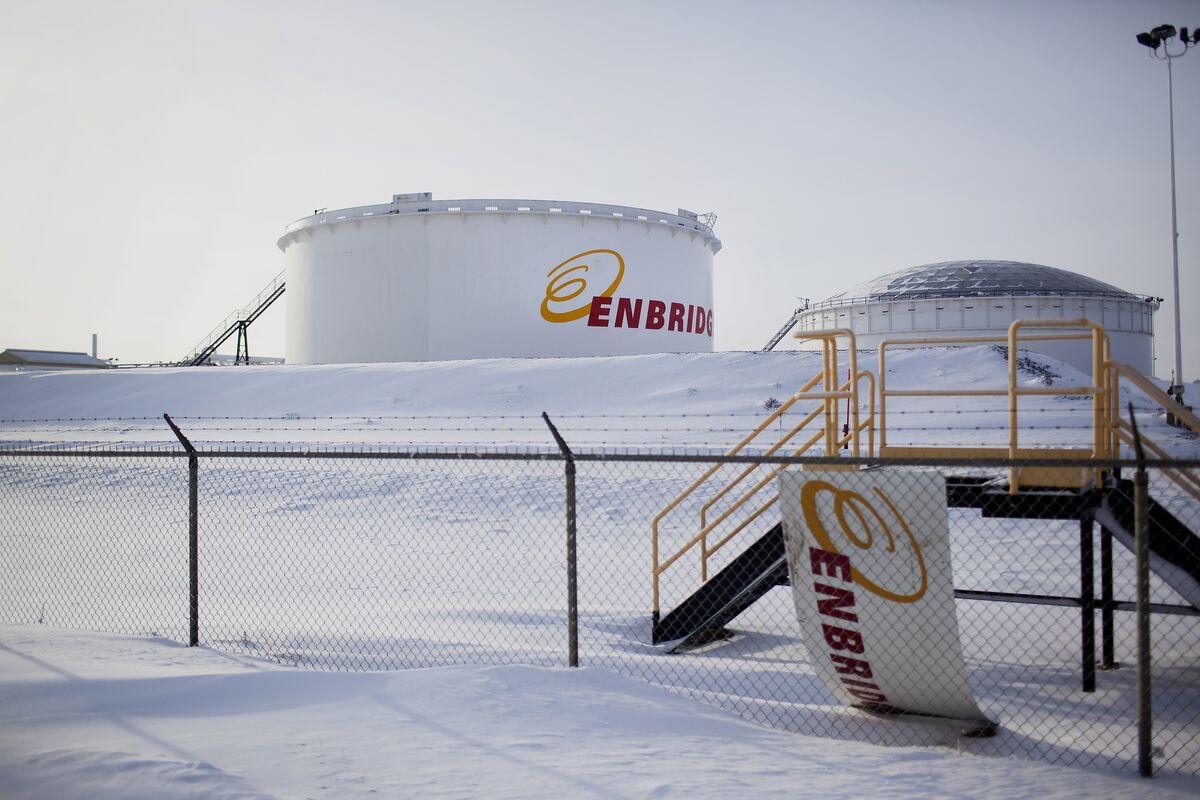

Canada and Alberta Reach Carbon Tax Deal: Implications for Energy Sector and North American Pipelines
By [Your Name]
Toronto, Canada – In a landmark agreement that could reshape Canada’s energy landscape, the federal government and Alberta province have struck a deal on the contentious carbon tax, paving the way for smoother approvals of future pipeline projects. The breakthrough, announced after months of negotiations, signals a potential thaw in federal-provincial tensions over climate policy while offering energy companies greater regulatory certainty. Enbridge CEO Greg Ebel, in an exclusive interview with Bloomberg’s The Close, highlighted the deal’s significance for North America’s energy infrastructure, emphasizing its role in balancing economic growth with emissions reduction.
The agreement comes at a critical juncture for Canada’s oil and gas sector, which has long grappled with regulatory hurdles and opposition to major pipeline expansions. With Alberta home to the world’s third-largest oil reserves, the province’s cooperation on carbon pricing is seen as a vital step toward unlocking new energy investments while meeting climate commitments.
The Carbon Tax Compromise: What’s in the Deal?
Under the new arrangement, Alberta will retain its existing industrial carbon pricing system—the Technology Innovation and Emissions Reduction (TIER) program—rather than adopting the federal carbon tax outright. The TIER system, which imposes emissions caps on large industrial polluters, has been praised by industry leaders for its flexibility, allowing companies to invest in cleaner technology or purchase offsets instead of paying direct levies.
The federal government, meanwhile, has secured assurances that Alberta’s approach will align with Canada’s broader climate goals, including its pledge to cut emissions by 40-45% below 2005 levels by 2030. The deal effectively ends a years-long standoff between Ottawa and Edmonton, where Alberta Premier Danielle Smith had fiercely opposed federal carbon pricing, calling it an overreach into provincial jurisdiction.
For energy executives like Enbridge’s Greg Ebel, the agreement provides much-needed stability. “This is about finding a balance,” Ebel told Bloomberg. “We need policies that support both energy security and environmental progress. This deal helps achieve that.”
Pipeline Politics: A Path Forward for Energy Infrastructure?
One of the most immediate impacts of the carbon tax agreement could be on pipeline approvals. Canada’s energy sector has faced repeated setbacks in recent years, with high-profile projects like Keystone XL being canceled and the Trans Mountain expansion facing delays and cost overruns. Industry leaders argue that regulatory uncertainty and political opposition have stifled investment, forcing producers to rely on less efficient (and often more emissions-intensive) transport methods like rail.
Ebel suggested that the Alberta-Ottawa compromise could ease tensions around future infrastructure projects. “When there’s alignment between provinces and the federal government, it sends a strong signal to investors,” he said. “Pipelines are still the safest and most efficient way to move energy, and this deal could help advance projects that benefit both Canada and the U.S.”
The implications extend beyond Canada’s borders. As the largest supplier of crude oil to the United States, Canada’s ability to expand pipeline capacity directly affects North American energy security. With global oil markets still volatile due to geopolitical tensions, reliable supply chains are more crucial than ever.
Environmental Concerns and Industry Pushback
While the deal has been welcomed by business leaders, environmental groups remain skeptical. Critics argue that Alberta’s TIER system lacks the stringent enforcement of the federal carbon tax and could allow major emitters to avoid meaningful reductions. “This is a loophole for big polluters,” said one climate advocate. “We need stronger measures, not watered-down compromises.”
However, proponents counter that the agreement is a pragmatic solution in a country where energy production is a major economic driver. Alberta’s oil sands alone account for nearly 10% of Canada’s GDP, and the sector supports hundreds of thousands of jobs. Striking a balance between environmental targets and economic realities has been a persistent challenge for policymakers.
Looking Ahead: A Model for Other Provinces?
The Alberta-Ottawa deal could set a precedent for other provinces resisting the federal carbon tax. Saskatchewan and Ontario have also pushed back against Ottawa’s climate policies, and Alberta’s success in negotiating an alternative approach may encourage further regional agreements.
For now, the focus will be on implementation. If Alberta can demonstrate that its TIER system effectively reduces emissions while supporting industry growth, it could become a blueprint for future climate policy in Canada—and beyond.
As Greg Ebel noted, “The energy transition won’t happen overnight, but agreements like this show that progress is possible when governments and industry work together.” Whether this compromise leads to lasting change or merely postpones tougher decisions remains to be seen—but for now, it offers a rare moment of consensus in Canada’s fraught energy debate.
