



Global Markets Remain Unfazed by Geopolitical Turmoil, But Experts Warn of Unprecedented Risks Ahead
In a world grappling with escalating geopolitical tensions, economic uncertainty, and rapid technological advancements, global markets have proven remarkably resilient. Despite ongoing conflicts, inflationary pressures, and rising interest rates, investors continue to shrug off instability, fueling record-breaking stock rallies. Yet, billionaire investor Ray Dalio, founder of Bridgewater Associates, warns that this complacency may be misplaced. In a recent analysis, Dalio argues that while markets have historically weathered wars and crises, the current confluence of risks—from AI-driven disruptions to energy geopolitics—could make this time fundamentally different.
Dalio’s insights come at a pivotal moment for global economies and industries. Simultaneously, the artificial intelligence (AI) revolution is reaching a critical juncture, with tech executives issuing stark warnings about the existential risks posed by the very systems they are racing to develop. Meanwhile, China’s aggressive investments in energy infrastructure are reshaping the global race for AI supremacy and industrial dominance, further complicating the geopolitical landscape. Amid these challenges, cities like New York are debating how to balance fiscal responsibility with economic competitiveness, raising questions about the sustainability of their strategies.
Markets and War: A Historical Perspective
Historically, financial markets have demonstrated an uncanny ability to recover from geopolitical shocks. From the World Wars to the Cold War and the Gulf conflicts, global equities have often rebounded swiftly, driven by long-term growth trends and investor optimism. Dalio points out that this pattern is rooted in the belief that wars, while destructive, rarely disrupt the foundational drivers of economic progress—innovation, productivity, and global trade.
However, Dalio cautions that the current environment is uniquely precarious. The rise of AI, the intensifying competition between the U.S. and China, and the global energy transition are converging to create systemic risks that could destabilize markets in unpredictable ways. Unlike traditional conflicts, these challenges are not limited by geography or time, making them harder to mitigate.
“Markets have always been forward-looking,” Dalio notes. “But the risks we face today are not just about wars or economic cycles. They’re about structural shifts that could redefine the global order.”
AI Executives Sound Alarm Amid Rapid Innovation
The AI industry finds itself at a paradoxical crossroads. On one hand, tech giants and startups are racing to develop increasingly sophisticated systems, touting their potential to revolutionize industries, boost productivity, and solve pressing global challenges. On the other hand, leading voices within the sector are raising alarms about the dangers of unchecked AI development, warning of everything from job displacement to existential threats to humanity.
Prominent figures such as Elon Musk, Sam Altman, and Demis Hassabis have called for regulatory frameworks to ensure AI is developed responsibly. Their concerns highlight a troubling paradox: the same companies driving AI innovation are also its most vocal critics. Critics argue that this duality reflects a deeper tension between profit motives and ethical responsibilities, leaving policymakers and the public grappling with how to navigate this uncharted territory.
“The pace of AI development is outstripping our ability to understand and manage its implications,” says Dr. Jane Williamson, a technology ethics researcher at Oxford University. “Without robust global governance, we risk creating systems that could have catastrophic consequences.”
China’s Energy Ambitions and the Race for AI Dominance
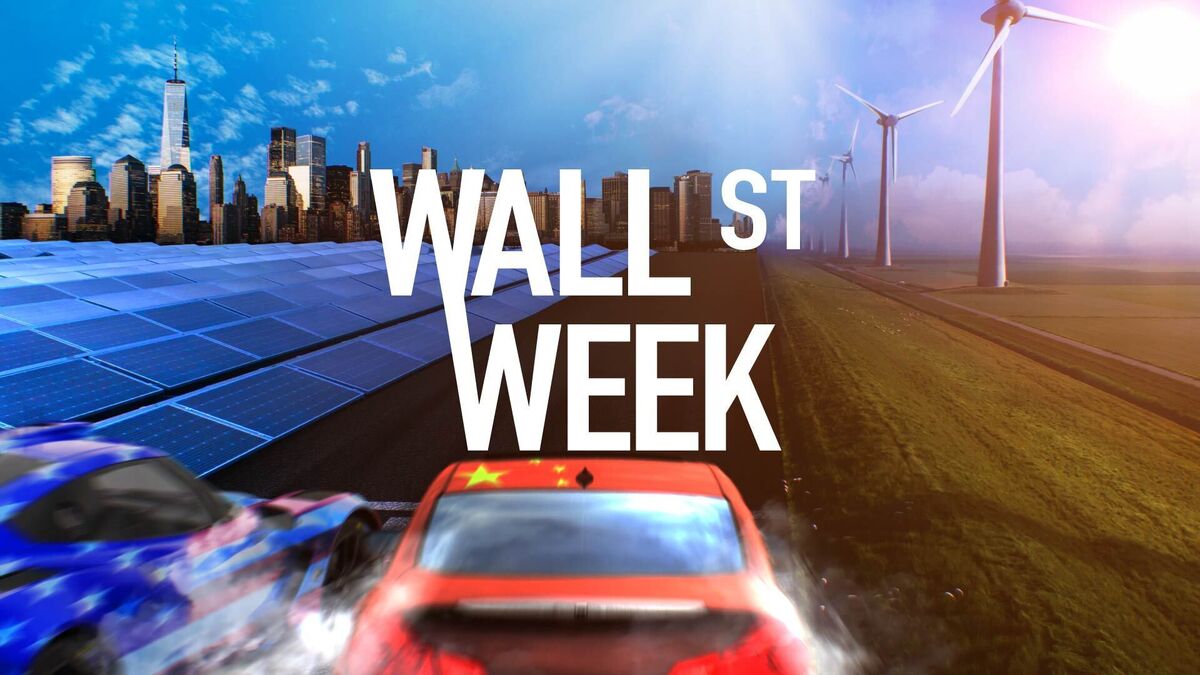
As the AI race heats up, energy infrastructure has emerged as a critical battleground. China, already a global leader in renewable energy technologies, is pouring billions into expanding its energy capacity, ensuring it has the resources needed to power its AI ambitions. This strategy is paying off: China now boasts some of the world’s largest data centers and AI research facilities, backed by a reliable and cost-effective energy supply.
This aggressive investment is reshaping the global competition for AI leadership. While the U.S. remains a leader in AI innovation, its energy infrastructure lags behind, raising concerns about its ability to compete in the long term. Experts warn that this disparity could have far-reaching implications, not just for AI but for broader industrial and geopolitical dynamics.
“Energy is the backbone of the digital economy,” says Dr. Li Wei, a Beijing-based energy analyst. “Whoever controls the energy supply controls the future of AI and industrial power.”
New York’s Fiscal Dilemma: Balancing Taxes and Competitiveness
Closer to home, cities like New York are grappling with their own set of challenges. Facing a growing budget shortfall, the city is considering raising taxes to shore up its finances. While such measures may seem fiscally prudent, they risk alienating businesses and young workers, who are increasingly drawn to lower-cost and more business-friendly locales.
New York’s dilemma underscores a broader tension faced by urban centers worldwide: how to maintain economic vitality while addressing fiscal pressures. As cities compete for talent and investment, policymakers must walk a fine line between raising revenue and fostering a vibrant, attractive environment.
“If New York wants to remain a global hub, it needs to focus on creating an ecosystem that encourages innovation and growth,” says economist Michael Carter. “Raising taxes without addressing underlying issues could backfire.”
A Fragile Balance
As markets, industries, and governments navigate this complex landscape, one thing is clear: the status quo is no longer sufficient. Whether it’s managing the risks of AI, mitigating geopolitical tensions, or fostering economic competitiveness, bold and innovative solutions are needed.
Dalio’s warning serves as a sobering reminder that while markets have historically overcome crises, the challenges of today require a new paradigm. As the world stands at the intersection of unprecedented opportunities and risks, the path forward will depend on collaboration, foresight, and a willingness to confront uncomfortable truths.
In the words of Dalio: “We are in uncharted waters. The decisions we make today will shape the world for decades to come.”
