



Tensions Escalate Between Malaysia and Norway Over Canceled Naval Missile Deal
Diplomatic Row Emerges as Norway Revokes Export Licenses for Advanced Strike System
KUALA LUMPUR/OSLO – A major defense deal between Malaysia and Norway has collapsed, sparking a diplomatic dispute after Oslo confirmed it revoked export licenses for a cutting-edge naval strike missile system. The abrupt termination of the agreement has raised concerns over Malaysia’s military modernization plans and signals growing geopolitical tensions in Southeast Asia.
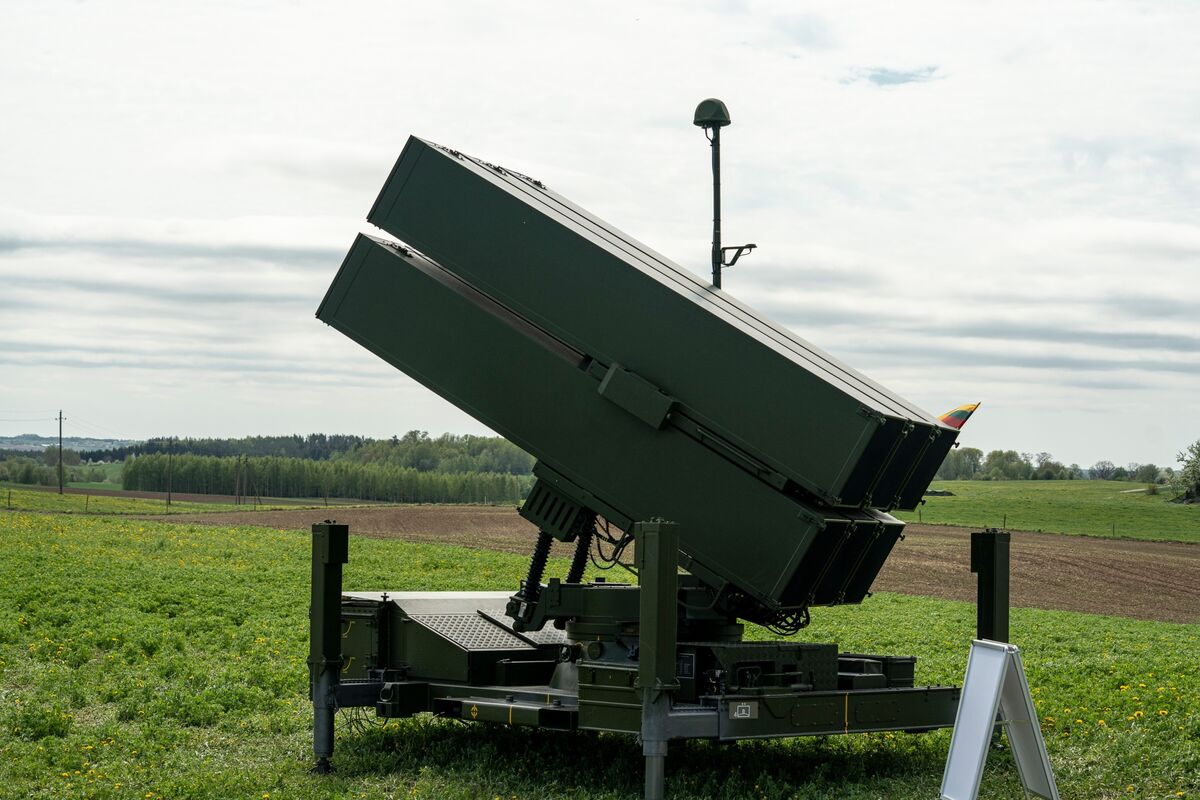
The deal, which involved Norway’s Kongsberg Defence & Aerospace supplying Malaysia with its Naval Strike Missile (NSM) coastal defense systems, was abruptly scrapped following undisclosed disagreements. The NSM, a stealthy, precision-guided anti-ship missile, was intended to bolster Malaysia’s maritime security amid rising territorial disputes in the South China Sea.
Why the Deal Collapsed
Norwegian authorities cited “unresolved compliance issues” as the reason for revoking the export licenses, though officials declined to elaborate on specific concerns. Industry analysts suggest the cancellation may be linked to broader geopolitical pressures, including Norway’s alignment with Western defense export controls amid global conflicts.
Malaysian Defense Minister Khaled Nordin expressed disappointment, stating that the sudden revocation “disrupts our strategic defense roadmap.” The Royal Malaysian Navy had earmarked the NSM as a key component of its coastal defense strategy, particularly in safeguarding vital shipping lanes and contested waters.
Strategic Implications for Malaysia
The failed deal deals a significant blow to Malaysia’s military modernization efforts. The country has been seeking to upgrade its aging naval assets amid increasing Chinese assertiveness in the South China Sea, where Malaysia, along with Brunei, Vietnam, and the Philippines, has overlapping territorial claims.
Without the NSM system, Malaysia may face delays in countering potential maritime threats. Defense experts warn that the country’s current inventory of anti-ship missiles is outdated, leaving gaps in its coastal defense network.
Norway’s Defense Export Dilemma
Norway, a major arms exporter, has faced increasing scrutiny over its defense sales amid global conflicts. The Scandinavian nation has strict export controls aligned with EU and NATO policies, particularly concerning sales to regions with ongoing disputes.
Kongsberg, the manufacturer of the NSM, has seen growing international demand for its missile systems, with recent contracts signed with the U.S., Poland, and Germany. However, the Malaysia setback highlights the challenges defense firms face when geopolitical considerations override commercial agreements.
Regional Reactions and Alternative Suppliers
The fallout has prompted Malaysia to explore alternative suppliers, with defense officials reportedly in talks with South Korea, Turkey, and China for similar missile systems. However, shifting to a new supplier could entail lengthy negotiations, testing, and integration—delays Malaysia can ill afford.
Neighboring countries are closely monitoring the situation. Singapore and Indonesia, both investing heavily in naval capabilities, may recalibrate their own procurement strategies in response to the deal’s collapse.
Broader Geopolitical Undercurrents
The dispute underscores the delicate balance smaller nations must strike between defense needs and geopolitical alliances. Malaysia, while seeking to maintain neutrality in U.S.-China tensions, now faces pressure to accelerate its military upgrades without relying solely on Western suppliers.
Norway’s decision may also reflect broader Western caution in arming Southeast Asian nations embroiled in territorial disputes, particularly where China’s influence looms large.
What Happens Next?
Malaysian officials are expected to fast-track alternative procurement plans, but the setback highlights the vulnerabilities of relying on foreign arms deals subject to political shifts. Meanwhile, Norway’s revocation signals a tightening of defense export policies, potentially affecting future deals with non-NATO partners.
As both nations navigate the fallout, the incident serves as a reminder of how quickly defense partnerships can unravel in an increasingly polarized world.
For now, the South China Sea remains a flashpoint—and Malaysia’s search for a reliable missile defense system continues.
