


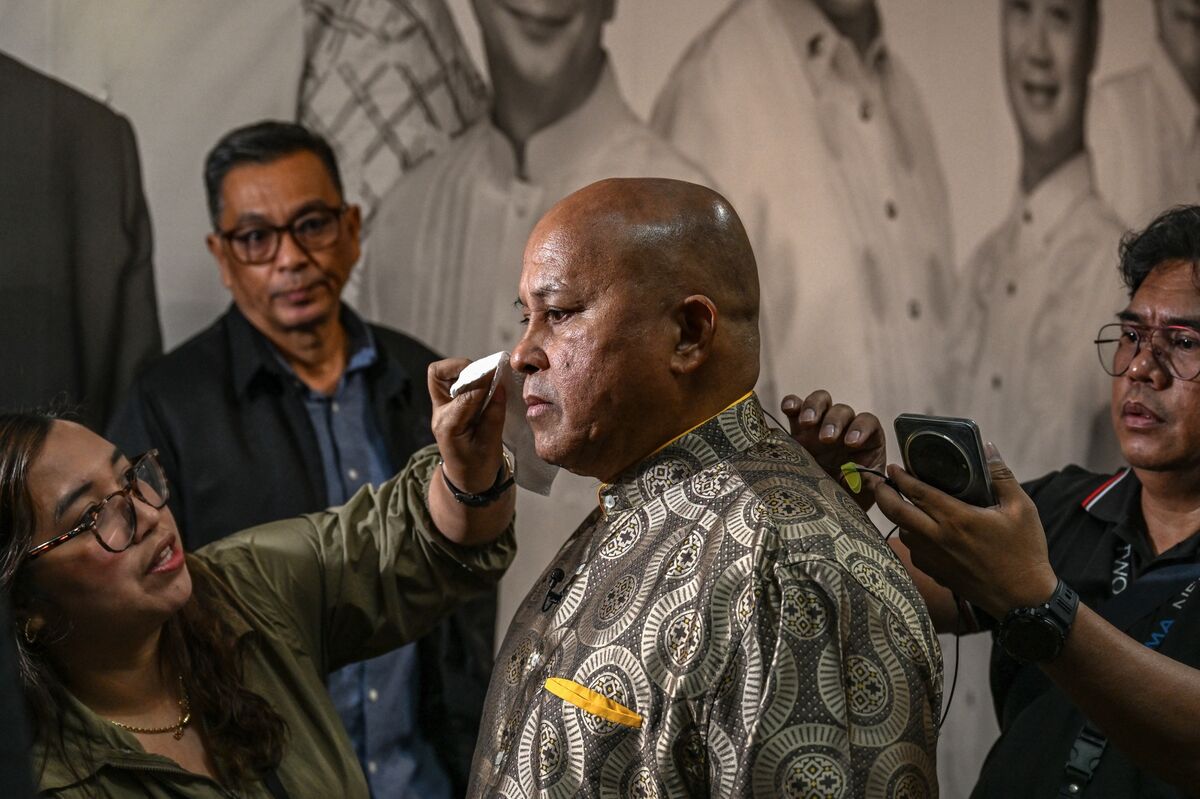

Philippine Senator Faces ICC Arrest Warrant as Government Seeks Supreme Court Intervention
In a dramatic escalation of tensions between the Philippine government and the International Criminal Court (ICC), Manila has appealed to the nation’s Supreme Court to block the arrest of Senator Ronald Dela Rosa, a former top police official implicated in alleged crimes against humanity during President Rodrigo Duterte’s controversial anti-drug campaign. The ICC issued an arrest warrant for Dela Rosa earlier this month, marking a pivotal moment in the international tribunal’s years-long investigation into the deadly war on drugs that has drawn global condemnation.
The Philippine government’s request to the Supreme Court underscores the deepening rift between Manila and the Hague-based court, which the nation officially withdrew from in 2019 under Duterte’s administration. Dela Rosa, a close ally of the former president, served as chief of the Philippine National Police during the early years of the crackdown, which human rights groups claim resulted in the extrajudicial killings of thousands of suspected drug users and dealers. The senator’s case has now become a flashpoint in the ongoing battle over accountability, sovereignty, and international justice.
Background: The ICC’s Investigation and Philippine Sovereignty
The ICC’s investigation into the Philippine drug war began in 2018, following widespread reports of systematic human rights abuses. According to official figures, more than 6,000 people were killed in police operations between 2016 and 2022, though independent watchdogs estimate the death toll could exceed 30,000, including victims of vigilante-style executions. The ICC, which has jurisdiction over crimes against humanity, genocide, and war crimes, deemed the crackdown a potential violation of international law and launched a preliminary probe.
The Philippine government has consistently rejected the ICC’s authority, arguing that the nation’s judicial system is capable of handling such cases independently. In 2019, Duterte withdrew the Philippines’ membership from the Rome Statute, the treaty that established the ICC, citing “baseless” and “unprecedented” attacks on the country’s sovereignty. Despite the withdrawal, the ICC retains jurisdiction over alleged crimes committed while the Philippines was still a member state, from 2011 to 2019.
Senator Dela Rosa, who has been vocal in defending the anti-drug campaign, dismissed the ICC’s warrant as “political persecution” and insisted that the operations were lawful and necessary to combat the country’s drug problem. “I was just doing my job,” he stated in a recent interview. “If foreign entities want to interfere with our domestic affairs, they should at least respect our legal processes.”
Government’s Legal Strategy and Domestic Implications
The Philippine government’s decision to petition the Supreme Court signals a strategic legal maneuver aimed at shielding Dela Rosa from international prosecution. In its filing, the Department of Justice argued that the ICC’s warrant violates Philippine sovereignty and could undermine the country’s judicial independence. “The ICC’s actions are an affront to our constitution and our national dignity,” Justice Secretary Crispin Remulla said in a statement.
Legal experts, however, are divided on the government’s chances of success. Some argue that the Supreme Court could align with the executive branch’s position, citing the principle of state sovereignty. Others contend that the court may tread carefully to avoid setting a precedent that could isolate the Philippines from the global community. “This case raises profound questions about the balance between national sovereignty and international accountability,” said Professor Edwin Lacierda, a political analyst based in Manila.
The petition also highlights the delicate political dynamics within the Philippines, where Dela Rosa remains a prominent figure in the ruling party and a potential candidate for higher office. His arrest or prosecution could ignite backlash among his supporters and destabilize the political landscape, particularly as the nation grapples with pressing economic and social challenges.
International Reactions and Human Rights Advocacy
The ICC’s warrant has reignited international debate over the role of global institutions in addressing human rights violations. Human rights organizations have hailed the decision as a crucial step toward justice for the victims of the drug war. “The ICC’s intervention sends a powerful message that impunity will not be tolerated, no matter how powerful the perpetrators may be,” said Carlos Conde, a senior researcher at Human Rights Watch.
However, critics of the ICC have questioned its effectiveness and fairness, arguing that it disproportionately targets leaders from developing nations while ignoring abuses by major powers. Some Asian countries, including China and India, have echoed the Philippine government’s concerns about sovereignty and external interference.
The United Nations, meanwhile, has called for a balanced approach that respects both international law and national sovereignty. “The pursuit of justice must be impartial and inclusive, taking into account the unique circumstances of each case,” said UN spokesperson Stephane Dujarric.
Looking Ahead: A Test of Justice and Diplomacy
As the Philippine Supreme Court prepares to deliberate on the government’s petition, the case of Senator Dela Rosa stands as a litmus test for the country’s commitment to justice and the rule of law. It also raises broader questions about the efficacy of international mechanisms in holding leaders accountable for human rights abuses.
For now, the senator remains free, continuing his legislative duties while awaiting the court’s decision. The outcome of the case could have far-reaching implications, not only for Dela Rosa and the victims of the drug war but also for the Philippines’ standing in the global community.
As tensions persist between Manila and The Hague, one thing is clear: the pursuit of justice, whether through domestic or international channels, remains a complex and contentious endeavor. The world will be watching closely as this unfolding legal drama continues to shape the narrative of accountability in the 21st century.
Closing Note
The case of Senator Ronald Dela Rosa underscores the intricate interplay between national sovereignty and international justice, a debate that continues to evolve in an increasingly interconnected world. While the path to accountability remains fraught with challenges, the pursuit of truth and justice for the victims of the Philippine drug war remains a moral imperative that transcends borders.
