


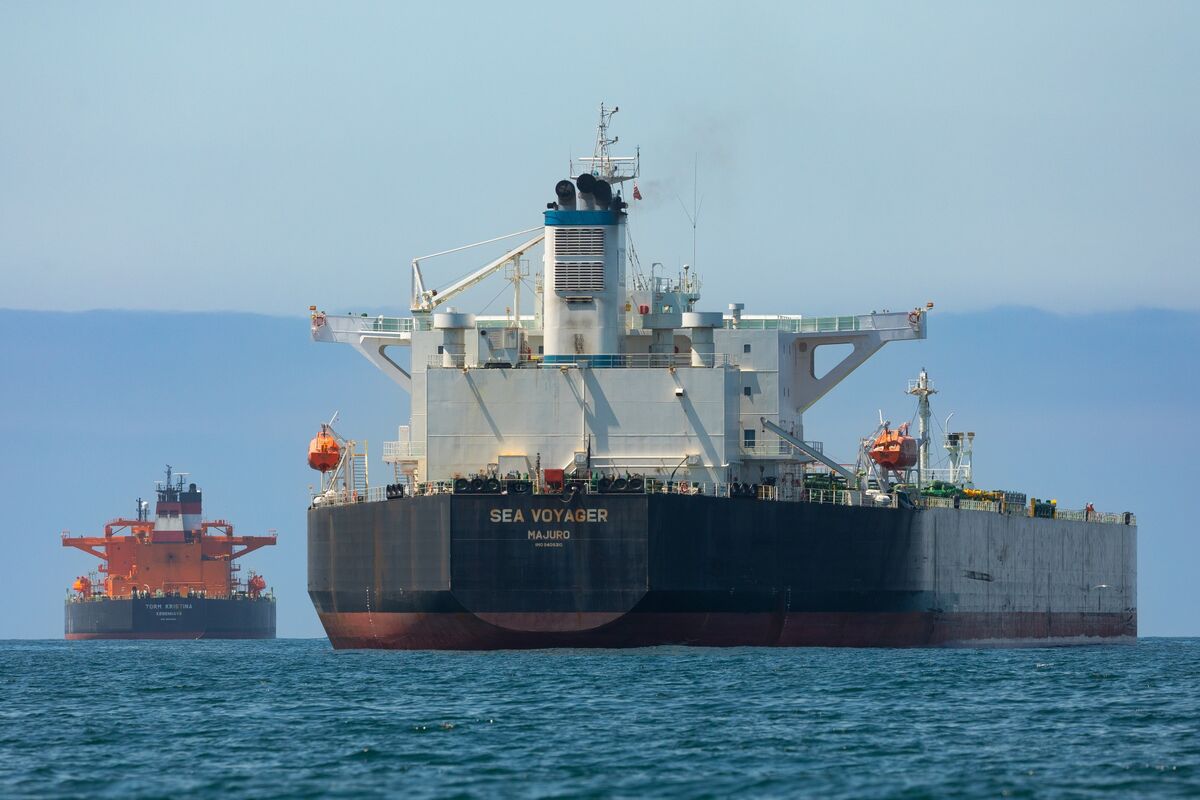

Shipping Stocks Outshine AI: Hong Kong Hedge Fund Bets Big on Maritime Trade Amid Tech Sector Uncertainty
In a world captivated by the meteoric rise of artificial intelligence (AI) and the transformative potential of cutting-edge technologies, one Hong Kong hedge fund is steering its investments in a decidedly different direction. Amid soaring valuations and speculative fervor in the tech sector, Scale Investment Management has identified a surprising opportunity: shipping stocks. The fund, which has consistently outperformed its peers, argues that maritime trade offers a safer and more lucrative bet than AI, citing concerns over excessive spending and overvaluation in the tech industry. This contrarian stance comes as global markets grapple with economic uncertainty, shifting trade dynamics, and the rapid evolution of technology.
Scale Investment Management’s CEO, Kelvin Wong, articulated the fund’s rationale in a recent interview. “While AI is undoubtedly a revolutionary force, the sector is plagued by inflated valuations and unsustainable spending. Companies are pouring billions into development without clear paths to profitability. In contrast, shipping is a fundamental pillar of the global economy, and its stocks are currently undervalued despite strong underlying fundamentals.” Wong’s comments reflect a broader debate among investors about where to allocate capital in a volatile market environment.
The Appeal of Shipping Stocks
The shipping industry has experienced a dramatic resurgence in recent years, driven by pandemic-induced supply chain disruptions, a surge in global trade, and geopolitical shifts. Container shipping companies, in particular, have reaped the benefits of skyrocketing freight rates and increased demand for goods. According to industry reports, global trade volumes rebounded strongly in 2023, with China’s reopening and robust U.S. consumer spending fueling growth.
Scale Investment Management points to several factors that make shipping stocks an attractive investment. First, the sector’s valuations remain relatively low compared to tech giants, offering significant upside potential. Second, shipping companies have demonstrated resilience in the face of economic headwinds, thanks to their essential role in facilitating global commerce. Third, the industry is poised to benefit from long-term trends such as the reconfiguration of supply chains and the transition to cleaner energy sources, which could drive demand for specialized shipping services.
“Shipping is not glamorous, but it’s indispensable,” Wong remarked. “Every product we use—whether it’s a smartphone, a car, or a piece of furniture—relies on shipping at some point in its journey. This sector is the backbone of globalization, and its importance cannot be overstated.”
The Risks of AI Overvaluation
While AI has dominated headlines and investor portfolios in 2023, Scale Investment Management warns that the sector’s explosive growth may be unsustainable. Tech giants such as Microsoft, Google, and NVIDIA have poured billions into AI development, betting on its potential to revolutionize industries ranging from healthcare to finance. However, critics argue that much of this spending is speculative, with few companies demonstrating a clear path to profitability.
“The AI hype has created a bubble,” Wong cautioned. “Investors are betting on future outcomes that may not materialize for years, if at all. Meanwhile, the sector is facing significant challenges, including regulatory scrutiny, ethical concerns, and intensifying competition.”
The hedge fund’s skepticism echoes broader concerns about the tech sector’s trajectory. In recent months, market analysts have warned of a potential correction as lofty valuations begin to weigh on investor sentiment. The Nasdaq Composite, which is heavily weighted toward tech stocks, has experienced heightened volatility, underscoring the risks associated with overexposure to the sector.
Contextualizing the Debate
The debate over shipping versus AI investments reflects deeper tensions in the global economy. On one hand, AI represents the frontier of innovation, promising to unlock unprecedented efficiencies and new business models. On the other, shipping embodies the enduring importance of traditional industries that underpin economic stability.
Historically, shipping has been a cyclical industry, with fortunes tied to global trade patterns and economic conditions. However, recent years have seen the sector evolve in response to new challenges, including decarbonization efforts and geopolitical realignments. The International Maritime Organization (IMO) has set ambitious targets to reduce greenhouse gas emissions, prompting shipping companies to invest in cleaner technologies and alternative fuels.
Meanwhile, the tech industry is grappling with its own set of hurdles. Rapid advancements in AI have raised ethical and regulatory questions, with governments worldwide moving to establish frameworks for its use. Additionally, the sector’s reliance on semiconductor supply chains has exposed vulnerabilities, particularly in light of ongoing geopolitical tensions between the U.S. and China.
Investor Implications
Scale Investment Management’s contrarian stance has sparked a lively debate among portfolio managers and analysts. While some view shipping as a safe harbor in uncertain times, others argue that AI’s transformative potential justifies its premium valuations.
“Investors need to balance risk and reward,” said Sarah Tan, a market strategist at Goldman Sachs. “Shipping offers stability and steady returns, but AI represents the future. The key is to diversify and avoid putting all your eggs in one basket.”
For Scale Investment Management, the decision to pivot toward shipping is rooted in a disciplined approach to risk management. The fund has a track record of identifying undervalued assets and capitalizing on market inefficiencies. Its recent success in navigating volatile markets has bolstered its reputation as a shrewd and forward-thinking investor.
Closing Thoughts
As global markets continue to evolve, the divergence between traditional industries and cutting-edge technologies underscores the complexity of investment decisions. While AI captures the imagination with its promise of innovation, shipping remains a cornerstone of the global economy. Scale Investment Management’s bullish outlook on maritime trade serves as a reminder that, in investing, opportunities often lie where others least expect them.
“In the end, it’s about finding value,” Wong concluded. “AI may be the future, but shipping is the here and now. And right now, that’s where we see the best returns.”
Whether shipping stocks will continue to outperform AI remains to be seen, but one thing is clear: in a world of uncertainty, investors are increasingly seeking refuge in the tangible and the timeless.
