


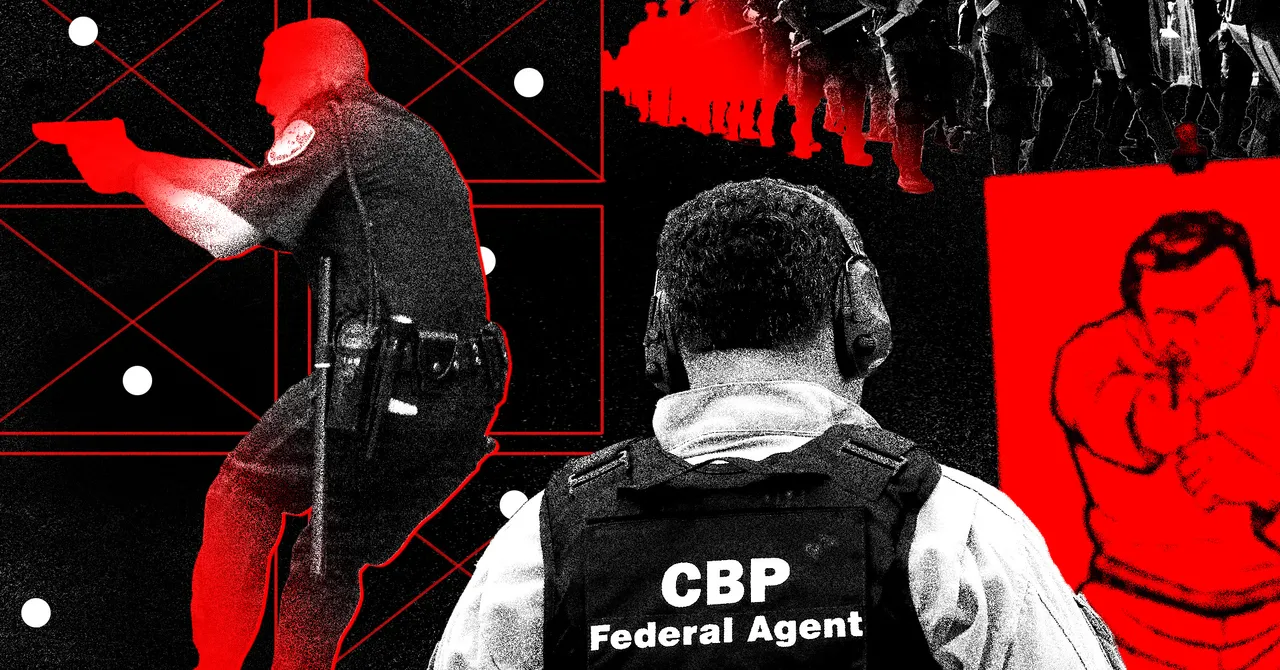

The Controversial Figure Behind ICE’s Paramilary Training: A Deeper Look Into David S. Norman and TruKinetics
In a revelation that has sparked widespread debate over the training protocols of U.S. immigration enforcement agencies, David S. Norman, founder of Arizona-based law enforcement training firm TruKinetics LLC, has come under scrutiny for his involvement in multiple officer-involved shootings during his tenure as a Phoenix police officer. Norman, who trained paramilitary units within Immigration and Customs Enforcement (ICE) and Customs and Border Protection (CBP), testified in a 2021 deposition that he was involved in at least four fatal shootings while on duty. The revelations, unearthed in a lawsuit reviewed by WIRED, raise critical questions about the standards and ethics governing the training of federal agents tasked with enforcing immigration laws.
A Troubled Past in Law Enforcement
David S. Norman’s career in law enforcement spans over two decades, beginning in the late 1990s and culminating in his retirement from the Phoenix Police Department in 2020. According to records, Norman was involved in six shootings during his time as an officer, four of which resulted in fatalities. In every instance, the Phoenix Police Department stated that Norman fired on armed suspects, with exchanges of gunfire occurring in at least two of these incidents.
Norman’s deposition, part of a lawsuit filed in 2020, sheds light on his time with the department’s Special Assignments Unit, a plainclothes fugitive apprehension team that he described as having evolved into a SWAT-like unit. He served as a “point cover” man and occasionally trained fellow officers on pistol usage. Norman’s tenure as a police officer was marked by a self-described aggressive approach to policing. In a 2021 episode of The Modern Cop podcast, he referred to himself as “a fucking savage” who actively sought out high-risk situations.
Founding TruKinetics and Training Federal Agents
After retiring from the Phoenix Police Department in 2020, Norman founded TruKinetics LLC, a Gilbert, Arizona-based company specializing in advanced law enforcement training. The firm offers courses in small-team tactics, hostage rescues, close-quarters combat, sniper tactics, and even breaching techniques using explosives. According to government procurement records reviewed by WIRED, TruKinetics secured a $27,748 contract to conduct a mandatory 40-hour training course for Department of Homeland Security (DHS) Special Response Teams (SRTs) at Fort Benning, Georgia.
The SRTs, composed of agents from ICE’s Homeland Security Investigations division and Enforcement and Removal Operations units, as well as CBP’s Office of Field Operations, undergo annual training to prepare for high-risk operations. Norman’s company has worked with SRTs from Arizona’s Homeland Security Investigations office, with Norman describing the agents as “top dudes” and expressing pride in collaborating with them. However, he declined to provide specifics about the nature of the training, dismissing questions as indicative of a “hit piece” on Homeland Security Investigations.
Instagram Posts and “Kill House” Training
In August 2024, TruKinetics posted photographs on Instagram showing Norman and three trainers posing alongside 19 uniformed operators from HSI’s Arizona SRT in a simulated “kill house” training environment. These facilities, designed to mimic close-quarters combat scenarios, are filled with obstacles and targets to prepare operators for high-stress situations. While the images highlight the intensive nature of the training, they also underscore the militarized approach increasingly employed by federal immigration enforcement agencies.
Expanding Role of Special Response Teams
Originally reserved for high-risk operations such as armed suspect apprehensions and dangerous building entries, SRTs have seen their role expanded to include civil immigration enforcement, crowd control, and routine warrant service. This shift has drawn criticism from advocacy groups and legal experts, who argue that such tactics are disproportionate to the tasks at hand.
Two notable incidents involving SRTs have fueled public outrage. Renee Good and Alex Pretti, both protesters killed during federal immigration surges in Minnesota, were reportedly shot by SRT members. These deaths have reignited debates over the use of force by immigration enforcement agencies and the adequacy of their training programs.
Ethical Concerns and Public Scrutiny
Norman’s background and self-described aggressive policing philosophy have raised concerns about the training philosophies imparted to federal agents. Critics argue that his history and approach may contribute to a culture of excessive force within SRTs. The U.S. spending records indicate that TruKinetics’ training programs have reached at least 700 SRT agents, amplifying worries about the broader implications of his influence on federal law enforcement practices.
A Balanced Perspective
While advocates of stringent immigration enforcement emphasize the necessity of specialized training for SRTs, opponents highlight the risks of militarizing routine operations. The revelation of Norman’s involvement in fatal shootings and his controversial statements underscores the need for transparency and accountability in the training of federal agents.
As the debate over ICE and CBP’s operational tactics continues, the role of private contractors like TruKinetics and the ethical standards they uphold remain critical points of contention. The question of who trains America’s immigration enforcement agencies—and what they are trained to do—will likely remain a focal point of public discourse in the years to come.
In a world where the line between law enforcement and military tactics increasingly blurs, the story of David S. Norman and TruKinetics serves as a stark reminder of the complexities and consequences of modern policing. Whether this controversy will lead to reform or further entrench existing practices remains to be seen.
