



Japan’s Yen Hovers Near Multi-Decade Lows as Investors Await Potential Intervention and BOJ Policy Shifts
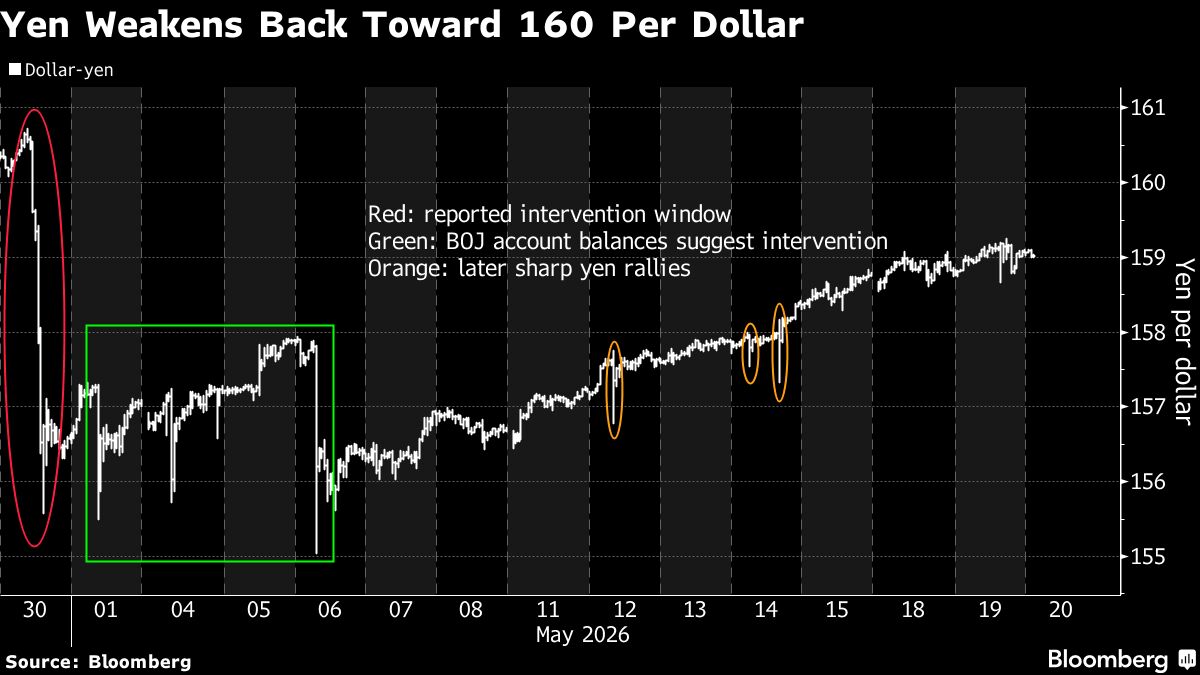
As the Japanese yen teeters near its weakest level against the U.S. dollar in over three decades, global investors are closely monitoring the currency’s trajectory, weighing the risks of further depreciation against the potential for central bank intervention. RBC BlueBay Asset Management, a leading global investment firm, recently disclosed it has added to its long yen positions this week, citing the currency’s current levels as increasingly attractive. The yen’s slide toward 160 per dollar has reignited speculation about whether Japanese authorities will step in to stabilize the currency while also raising questions about the Bank of Japan’s (BOJ) next moves as it navigates a delicate balance between stimulating economic growth and combating inflation.
Yen’s Decline: A Broader Context
The yen’s decline is part of a broader trend that has seen the currency steadily lose ground against the dollar over the past two years. This weakness has been driven by a combination of factors, including the BOJ’s ultra-loose monetary policy, which has kept interest rates near zero, and the U.S. Federal Reserve’s aggressive tightening cycle, which has bolstered the dollar’s appeal. In recent months, the yen’s depreciation has accelerated, with the currency breaching the 150-per-dollar mark in 2023 and now approaching the critical 160 threshold, a level not seen since 1990 during the aftermath of Japan’s asset bubble collapse.
For Japanese policymakers, the yen’s slide presents both opportunities and challenges. A weaker currency can boost exports by making Japanese goods more competitive globally, supporting the country’s export-driven economy. However, it also raises the cost of imports—particularly energy and raw materials—exacerbating inflationary pressures and squeezing household budgets. These dynamics have put the BOJ under increasing pressure to adjust its monetary stance, with many analysts predicting a potential rate hike at its upcoming policy meeting in June.
Investor Sentiment and Strategic Moves
Amid this backdrop, investors like RBC BlueBay Asset Management are positioning themselves to capitalize on the yen’s current weakness. In a statement this week, the firm noted that it views the currency’s levels as increasingly attractive, particularly given the likelihood of intervention by Japanese authorities and the anticipated shift in BOJ policy. “We believe the yen is approaching a turning point,” said Mark Dowding, Chief Investment Officer at RBC BlueBay. “The combination of potential intervention and a rate hike in June creates a compelling case for taking long positions.”
The idea of central bank intervention has been a recurring theme in discussions about the yen’s trajectory. Japanese officials have historically stepped into currency markets to stabilize the yen during periods of extreme volatility. In 2022, for example, the Ministry of Finance intervened directly by selling dollars and buying yen after the currency plunged to a 24-year low. While such interventions can provide short-term relief, they are often seen as temporary fixes unless accompanied by broader policy changes.
The BOJ’s Delicate Balancing Act
The Bank of Japan’s next moves will be critical in determining the yen’s future direction. Unlike its counterparts in the U.S. and Europe, which have aggressively raised interest rates to combat inflation, the BOJ has maintained its ultra-accommodative stance, prioritizing economic recovery and financial stability. This divergence in monetary policy has been a key driver of the yen’s depreciation.
However, mounting inflationary pressures and the yen’s ongoing weakness have forced the BOJ to reconsider its approach. In March, the central bank ended its negative interest rate policy for the first time in eight years, signaling a cautious shift toward normalization. Many analysts now expect further tightening, with a rate hike in June increasingly seen as a possibility. “The BOJ is walking a tightrope,” said Naomi Fink, Global Strategist at Nikko Asset Management. “On one hand, it needs to support the economy and ensure financial stability. On the other hand, it must address inflationary pressures and stabilize the currency.”
Global Implications of Yen Weakness
The yen’s weakness has implications beyond Japan’s borders. As one of the world’s most traded currencies, fluctuations in the yen can ripple through global markets, affecting everything from trade flows to investment strategies. For international investors, a weaker yen can make Japanese assets more attractive, boosting demand for equities and real estate. At the same time, it can exacerbate volatility in currency markets, particularly if Japanese authorities intervene aggressively.
For Japan’s trading partners, the yen’s slide presents a mixed picture. While it could make Japanese exports more competitive, it could also lead to accusations of currency manipulation, particularly from countries with large trade deficits with Japan. The U.S. Treasury, for example, has long monitored currency practices in its trading partners, and a sustained decline in the yen could draw scrutiny from policymakers in Washington.
Looking Ahead: A Pivotal Moment for the Yen
As the yen hovers near the 160-per-dollar mark, all eyes are on Japanese authorities and the BOJ. Will they intervene to stabilize the currency, or will they allow market forces to dictate its trajectory? Will the BOJ raise rates in June, marking a definitive shift in monetary policy? These questions loom large as investors and policymakers alike prepare for what could be a pivotal moment in Japan’s economic trajectory.
For RBC BlueBay Asset Management and other investors betting on a yen rebound, the calculus is clear: the currency’s current levels present an attractive opportunity, particularly given the potential for central bank action. However, the risks remain significant, as global economic uncertainties and divergent monetary policies continue to shape the currency landscape. Whether the yen will stabilize or continue its slide remains to be seen, but one thing is certain—the coming weeks will be critical in determining its path forward.
In a world of shifting economic winds, the yen’s story serves as a reminder of the delicate balance policymakers must strike in navigating currency markets. As Japan grapples with its challenges, the global community watches closely, aware that the outcome will reverberate far beyond its shores.
