


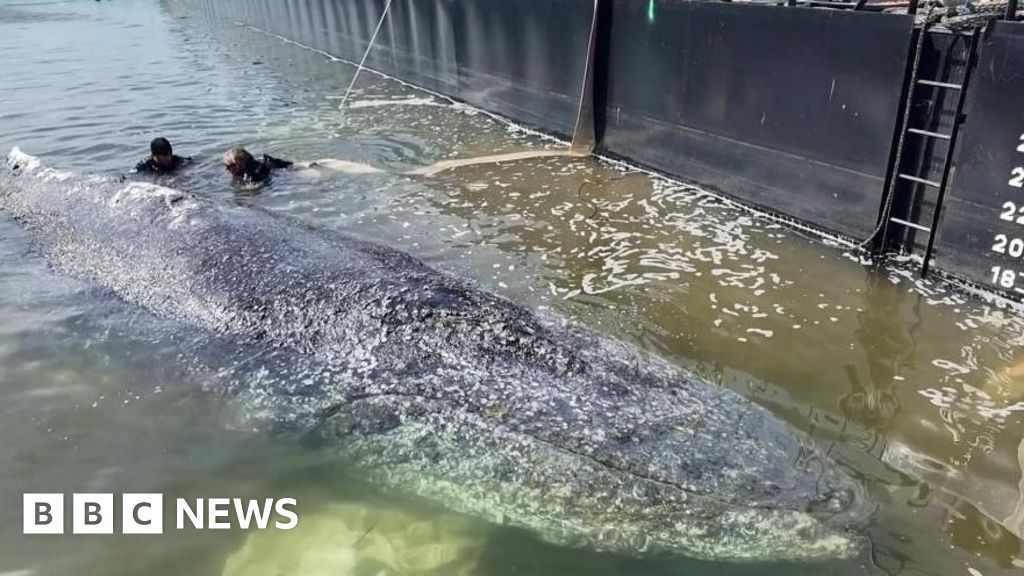

Mystery Surrounds Stranded Whale as Global Experts Scramble for Answers
The eerie silence surrounding the fate of a massive whale stranded on a remote coastline has left marine biologists, environmentalists, and policymakers grappling for solutions. As global attention turns to this unfolding drama, the situation underscores the delicate balance between human intervention and nature’s unpredictability. With no updates on the whale’s removal or a clear timeline for resolution, the incident raises pressing questions about our ability to manage such emergencies in an era of escalating environmental challenges.
The Stranding Incident: A Race Against Time
The whale, whose species remains undisclosed, was discovered stranded earlier this week, sparking immediate concern among local authorities and marine experts. Initial reports suggest that efforts are underway to devise a solution that balances the need for a thorough post-mortem examination with the collection of scientific samples crucial for research. However, the lack of clarity on how or when the whale will be removed has left the public and scientific community in suspense.
Such strandings are not uncommon, but their resolution often hinges on a complex interplay of logistical challenges, environmental conditions, and resource availability. In this case, the absence of updates has fueled speculation about potential complications, such as the whale’s size, location, or ecological sensitivity of the site.
Global Context: Why Whale Strandings Matter
Whale strandings are a global phenomenon, occurring from the coasts of New Zealand to the shores of the North Atlantic. They serve as stark reminders of the interconnectedness of marine ecosystems and the far-reaching impacts of human activity. Climate change, ocean pollution, and underwater noise pollution from shipping and industrial activities are increasingly cited as contributing factors to such events.
The scientific value of studying stranded whales cannot be overstated. Post-mortem examinations provide critical insights into marine health, offering clues about diseases, pollutants, and the effects of climate change on ocean ecosystems. Moreover, the samples collected can contribute to global databases, aiding efforts to protect endangered species and mitigate future strandings.
This incident also highlights the broader challenge of marine conservation in the face of rapid environmental degradation. Whales, as apex predators and keystone species, play a vital role in maintaining the health of marine ecosystems. Their declining populations threaten the delicate balance of oceanic life, with cascading effects on biodiversity and global food security.
The Human Factor: Balancing Science and Sensitivity
As authorities work to address the stranded whale, the situation underscores the ethical dilemmas inherent in such emergencies. While the scientific community emphasizes the importance of post-mortem examinations and sample collection, local communities and environmental advocates often call for a more humane and expedient resolution.
The delay in removing the whale has sparked debate about the adequacy of global protocols for handling such incidents. In many parts of the world, resources for marine rescue and research are limited, leaving authorities ill-equipped to respond effectively. This incident serves as a sobering reminder of the need for international collaboration and investment in marine conservation efforts.
Global Implications: A Call to Action
The stranded whale is more than a local tragedy; it is a microcosm of the broader environmental crises facing our planet. As the world grapples with the twin challenges of climate change and biodiversity loss, incidents like these underscore the urgent need for comprehensive action.
Governments, scientists, and conservationists must work together to develop robust strategies for preventing and responding to marine emergencies. This includes investing in research, enhancing monitoring systems, and fostering public awareness about the importance of marine conservation.
The incident also highlights the need for greater transparency and communication in handling such events. While the complexity of the situation may explain the silence, keeping the public informed is crucial for fostering trust and engagement in conservation efforts.
Conclusion: A Pivotal Moment for Marine Conservation
The stranded whale serves as a poignant reminder of the fragility of our marine ecosystems and the profound responsibility we bear in protecting them. As the world watches and waits for updates, the incident offers a pivotal opportunity to reflect on our relationship with nature and the steps we must take to safeguard our oceans.
In an era defined by environmental uncertainty, the fate of this whale is a call to action—a reminder that the health of our planet depends on the choices we make today. By prioritizing marine conservation and fostering global collaboration, we can ensure that such tragedies are met with swift, effective, and compassionate responses. The time to act is now.
