



Iranian Ambassador Speaks on Diplomacy, Regional Tensions, and Nuclear Talks in Exclusive Interview
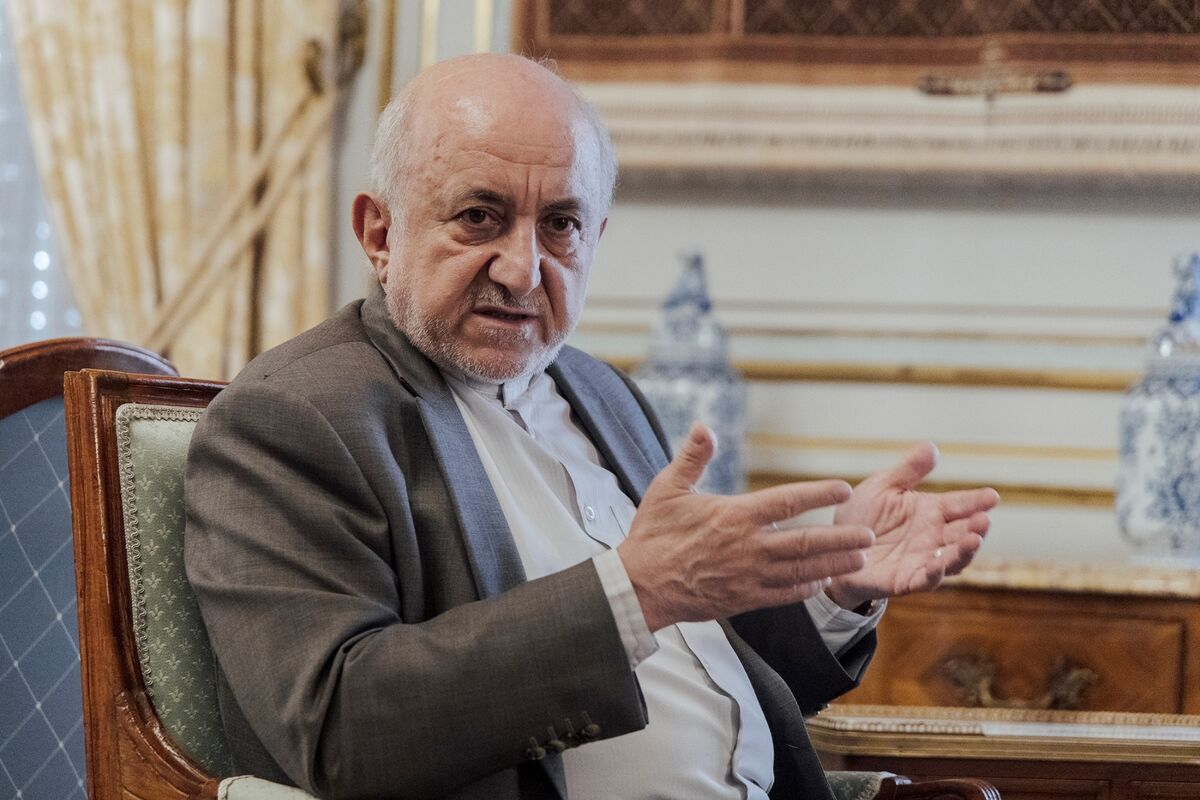
PARIS — Amid escalating tensions in the Middle East and stalled negotiations over Iran’s nuclear program, Iranian Ambassador to France Mohammad Amin-Nejad offered a rare glimpse into Tehran’s diplomatic strategy during an exclusive hour-long interview with Bloomberg News at his official residence in Paris. The meeting comes at a critical juncture for Iran, as the nation grapples with international sanctions, regional instability, and growing concerns over its nuclear ambitions. Amin-Nejad, a seasoned diplomat with decades of experience, provided insights into Iran’s foreign policy priorities, its stance on nuclear negotiations, and its vision for de-escalation in a volatile region.
The interview took place against the backdrop of heightened geopolitical uncertainty. Iran’s relations with Western powers, particularly the United States and European Union, have been strained since the U.S. withdrawal from the 2015 Joint Comprehensive Plan of Action (JCPOA), commonly known as the Iran nuclear deal. The collapse of the agreement, which aimed to curb Iran’s nuclear program in exchange for sanctions relief, has led to a series of diplomatic standoffs, with Iran gradually escalating its uranium enrichment activities in defiance of international pressure. Meanwhile, Tehran’s regional influence has come under scrutiny, with its support for proxy groups in countries like Yemen, Syria, and Lebanon drawing criticism from its Gulf neighbors and Western allies.
Ambassador Amin-Nejad began the interview by emphasizing Iran’s commitment to diplomacy. “Diplomacy remains the cornerstone of Iran’s foreign policy,” he stated. “We believe in dialogue and constructive engagement to resolve disputes, both regionally and internationally.” The ambassador’s comments come as Iran seeks to navigate a complex web of challenges, including economic pressures from sanctions, domestic unrest, and the ongoing fallout from regional conflicts. Despite these hurdles, Amin-Nejad struck a cautiously optimistic tone, expressing hope for renewed dialogue with Western powers.
Nuclear Talks: A Path Forward or Deadlock?
One of the central themes of the interview was Iran’s nuclear program, which has been a flashpoint in its relations with the West. Amin-Nejad reiterated Tehran’s position that it seeks a peaceful nuclear program, dismissing allegations that it aims to develop nuclear weapons. “Our nuclear activities are entirely peaceful and within the framework of international law,” he asserted. “The allegations of weaponization are baseless and politically motivated.”
However, the ambassador acknowledged the stalled progress in reviving the JCPOA, which has been in limbo since the U.S. withdrew under the Trump administration in 2018. While the Biden administration initially signaled a willingness to re-enter the deal, negotiations have repeatedly faltered over issues such as sanctions relief and Iran’s compliance with nuclear safeguards. Amin-Nejad called on the U.S. to demonstrate “sincerity and flexibility” in negotiations, arguing that unilateral sanctions have undermined trust between the two nations.
“The ball is in the U.S. court,” he said. “If they are serious about reviving the JCPOA, they must address the root causes of the current impasse and provide guarantees that they will not abandon the agreement again.” The ambassador’s remarks highlight the deep mistrust that persists between Tehran and Washington, a factor that continues to hinder efforts to restore the nuclear deal.
Regional Tensions and Iran’s Role
Beyond nuclear negotiations, Amin-Nejad addressed Iran’s role in the Middle East, a region marked by protracted conflicts and shifting alliances. He defended Iran’s support for groups like Hezbollah in Lebanon and the Houthis in Yemen, describing them as legitimate resistance movements against foreign intervention. “Iran stands with oppressed peoples who are resisting aggression and occupation,” he said. “Our support is guided by principles of justice and self-determination.”
Yet Iran’s regional activities have drawn sharp criticism from its Gulf neighbors and Western powers, who accuse Tehran of destabilizing the region through its proxy networks. Amin-Nejad rejected these accusations, arguing that Iran’s influence is a response to external threats. “We are not the source of instability in the region,” he countered. “The presence of foreign forces and the sale of advanced weapons to certain countries have fueled tensions and created an arms race.”
The ambassador also touched on the possibility of dialogue with Saudi Arabia, Iran’s longtime rival, following a recent Chinese-mediated agreement to restore diplomatic relations between the two nations. “We welcome any efforts to reduce tensions in the region,” he said, describing the agreement as a “positive step” toward broader reconciliation. However, he cautioned that lasting peace would require addressing underlying grievances and ensuring mutual respect among regional actors.
Economic Challenges and Sanctions
The interview also shed light on the economic pressures facing Iran, which has been hit hard by international sanctions targeting its oil exports, banking sector, and key industries. Amin-Nejad described the sanctions as “unjust and counterproductive,” arguing that they have disproportionately harmed ordinary Iranians while failing to achieve their intended objectives. “Sanctions are not a solution; they are a form of collective punishment that exacerbates human suffering,” he said.
Despite these challenges, the ambassador expressed confidence in Iran’s ability to weather the economic storm through measures such as diversifying trade partnerships and enhancing domestic production. He also called on the international community to recognize the futility of sanctions and embrace dialogue as a more effective means of resolving disputes.
A Diplomat’s Perspective on Global Affairs
Throughout the interview, Amin-Nejad sought to position Iran as a responsible actor on the global stage, emphasizing its contributions to multilateralism and its commitment to international law. He highlighted Iran’s role in combating terrorism, addressing climate change, and promoting cultural exchange, while also calling for greater cooperation among nations to tackle shared challenges.
Yet the ambassador’s tone was not without its moments of pointed critique. He accused Western powers of hypocrisy in their approach to global affairs, citing examples of unilateral interventions and double standards on issues such as human rights and nuclear proliferation. “The West cannot preach principles it does not practice,” he said, urging a more equitable and inclusive global order.
Looking Ahead: Prospects for Diplomacy and Stability
As the interview drew to a close, Amin-Nejad reiterated Iran’s willingness to engage in dialogue but stressed that meaningful progress would require mutual respect and a commitment to resolving differences through peaceful means. “Diplomacy is not a sign of weakness; it is a testament to our belief in the power of dialogue,” he said. “The path to peace is paved with patience, understanding, and compromise.”
The ambassador’s remarks offer a nuanced perspective on Iran’s foreign policy at a time of profound uncertainty. While the road ahead remains fraught with challenges, his emphasis on diplomacy and constructive engagement underscores the potential for dialogue to bridge divides, even in the most polarized of contexts. As the international community grapples with the complexities of Iran’s nuclear program, regional tensions, and economic pressures, Amin-Nejad’s message serves as a reminder of the enduring importance of diplomacy in an increasingly interconnected world.
The path forward may be uncertain, but the need for dialogue has never been clearer.
