


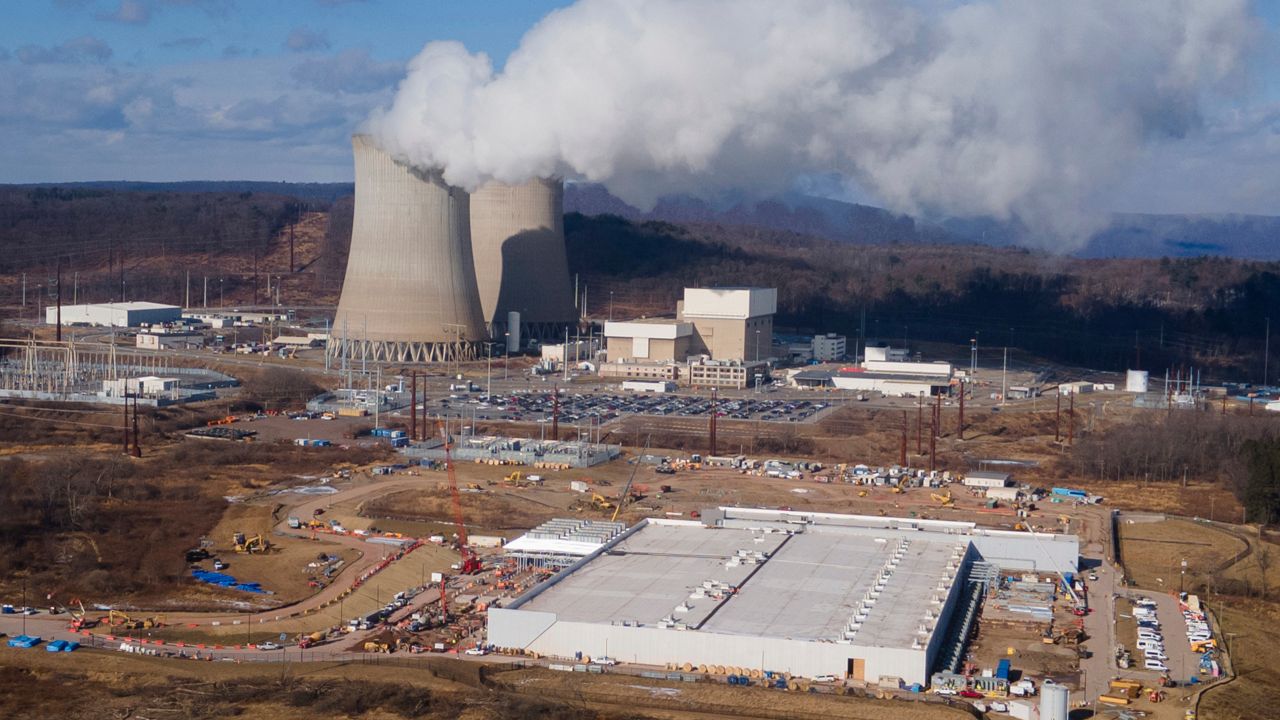

Grafton, Ohio Imposes 5-Year Ban on Data Center Development Amid Growing Statewide Debate
May 20, 2026
GRAFTON, Ohio — The Village of Grafton has officially halted all data center development for the next five years, siding with residents who fear the facilities could disrupt the town’s character and resources. The decision, passed unanimously by the Village Council on May 19, follows months of community feedback and a strong recommendation from Mayor Tim O’Brien.
“Grafton will protect its small-town identity while growing responsibly,” the village declared in a social media statement. The moratorium blocks any new permits or construction for data centers, which have sparked heated debates nationwide over their economic benefits versus environmental and infrastructural costs.
Why Grafton Said No
Local leaders cited concerns over energy demands, water usage, and long-term community impact as key reasons for the pause. Data centers—massive facilities housing computer servers for cloud storage and AI processing—require enormous amounts of electricity and cooling, often straining local utilities.
“This isn’t just about today; it’s about safeguarding our resources and way of life for the next generation,” said Councilwoman Diane Kramer during the meeting.
Ohio’s Broader Data Center Battle
Grafton’s move mirrors a larger clash playing out across Ohio. Earlier this year, Attorney General Dave Yost greenlit a petition for a constitutional amendment that could ban data centers statewide. Meanwhile, lawmakers are advancing multiple bills to regulate the industry:
- HB 706: Forces data centers to cover infrastructure upgrades tied to their energy use.
- SB 378: Makes operators pay for water and sewer system expansions they necessitate.
- HB 646: Creates a commission to study data centers’ economic and environmental effects.
A bipartisan Ohio Joint Data Center Committee was also formed this month to examine the facilities’ impact on power grids, taxes, and local governance.
Residents Push Back
The backlash isn’t unique to Grafton. In nearby Columbus, activists recently rallied against a proposed AI data center, arguing it would drain water supplies and hike energy prices. Similar fights have erupted in Virginia, Arizona, and Oregon, where communities weigh tech-sector jobs against sustainability.
“These centers bring jobs, but at what cost?” said Grafton resident Mark Tolbert. “We don’t want to end up with higher bills and a dried-up aquifer.”
What’s Next?
While the moratorium gives Grafton breathing room, the statewide debate is far from settled. Ohio Senate Democrats have urged Republicans to collaborate on legislation ensuring data centers pay their fair share for grid upgrades and water usage.
For now, Grafton’s decision sends a clear message: Small towns won’t be sidelined in the race for tech infrastructure.
— Reported by Nexio News
