



Walmart Shines Amid Retail Challenges as Intuit and Deere Navigate Turbulent Markets
In a week marked by divergent corporate fortunes, retail giant Walmart has emerged as a standout performer, reporting robust earnings that underscore its resilience in a challenging economic landscape. Meanwhile, Intuit faces headwinds after announcing significant job cuts, and Deere & Co. rides the momentum of its construction and forestry divisions to offset ongoing struggles in agricultural markets. The latest earnings season has painted a vivid picture of how companies across industries are adapting to shifting consumer behaviors, inflationary pressures, and technological disruptions.
Walmart’s Winning Strategy Pays Off
Walmart (WMT) delivered a strong quarterly performance, reaffirming its position as a dominant force in the global retail sector. The company reported solid sales growth, with comparable store sales in the U.S. rising by 3.8% year-over-year, excluding fuel. This growth reflects Walmart’s ability to attract consumers across income levels, thanks to its unwavering focus on low prices, fast delivery, and a wide assortment of products.
The retailer’s success comes at a time when many consumers are tightening their belts amid persistent inflation and economic uncertainty. Walmart’s emphasis on affordability has resonated particularly well with budget-conscious shoppers, enabling it to capture market share from competitors. Its e-commerce segment also saw impressive growth, with online sales surging by 22%. The company’s investments in logistics and technology have allowed it to meet growing demand for convenience, offering services like same-day delivery and expanded pickup options.
Walmart’s CEO, Doug McMillon, attributed the strong results to the company’s ability to adapt swiftly to changing consumer needs. “We’re seeing more customers choose Walmart for their everyday essentials, and our team is delivering the value and convenience they expect,” McMillon said during the earnings call. Analysts have praised Walmart’s strategic execution, noting that its ability to balance price competitiveness with operational efficiency sets it apart in a competitive retail landscape.
Intuit Faces Challenges as It Streamlines Operations
In contrast, Intuit (INTU), the maker of popular tax-preparation software TurboTax, saw its shares tumble after reporting its third-quarter results and announcing a significant restructuring plan. The company revealed that it would cut approximately 1,800 jobs, representing about 17% of its workforce, as it shifts focus toward its AI-powered financial and tax platforms.
The job cuts confirm an earlier Reuters report and reflect Intuit’s broader strategy to streamline operations and invest heavily in artificial intelligence. CEO Sasan Goodarzi emphasized that the company is committed to “reimagining our business to better serve our customers and accelerate innovation.” Intuit’s AI-driven products, such as its AI-assisted TurboTax platform and QuickBooks accounting software, are central to its growth plans.
However, the restructuring announcement overshadowed Intuit’s financial performance. While the company posted a revenue increase of 12% year-over-year, its outlook for the next quarter fell short of analysts’ expectations. The company cited macroeconomic uncertainties and shifting consumer behavior as key challenges. Investors reacted cautiously, sending Intuit’s shares down by nearly 7% in after-hours trading. The news highlights the delicate balance companies must strike between innovation, cost management, and maintaining investor confidence.
Deere & Co. Finds Stability in Construction Amid Agricultural Volatility
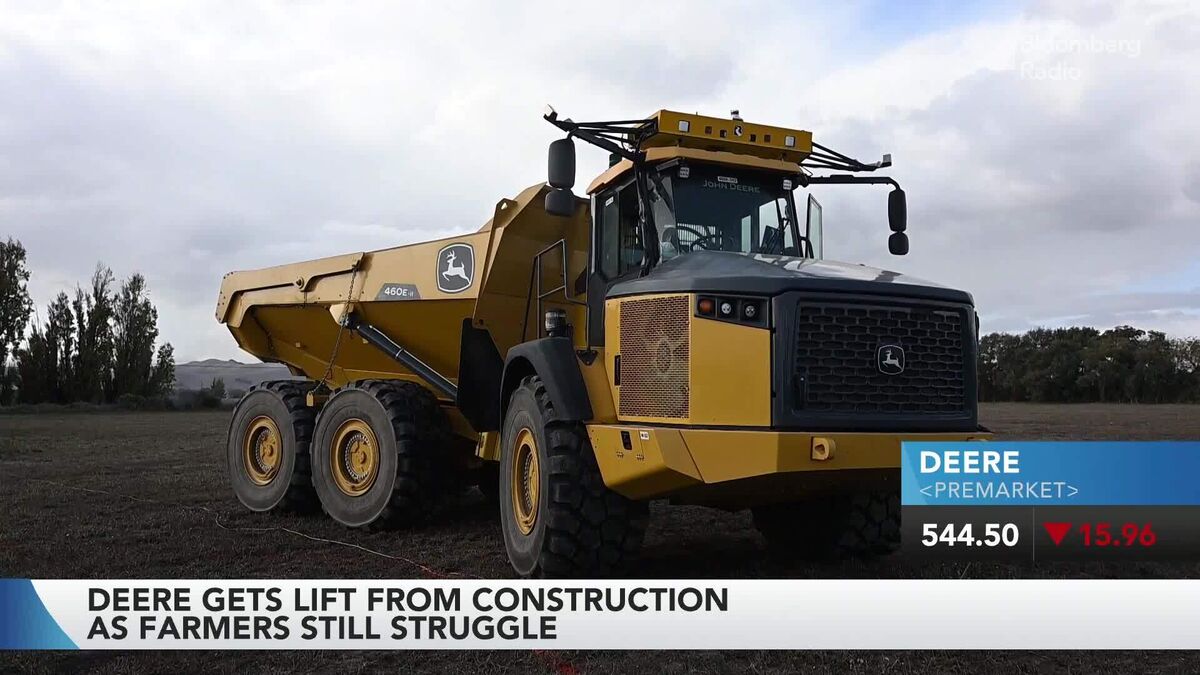
Deere & Co. (DE), the world’s largest manufacturer of agricultural equipment, reported a mixed performance in its latest earnings report. While the company’s agriculture equipment sales faced headwinds due to volatile markets and reduced farmer spending, its construction and forestry segments provided a much-needed boost.
The construction division saw a 14% increase in sales, driven by strong demand for earthmoving and road-building equipment. This growth was fueled by infrastructure investments in North America and Europe, as governments ramp up spending on public works projects. Deere’s forestry business also performed well, benefiting from increased logging activity and demand for sustainable wood products.
However, the agriculture segment continues to weigh on the company’s overall performance. Declining crop prices and rising input costs have dampened farmer sentiment, leading to reduced spending on equipment. Deere’s executives acknowledged the challenges but expressed optimism about long-term growth opportunities. “We remain focused on delivering innovative solutions that help our customers navigate these challenging times,” said John May, Deere’s chairman and CEO.
Analysts noted that Deere’s diversification into construction and forestry has helped mitigate risks associated with its reliance on agriculture. The company’s ability to pivot its resources toward more stable markets underscores its adaptability in an unpredictable economic environment.
Broader Implications in a Shifting Economic Landscape
The divergent performances of Walmart, Intuit, and Deere reflect broader trends shaping the global economy. Walmart’s success highlights the enduring appeal of value-driven retail, particularly in times of economic uncertainty. The company’s ability to leverage its scale and invest in technology has enabled it to stay ahead of competitors, even as consumer spending patterns evolve.
Intuit’s struggles, on the other hand, underscore the challenges faced by companies navigating rapid technological change. While AI-driven innovation holds immense potential, the transition can be costly and disruptive. Intuit’s decision to streamline its workforce signals a commitment to long-term growth, but the short-term pain underscores the risks associated with such transformations.
Deere’s mixed results illustrate the complexities of operating in cyclical industries. The company’s agriculture segment remains vulnerable to external factors like commodity prices and weather conditions. However, its success in construction and forestry demonstrates the value of diversification in mitigating risks and capitalizing on emerging opportunities.
A Balanced Outlook
As corporate earnings season unfolds, the stories of Walmart, Intuit, and Deere offer valuable insights into how businesses are navigating an increasingly complex and volatile economic environment. While Walmart’s emphasis on affordability and convenience continues to resonate with consumers, Intuit’s challenges highlight the growing pains associated with technological innovation. Deere’s ability to balance agricultural volatility with stability in construction and forestry underscores the importance of adaptability.
In an era defined by rapid change and uncertainty, these companies exemplify the diverse strategies businesses are employing to stay competitive. Whether through price leadership, technological transformation, or market diversification, their paths forward reflect the resilience and ingenuity required to thrive in today’s global economy.
