


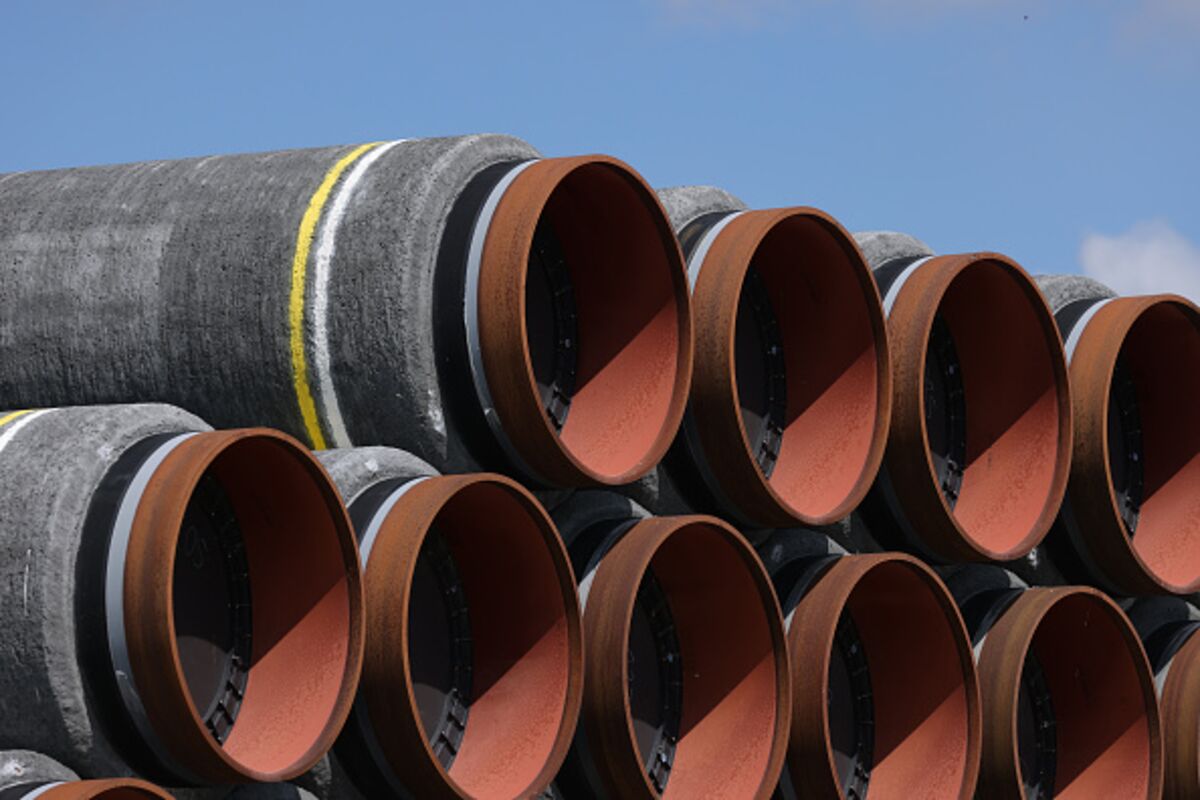

Global Energy Giants Dangote and Ethiopian Investment Holdings Eye Djibouti for Major Oil and Gas Pipeline Project
By [Your Name], International Business Correspondent
DJIBOUTI CITY, DjIBOUTI — In a move that could reshape energy infrastructure in the Horn of Africa, Nigeria’s Dangote Group and Ethiopia’s sovereign wealth fund, Ethiopian Investment Holdings (EIH), have jointly submitted a proposal to develop a multibillion-dollar oil and gas pipeline network through Djibouti. The ambitious project, confirmed by Djiboutian officials this week, signals growing investor confidence in the region’s strategic potential as a trade and energy corridor linking Africa to global markets.
The proposed pipeline—details of which remain under negotiation—would bolster Djibouti’s position as a critical logistics hub while addressing Ethiopia’s urgent need for reliable fuel imports. The landlocked East African nation, home to over 120 million people, currently depends on costly overland fuel transportation from Djibouti’s ports. A dedicated pipeline could slash costs, reduce road congestion, and secure energy supplies for one of Africa’s fastest-growing economies.
Strategic Partnerships and Regional Ambitions
The collaboration between Aliko Dangote, Africa’s richest man, and Ethiopia’s state-backed EIH underscores the project’s high-stakes economic and geopolitical implications. Dangote Group, already constructing the $19 billion Dangote Refinery in Nigeria—set to be Africa’s largest—brings unparalleled expertise in energy infrastructure. Meanwhile, EIH, established in 2021 to manage Ethiopia’s state-owned enterprises, reflects Addis Ababa’s push to attract foreign investment amid economic headwinds, including a debt crisis and foreign exchange shortages.
Djibouti, a nation of just one million people, has long punched above its weight by leveraging its geographic position along the Bab el-Mandeb Strait, a chokepoint for global shipping. The country hosts military bases for the U.S., China, and France, and its ports handle nearly all of Ethiopia’s trade. A successful pipeline deal would further entrench Djibouti’s role as an indispensable regional player.
Energy Security and Economic Calculus
Ethiopia’s energy demands are soaring as its manufacturing sector expands and urbanization accelerates. Yet its reliance on Djibouti’s ports for fuel—transported via truck convoys vulnerable to delays and accidents—has strained supply chains. A 2022 study by the Ethiopian Petroleum Supply Enterprise found that logistical inefficiencies inflated fuel costs by up to 30%, a burden passed on to consumers and industries.
“A pipeline would be transformative,” said Addis Ababa-based economist Sara Yirga. “It would stabilize fuel prices, cut transport emissions, and free up roads for other cargo.” The project could also dovetail with Ethiopia’s broader energy strategy, which includes hydropower exports and renewable energy investments.
For Dangote Group, the venture aligns with its pan-African expansion strategy. The conglomerate, which spans cement, agriculture, and oil, has increasingly targeted infrastructure projects to reduce Africa’s reliance on imported refined products. “Dangote isn’t just building a refinery in Nigeria; he’s building an integrated energy ecosystem across the continent,” noted Rolake Akinkugbe-Filani, a Lagos-based energy analyst.
Challenges and Competition
Despite the optimism, the proposal faces hurdles. Financing the pipeline—estimated to cost several billion dollars—will require complex multilateral agreements, with Djibouti likely seeking partnerships beyond the current consortium. Past regional pipeline projects, such as the mooted Kenya-Uganda oil pipeline, have stalled due to funding disputes and regulatory delays.
Geopolitical tensions could also loom large. Djibouti’s proximity to conflict zones, including Yemen and Somalia, raises security concerns, while rival projects may emerge. In 2023, Ethiopia signed a memorandum with South Sudan to explore an alternative pipeline route through Kenya’s Lamu Port, though progress remains slow.
Environmental scrutiny is another factor. While pipelines are generally cleaner than trucking, activists may oppose construction in ecologically sensitive areas, particularly near the Red Sea’s fragile marine ecosystems.
Global Context: Africa’s Infrastructure Race
The Dangote-EIH bid reflects a broader trend of African nations and private players taking charge of infrastructure development, often sidelining Western firms. China has dominated Africa’s pipeline and rail construction for decades, but homegrown companies like Dangote are increasingly competing for mega-projects.
The Djibouti pipeline could also intersect with global energy shifts. As Europe weans itself off Russian gas, Africa is emerging as a key supplier, with projects like the Nigeria-Morocco gas pipeline gaining traction. A Djibouti-Ethiopia link might eventually connect to these transnational networks, though analysts caution that such visions remain years from fruition.
What’s Next?
Djibouti’s government is expected to review the proposal in the coming months, with feasibility studies and environmental impact assessments likely to follow. If approved, construction could begin by 2026, though timelines hinge on financing and regional cooperation.
For now, the project symbolizes a bold bet on Africa’s integrated future—one where trade barriers fall and energy flows freely across borders. Yet as history shows, even the most promising blueprints must navigate the messy realities of politics, economics, and geography.
As one Djiboutian official put it: “The vision is clear, but the road ahead is long.”
