



Ohio Woman Acquitted of Illegal Voting After BMV Clerk’s Advice
Maria Dearaujo, 63, avoids prison in case that highlights complexities of voter fraud claims
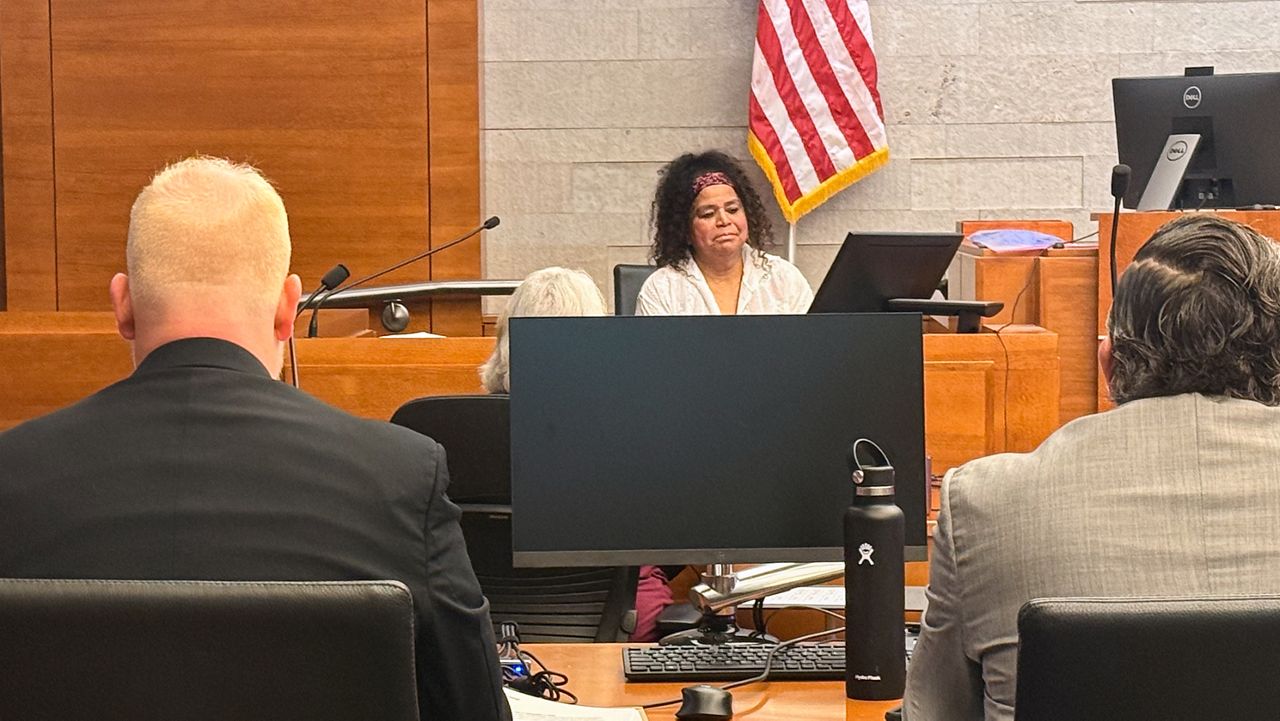
COLUMBUS, Ohio — A federal judge on Tuesday cleared a Brazilian-born Ohio woman of illegally voting in the 2018 election while still a lawful permanent resident, ruling that she was misled by a government employee.
Maria Dearaujo, 63, faced up to 18 months in prison if convicted. But Franklin County Common Pleas Judge Chris Brown sided with her defense team, which argued she had been entrapped by a Bureau of Motor Vehicles (BMV) clerk who encouraged her to register.
“The evidence shows Ms. Dearaujo never intended to vote until a government official told her she could,” said Brown, a Democrat. “This is a textbook case of entrapment.”
Dearaujo, who became a U.S. citizen in 2023, clasped her hands in relief as the verdict was read. “Thank you,” she repeated, addressing both the judge and her public defender, Jason Inman.
A Political Lightning Rod
The case became a flashpoint in Ohio’s heated political climate. Republican Attorney General Dave Yost announced charges against Dearaujo and five others in October 2024, framing it as a crackdown on illegal voting. At the time, Yost was eyeing a gubernatorial run, and his press conference echoed former President Donald Trump’s claims of widespread voter fraud.
But Dearaujo’s trial revealed a more complicated story. She testified that during a 2015 BMV visit, a clerk assured her she could vote despite her immigration status. She cast ballots in 2016 and 2018 before being notified by the Ohio Secretary of State’s office that she was ineligible.
Judge Brown had previously criticized Yost’s prosecution, calling the timing “fishy” and suggesting Dearaujo was being used as a “political prop.”
Yost’s office declined to say whether it would appeal. His spokesperson, Steve Irwin, said only that they were “reviewing the ruling.” Yost is set to resign June 7 to join a conservative legal group.
Federal Risks Remain
Despite the acquittal, Dearaujo may still face legal trouble. Immigration attorney Mark Nesbit warned that federal authorities could challenge her citizenship over discrepancies in her application.
During her 2023 naturalization process, Dearaujo denied ever voting—a claim contradicted by trial evidence. If the U.S. Department of Justice pursues denaturalization, she could potentially face deportation.
“Previous administrations reserved denaturalization for extreme cases,” Nesbit said. “But under Trump’s policies, even minor misstatements can trigger action.”
Dearaujo, who works at a factory and has a son, insists she did nothing wrong. “I don’t feel guilty,” she told reporters.
Broader Implications
The case underscores the challenges of prosecuting noncitizen voting, particularly when government errors play a role. Of the six cases Yost brought, only one has resulted in a conviction—a Canadian man who pleaded no contest. Another defendant was already dead when indicted, prompting outrage from local prosecutors.
Critics argue such prosecutions are politically motivated, while supporters say they deter fraud. Either way, Dearaujo’s acquittal deals a blow to Yost’s high-profile campaign.
For now, she walks free—but with uncertainty still looming.
— Reported by Nexio News
