



British Couple Detained in Portugal After Abandoning Children on Roadside: A Global Look at Child Safety Laws
Dramatic Arrest in the Algarve Sparks International Debate
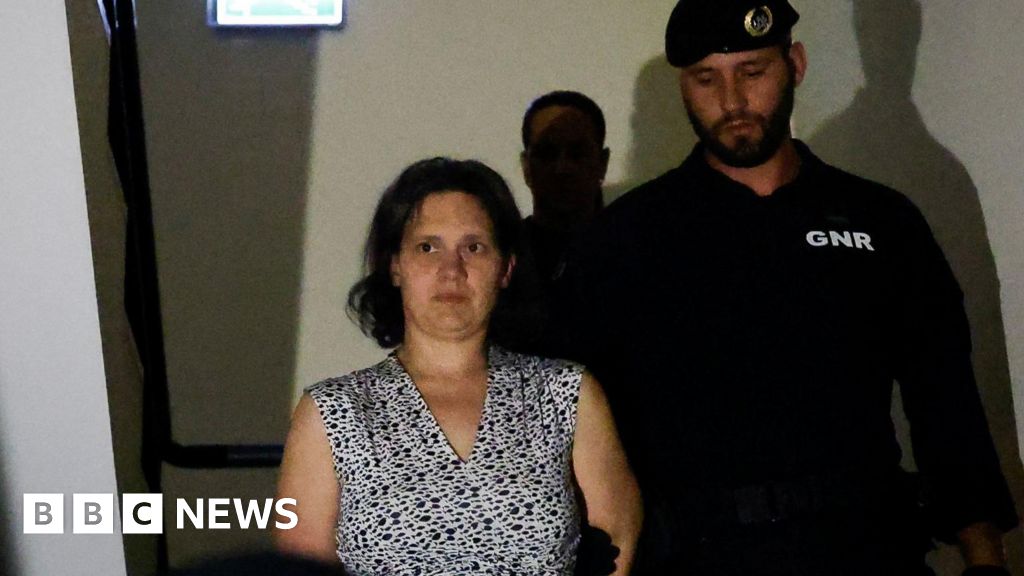
Under the scorching Portuguese sun, a quiet roadside in the Algarve became the scene of an unsettling crime. A British couple, whose identities remain undisclosed, allegedly abandoned the woman’s two young sons by the side of a highway before attempting to flee the country. Portuguese authorities swiftly intervened, detaining the pair as they tried to board a flight. The children, unharmed but traumatized, are now in protective custody. This incident has reignited global discussions on child welfare, cross-border legal accountability, and the vulnerabilities of minors in transient families.
The Incident: A Timeline of Events
According to Portuguese police, the couple was traveling through southern Portugal when an argument escalated. Witnesses reported seeing the two boys—believed to be under 10 years old—left unattended near a remote stretch of road. A passing motorist alerted authorities, triggering a rapid response.
Police located the couple at Faro Airport, where they were attempting to leave the country. Both were arrested on suspicion of child abandonment, a serious offense under Portuguese law. The children were taken into social services care while investigations continue.
Legal Ramifications: How Portugal Handles Child Abandonment
Portugal’s child protection laws are stringent. Under Article 138 of the Portuguese Penal Code, abandoning a minor under 14 carries a prison sentence of up to five years. If harm comes to the child, penalties escalate. The UK, where the couple resides, also enforces strict child neglect laws, raising questions about potential extradition or dual prosecution.
Legal experts suggest this case could test international cooperation. “If the children are British citizens, UK authorities may seek jurisdiction,” said Dr. Sofia Martins, a Lisbon-based family law specialist. “But since the crime occurred in Portugal, local courts will take precedence.”
Global Context: Rising Cases of Child Abandonment
This incident is not isolated. Across Europe, reports of child abandonment have surged, particularly among migrant and expatriate families facing instability. In 2022, Eurostat recorded over 1,200 cases of minors abandoned by guardians in the EU, a 17% increase from pre-pandemic levels. Economic strain, mental health crises, and fractured family dynamics are cited as key factors.
Developing nations face even starker challenges. UNICEF estimates that 140 million children worldwide experience abandonment or neglect annually, with weak legal frameworks often failing to protect them.
Why This Case Matters Beyond Portugal
- Tourist Accountability – With millions of British nationals visiting Portugal yearly, this case highlights the legal risks for travelers. Ignorance of local laws is rarely a defense.
- Cross-Border Child Protection – As families become increasingly mobile, gaps in international child welfare laws persist. The Hague Convention addresses abduction but not neglect.
- Mental Health and Parenting – Experts argue that systemic support for struggling parents could prevent such crises. “Abandonment is often an act of desperation, not malice,” said child psychologist Dr. Elena Torres.
International Reactions and Next Steps
The UK Foreign Office confirmed it is providing consular assistance but declined further comment. Portuguese prosecutors are expected to formalize charges within days. Meanwhile, child advocacy groups urge reforms to streamline cross-border protections for minors.
As the legal process unfolds, this case serves as a grim reminder: in an interconnected world, the safety of children cannot stop at borders.
Conclusion: A Call for Global Vigilance
The image of two young boys left on a deserted road is a chilling one—but it is also a wake-up call. From Portugal’s sunbaked highways to the bustling streets of London, the duty to protect children transcends nationality. As authorities grapple with jurisdiction and punishment, the broader challenge remains: building a world where no child is left behind, in any sense of the word.
For now, the spotlight stays on Portugal, where justice must weigh the fate of two parents against the shattered trust of their children. The verdict will resonate far beyond the Algarve.
