



Ohio Moves Closer to Enacting Stricter Penalties for Killing First Responders
CINCINNATI — A new bill inspired by the tragic death of a Hamilton County deputy is gaining momentum in the Ohio Statehouse, proposing significant changes to how the state handles cases involving the killing of first responders. Known as the Larry Henderson Act, House Bill 372 seeks to eliminate parole eligibility for those convicted of aggravated murder against police officers, military members, prosecutors, and other public servants.
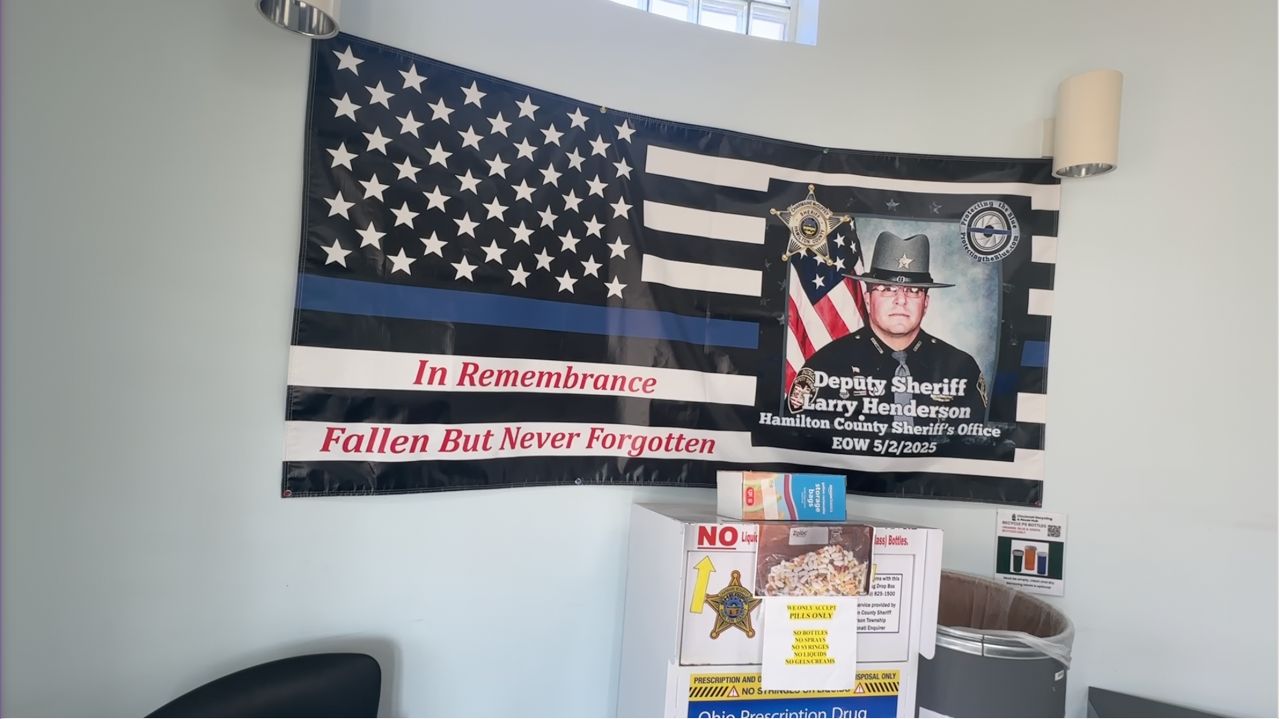
The legislation stems from the heartbreaking loss of Deputy Larry Henderson Jr., who was killed on May 2, 2025, while directing traffic outside the University of Cincinnati’s graduation ceremony. According to investigators, Rodney Hinton Jr. intentionally struck Henderson with his vehicle, ending the deputy’s life in a senseless act of violence.
Henderson’s death sent shockwaves through the Hamilton County Sheriff’s Office and the broader community. Described as a dedicated public servant, Henderson had chosen a life of service from a young age.
“Larry was someone who truly lived to give back,” said Captain Dave Downing of the Hamilton County Sheriff’s Office. “From the moment he joined the force, his commitment to protecting others was unmatched. His loss has left a void that words can’t fully capture.”
In response to Henderson’s death, state lawmakers introduced House Bill 372, which aims to impose stricter penalties for crimes against first responders. Under the proposed law, individuals convicted of aggravated murder in such cases would face either the death penalty or life in prison without the possibility of parole.
State Representative Cindy Abrams, a Republican from Harrison and one of the bill’s primary sponsors, emphasized the necessity of the legislation. “Forty-one states already don’t offer parole for aggravated murder,” Abrams noted. “It’s only fair that Ohio adopts a similar approach for crimes of this magnitude. Those who target our protectors must face the harshest consequences.”
The bill has garnered widespread support from law enforcement organizations, including the Cincinnati Fraternal Order of Police Lodge 69. Ken Kober, the lodge’s president, highlighted the emotional toll parole hearings take on victims’ families.
“Families shouldn’t have to relive their trauma every time a parole hearing comes around,” Kober said. “This bill ensures that justice is served and that those who commit such heinous acts remain behind bars.”
Captain Downing echoed this sentiment, stressing that crimes against first responders are deliberate and deserve severe punishment. “This isn’t an accident. It’s a choice to take a life. Parole shouldn’t even be an option in these cases,” he said.
However, the bill has not been without its critics. Opponents, including Ohio’s public defenders, argue that singling out specific professions for harsher penalties implies that some lives are more valuable than others.
Despite these concerns, House Bill 372 passed the Ohio House with nearly unanimous support and now heads to the Senate for further consideration. If enacted, the legislation would mark a significant shift in Ohio’s approach to punishing crimes against those who dedicate their lives to protecting others.
As the bill moves forward, Henderson’s memory continues to inspire those who knew him and the broader community he served. For his colleagues and loved ones, the Larry Henderson Act represents not only a tribute to his life but also a step toward ensuring that such tragedies are met with the justice they demand.
— Reported by Nexio News
