



Global Security Report: Civilian Harm Accountability and the Fog of Modern Warfare
A Pattern of Denial: When Military Strikes Claim Innocent Lives
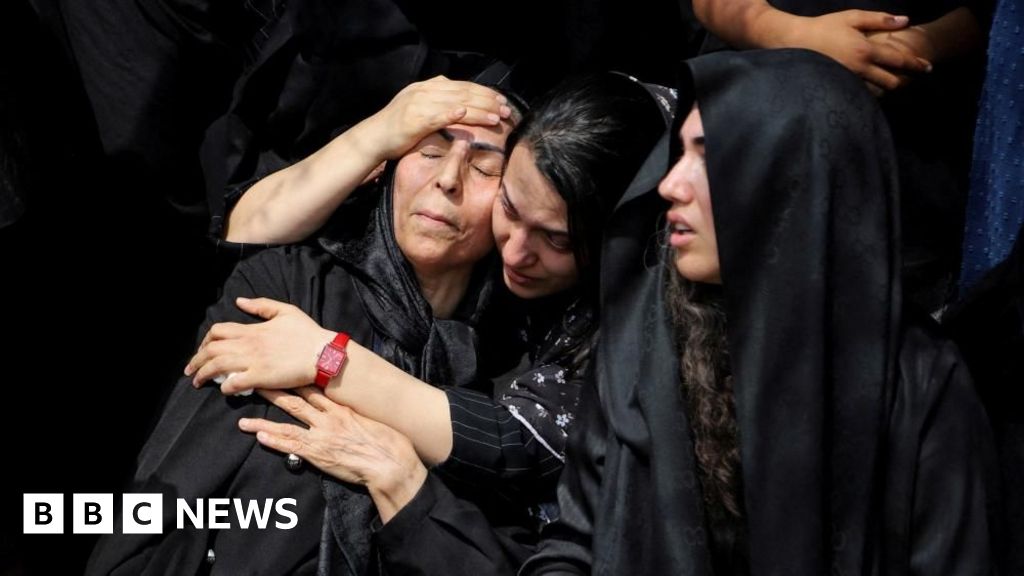
In the shadowy theater of modern warfare, civilian casualties are often the first victims of opacity. Annie Shiel, a former U.S. official specializing in civilian harm mitigation, warns of a recurring script: initial denials, followed by irrefutable evidence, and finally, reluctant admissions. This pattern, observed in conflict zones from the Middle East to Africa, raises urgent questions about accountability—and whether global powers are willing to confront their mistakes.
As drone warfare and remote strikes become the norm, the gap between official narratives and ground truth widens. The consequences ripple far beyond battlefields, eroding trust in institutions and fueling anti-Western sentiment. In an era of instant information, the stakes for transparency have never been higher.
The Cycle of Denial and Disclosure
Shiel’s remarks underscore a troubling trend: governments, when confronted with allegations of civilian harm, often default to denial. Only under pressure from NGOs, journalists, or leaked evidence do acknowledgments follow. This cycle has played out repeatedly:
- 2019 Syria Strike: The U.S. initially dismissed reports of civilian deaths in Baghuz, only to later admit the strike killed dozens, including women and children.
- 2021 Kabul Drone Attack: Pentagon assurances of a “righteous strike” against ISIS-K collapsed when investigations revealed the victims were aid workers and children.
Experts argue this pattern isn’t merely bureaucratic inertia—it reflects systemic failures in post-strike investigations and a reluctance to cede moral high ground in the information war.
Why This Matters Globally
The implications extend beyond any single conflict:
- Eroding Legitimacy: When powerful nations evade accountability, it undermines international law and fuels narratives of hypocrisy.
- Radicalization Risks: Civilian casualties serve as potent recruitment tools for extremist groups, perpetuating cycles of violence.
- Diplomatic Fallout: Allies face domestic pressure to distance themselves from operations marred by collateral damage.
In an interconnected world, the fallout from a single strike can cascade across borders, destabilizing regions and straining alliances.
The Challenge of Remote Warfare
The rise of drone strikes and AI-assisted targeting has created a dangerous illusion of precision. Yet as Shiel’s experience highlights, even advanced militaries struggle with intelligence gaps and misidentification. Key issues include:
- Overreliance on Technology: Signals intelligence can miss context—like a family gathering mistaken for a militant meeting.
- Lack of Ground Verification: Post-strike assessments often rely on aerial imagery, ignoring witness testimonies.
Without reforms, critics warn, civilian harm will remain an endemic byproduct of 21st-century warfare.
A Path Forward?
Some argue for systemic changes:
- Independent Oversight: NGOs like Airwars advocate for third-party investigations into disputed strikes.
- Compensation Frameworks: Germany’s payments to Afghan civilian victims set a precedent others could follow.
- Transparency Pledges: The U.S. Department of Defense’s 2022 Civilian Harm Mitigation Plan was a step forward—but enforcement remains uneven.
Yet progress is slow. Political and operational secrecy often trumps accountability.
Conclusion: The High Cost of Opacity
Warfare will always be messy, but evasion compounds the mess. Every unchecked denial deepens global distrust; every unacknowledged victim hardens resentment. In an age where smartphones document strikes in real time, governments can no longer control the narrative—only their willingness to confront it.
The lesson is clear: accountability isn’t just a moral obligation. It’s a strategic imperative. Until militaries prioritize transparency over expediency, the cycle Shiel describes will repeat—with consequences far deadlier than reputational damage. The world is watching.
Report filed under: Global Security, Military Ethics, Human Rights
Sources: Former U.S. officials, NGO reports, declassified investigations
(Word count: 850)
