


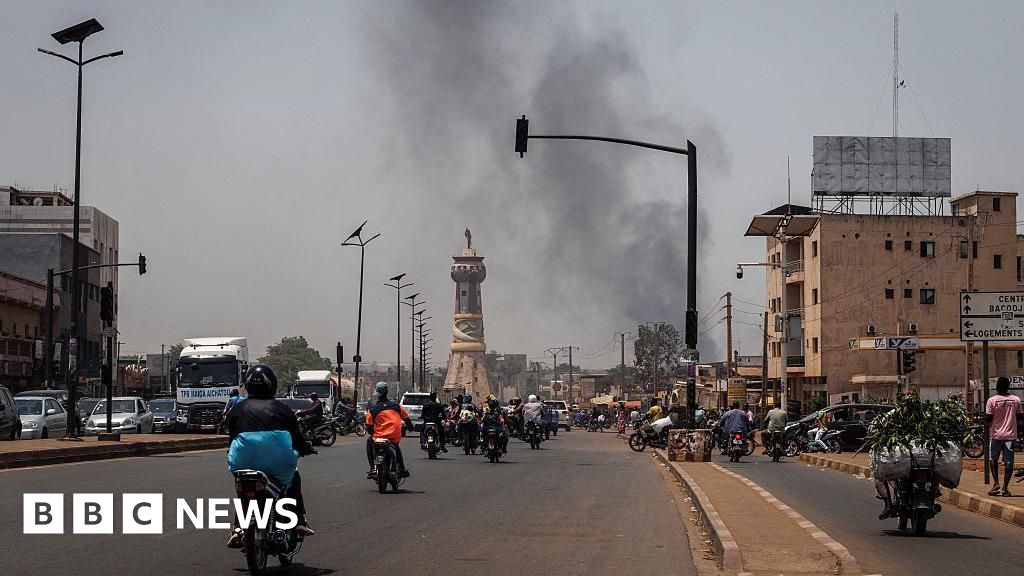

Global Tensions Escalate as UK Warns Citizens Abroad Amid Rising Conflict Risks
A Stark Warning: “Stay at Your Own Risk”
The United Kingdom has issued a chilling directive to its citizens living or traveling in volatile regions: those who choose to remain do so at their own peril. This stark advisory underscores the rapidly deteriorating security landscape in multiple global hotspots, where escalating conflicts and geopolitical instability have forced nations to reassess their diplomatic and evacuation strategies. The warning, echoing similar statements from other Western governments, highlights a world increasingly on edge—where ordinary travelers, expatriates, and business operators could find themselves trapped in sudden crises.
The Broader Context: A World on the Brink
The UK’s advisory is not an isolated move. Over the past year, governments worldwide have been forced to issue urgent travel warnings as tensions flare in the Middle East, Eastern Europe, Africa, and parts of Asia. The war in Ukraine, the Israel-Hamas conflict, coups in West Africa, and rising U.S.-China friction have all contributed to a sense of global fragility.
Experts warn that the current geopolitical climate resembles pre-war periods, where miscalculations or unchecked aggression could trigger wider confrontations. The UK’s cautionary stance reflects a grim reality: in an interconnected world, localized conflicts can spiral into international crises with little warning.
Why This Warning Matters
1. Rising Evacuation Challenges
Modern conflicts are increasingly unpredictable, making traditional evacuation plans unreliable. Recent crises—such as the chaotic U.S. withdrawal from Afghanistan and Sudan’s rapid descent into civil war—have demonstrated how quickly safe exits can vanish. The UK’s blunt language suggests that, in some regions, even diplomatic intervention may not guarantee safety.
2. Economic and Diplomatic Fallout
When nations issue such severe advisories, economic repercussions follow. Business operations stall, foreign investments withdraw, and supply chains face disruptions. Countries dependent on tourism or expatriate labor—such as those in the Middle East and parts of Africa—could see destabilizing financial shocks.
3. A Test of Global Alliances
The UK’s stance also tests international cooperation. Will allied nations coordinate evacuations, or will they prioritize their own citizens? Recent history shows that in extreme scenarios, even close partners may act unilaterally—leaving some stranded.
Global Reactions and Parallel Warnings
The UK is not alone in its caution. The U.S., Canada, Australia, and EU states have all adjusted travel advisories in recent months, particularly for high-risk zones like Lebanon, Niger, and the South China Sea. These warnings often come with explicit instructions: leave now while commercial options exist.
Meanwhile, non-Western powers like China and Russia have also tightened travel guidance, though their advisories frequently carry political undertones. Beijing, for instance, has warned its citizens about “anti-China sentiment” in Western nations—a sign of how travel warnings can also serve as diplomatic tools.
What Comes Next?
With no signs of global tensions easing, governments are likely to expand preemptive advisories. The next flashpoints could include:
- Taiwan Strait: Any Chinese military action would trigger mass evacuations.
- Sahel Region: Ongoing coups and jihadist threats make West Africa increasingly unstable.
- Eastern Europe: A potential Ukrainian counteroffensive or Russian escalation could reignite refugee crises.
For now, the UK’s warning serves as a grim reminder: in today’s fractured world, the luxury of assuming safety abroad is fading fast.
Conclusion: A New Era of Uncertainty
The UK’s stark message—stay at your own risk—is more than just a travel advisory; it is a reflection of a world where conflict and instability are no longer distant possibilities but immediate threats. As geopolitical fault lines deepen, ordinary citizens, businesses, and governments must navigate an era where the rules of security and diplomacy are being rewritten in real time. The question now is not if another crisis will erupt, but where—and whether the world is prepared for the fallout.
