


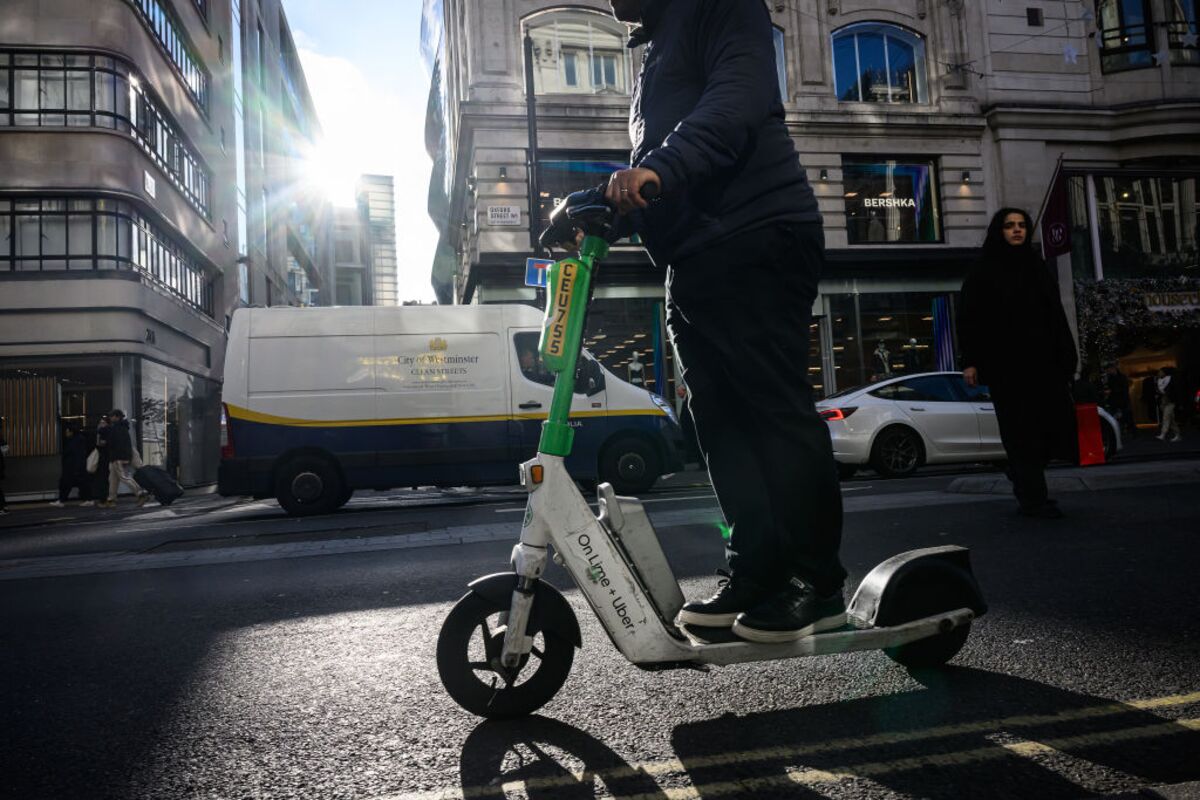

Lime Files for IPO as Micromobility Giant Eyes Public Markets
San Francisco, CA – Lime, the electric bike and scooter rental pioneer, has officially filed for an initial public offering (IPO), marking a pivotal moment for the fast-growing micromobility sector. The company, which has weathered early industry turbulence to emerge as a global leader, revealed strong revenue growth and an expanding user base in its regulatory filings. The move signals both investor confidence in sustainable urban transport and Lime’s ambition to cement its position as a dominant force in the rapidly evolving shared mobility landscape.
From Near-Collapse to IPO: Lime’s Remarkable Turnaround
Founded in 2017, Lime quickly became synonymous with the electric scooter boom, flooding city streets with its signature green vehicles. However, the company faced significant challenges in its early years, including regulatory pushback, safety concerns, and financial instability. In 2020, Lime was forced to lay off staff and exit several markets amid the pandemic’s economic fallout.
Yet, under CEO Wayne Ting’s leadership, the company staged a dramatic recovery. Strategic cost-cutting, improved vehicle durability, and partnerships with city governments helped stabilize operations. By 2023, Lime reported its first full year of profitability—a rare feat in the capital-intensive shared mobility industry. Its latest financial disclosures show revenue surpassing $600 million, with over 40 million registered users across more than 200 cities worldwide.
Why Now? Market Conditions and Investor Appetite
Lime’s IPO filing comes at a time of renewed optimism in the tech and mobility sectors. After a prolonged downturn in tech valuations, public markets are showing signs of recovery, with investors increasingly drawn to companies with clear paths to profitability. Lime’s ability to generate positive EBITDA (earnings before interest, taxes, depreciation, and amortization) makes it an attractive candidate for public investors seeking sustainable growth stories.
The company is also benefiting from broader tailwinds, including:
- Urbanization and traffic congestion, pushing cities to adopt alternative transport solutions.
- Climate-conscious policies, with governments incentivizing low-emission travel.
- Shifting consumer habits, as younger generations favor flexible, app-based mobility over car ownership.
Competitors like Bird—which went public via SPAC in 2021 before filing for bankruptcy—serve as cautionary tales. However, Lime’s focus on operational discipline and asset-light partnerships (such as franchising in some markets) has set it apart.
Challenges Ahead: Regulation, Safety, and Competition
Despite its strong position, Lime’s road to a successful IPO is not without obstacles. The micromobility industry remains highly competitive, with rivals such as Tier, Voi, and Uber-backed Spin vying for market share. Meanwhile, city regulators continue to impose strict caps on fleet sizes and operational zones, forcing companies to adapt to local rules.
Safety concerns also persist. While Lime has invested heavily in rider education and improved scooter stability, accidents involving e-scooters—particularly with pedestrians—remain a contentious issue. The company has faced lawsuits and regulatory scrutiny in multiple markets, though it has countered by introducing geofencing technology and mandatory helmet promotions.
What’s Next for Lime and the Micromobility Sector?
Lime has not yet disclosed its target valuation or IPO date, but analysts suggest it could seek a multibillion-dollar listing, potentially on the Nasdaq. The funds raised are expected to fuel further international expansion, R&D into next-gen vehicles (including seated scooters and cargo e-bikes), and potential acquisitions.
The IPO will also serve as a litmus test for the broader micromobility industry. If successful, it could pave the way for other shared-transport startups to go public, reinforcing the sector’s legitimacy. Conversely, a lukewarm reception might signal lingering skepticism about long-term profitability in shared mobility.
Conclusion: A Defining Moment for Sustainable Transport
Lime’s IPO represents more than just a financial milestone—it underscores the growing role of micromobility in reshaping urban transportation. As cities worldwide grapple with pollution and congestion, companies like Lime offer a glimpse of a cleaner, more efficient future. Yet, whether this future is scalable and sustainable remains to be seen. For now, all eyes are on Lime as it prepares to take its biggest ride yet—onto the public stage.
