



Norovirus Surge Detected in Ashtabula Wastewater, Health Officials Warn
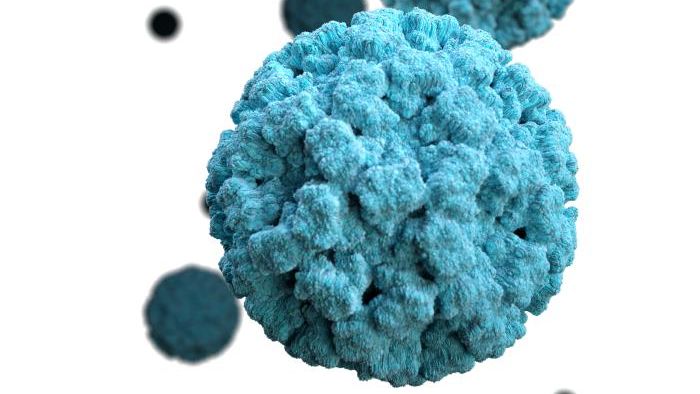
Ashtabula, Ohio — Health officials in Ashtabula are alerting residents to a concerning rise in norovirus levels detected in untreated wastewater, signaling a potential community-wide outbreak. The city’s announcement has raised alarm bells, as norovirus, commonly known as the “stomach bug,” is highly contagious and can lead to severe gastrointestinal symptoms.
The spike in viral concentration was identified through wastewater monitoring, a method increasingly used by health authorities to track infectious diseases. “Increasing viral levels in wastewater often indicate higher community transmission or the possibility of an outbreak,” explained a city spokesperson.
Norovirus is notorious for causing gastroenteritis, an inflammation of the stomach and intestines. Symptoms include intense vomiting, diarrhea, and stomach cramps. While healthy individuals typically recover within a few days, the virus poses significant risks to vulnerable populations such as young children, older adults, and those with weakened immune systems. For these groups, the illness can lead to more severe complications and prolonged recovery times.
The virus spreads rapidly in close-knit environments like schools, daycare centers, nursing homes, and workplaces. Contaminated surfaces, unwashed hands, and exposure to infected individuals are common transmission routes.
Steps to Prevent Spread
To curb the spread of norovirus, health officials are urging residents to take the following precautions:
- Wash hands thoroughly with soap and water, especially after using the bathroom and before eating or preparing food.
- Stay home if sick to avoid spreading the virus to others.
- Clean and disinfect frequently touched surfaces, such as doorknobs, countertops, and bathroom fixtures.
- Handle contaminated items carefully, including washing soiled clothing and linens with hot water.
The Ohio Department of Health emphasizes that while norovirus outbreaks are challenging to control, proactive measures can significantly reduce the risk.
Why Wastewater Monitoring Matters
Ashtabula’s detection of norovirus in wastewater highlights the growing role of this surveillance method in public health. By analyzing untreated sewage, authorities can identify early signs of viral surges before widespread outbreaks occur. This approach has proven particularly useful during the COVID-19 pandemic and is now being adapted to monitor other infectious diseases.
Health officials are also encouraging residents to stay informed about norovirus and its symptoms. Additional resources and guidelines can be found on the Ohio Department of Health’s website.
Community Response
Local schools and healthcare facilities are on high alert, implementing enhanced cleaning protocols and urging staff and students to practice good hygiene. Parents and caregivers are advised to monitor children for symptoms and seek medical attention if dehydration or severe illness occurs.
Ashtabula’s health department continues to monitor the situation closely and will provide updates as more data becomes available. In the meantime, residents are reminded that simple hygiene practices can make a significant difference in preventing the spread of this highly contagious virus.
— Reported by Nexio News
