


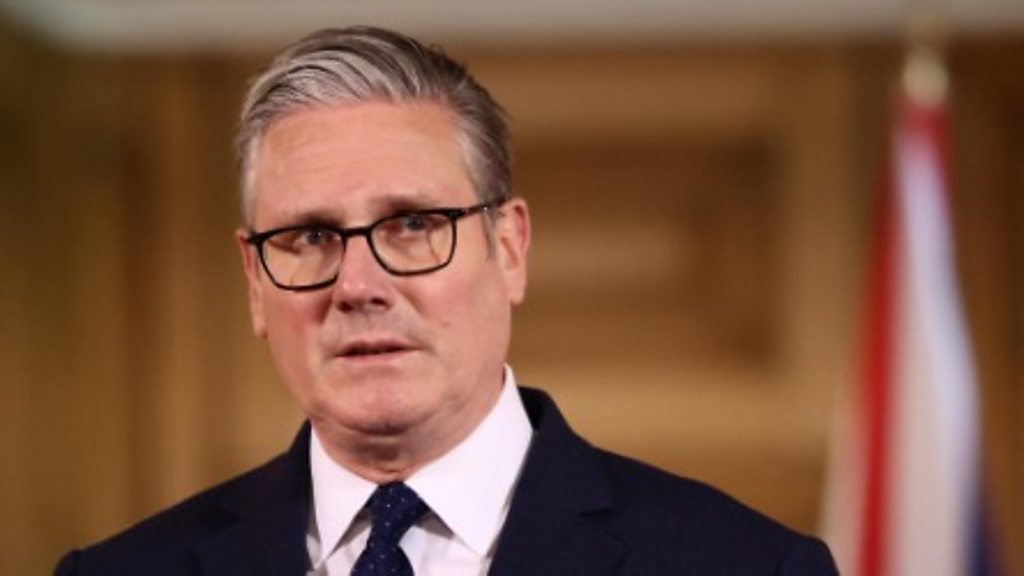

Britain’s Political Turmoil: Starmer Faces Growing Pressure as Labour Stumbles
London, UK — A decade after Brexit, British politics remains trapped in a cycle of instability. Prime Minister Sir Keir Starmer, leader of the left-leaning Labour Party, now faces mounting dissent within his own ranks as critics accuse him of failing to address the nation’s deepening crises—skyrocketing living costs, unchecked immigration, and stagnant economic growth.
Just two years after Labour’s landslide victory, the party suffered heavy losses in recent local elections, ceding ground to populist movements on both the left and right. The results have emboldened internal opponents, with some senior Labour figures privately urging Starmer to resign before the next general election.
A Decade of Chaos
Since the 2016 EU referendum, Britain has churned through six prime ministers, each undone by a mix of self-inflicted missteps and external pressures. Starmer, once seen as a stabilizing force, now risks becoming the seventh casualty. His government’s approval ratings have plummeted amid public frustration over unfulfilled promises, particularly on economic recovery and border control.
The local election defeats were a stark warning. Labour lost key councils to the far-right Reform UK and the left-wing Greens, exposing fractures in Starmer’s coalition. Analysts attribute the losses to voter fatigue with establishment politics and a perception that Labour has drifted from its working-class roots.
Why Starmer’s Leadership is in Jeopardy
Starmer’s critics argue he has been too cautious, delaying bold reforms on housing, healthcare, and energy prices. Meanwhile, inflation remains stubbornly high, and net migration has hit record levels—a flashpoint for voters who backed Brexit to regain control of borders.
“People feel betrayed,” said one Labour MP, speaking anonymously. “We promised change, but all they see is more of the same.”
The prime minister’s allies counter that global economic headwinds—including post-pandemic supply shocks and the Ukraine war—have constrained his options. Yet even sympathetic observers admit Starmer has struggled to communicate a clear vision, leaving voters unsure of his priorities.
Broader Implications
Britain’s political volatility reflects deeper societal divisions. Brexit failed to deliver the promised renewal, and successive governments have been unable to reconcile competing demands: tighter borders versus labor shortages, austerity versus public spending.
If Starmer falls, the Labour Party could fracture further, opening the door for a populist resurgence. The Conservatives, though still unpopular, are regrouping under a new leader, while fringe parties gain traction by capitalizing on disillusionment.
What Comes Next?
Downing Street insists Starmer will stay, but pressure is building. A poor showing in upcoming by-elections could trigger a leadership challenge. For now, the prime minister is scrambling to reset his agenda, with plans to unveil a major economic package next month.
Yet time is running short. With a general election due by early 2025, Starmer must either rally his party or face becoming another footnote in Britain’s post-Brexit chaos. The stakes extend beyond Westminster—another leadership collapse could deepen public cynicism and further destabilize an already fractured democracy.
—Additional reporting by political correspondents in London.
