



Green Councillors Declared Ineligible, Triggering By-Elections
A wave of political uncertainty has swept through local governments in the UK after a significant number of newly elected Green Party councillors were found ineligible to take up their positions. The discovery, which emerged just weeks after the May local elections, has forced councils to announce a series of by-elections, raising questions about candidate vetting processes and the potential for further disruptions.
The issue came to light when several councils identified discrepancies in the nominations of Green Party candidates. In some cases, candidates failed to meet residency requirements, while others were found to have submitted incomplete or inaccurate paperwork. The councils involved have since disqualified the affected councillors, leaving vacancies in wards across multiple districts.
The Green Party has acknowledged the errors and expressed regret over the situation. A spokesperson for the party stated, “We take full responsibility for these oversights and are working closely with local authorities to ensure that all future candidates are properly vetted. We remain committed to representing our communities and winning back the trust of voters.”
This development comes at a critical time for the Green Party, which has been steadily gaining ground in local elections as part of its broader strategy to challenge traditional parties on environmental and social issues. The recent elections saw the party secure a record number of seats, cementing its position as a growing force in British politics. However, the disqualifications threaten to undermine this momentum and could damage the party’s reputation for competence and integrity.
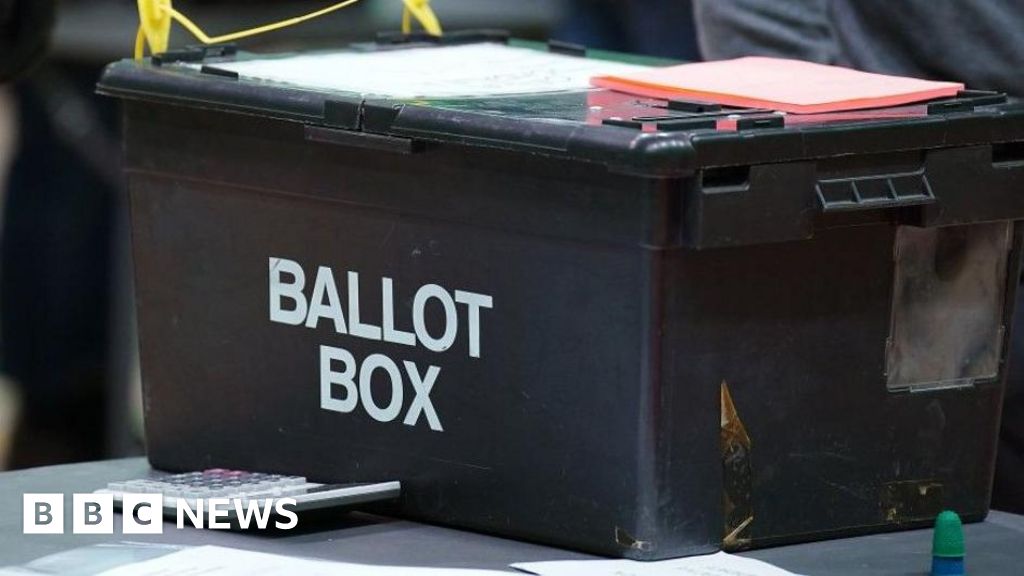
Local councils impacted by the ineligibility rulings are now scrambling to organize by-elections, which are expected to take place in the coming months. The additional costs and administrative burdens have drawn criticism from both opposition parties and council officials. One council leader described the situation as “highly frustrating” and called for a review of nomination procedures to prevent similar issues in the future.
The Green Party’s misstep also highlights broader challenges facing smaller political parties in the UK. Unlike their larger counterparts, smaller parties often lack the resources and infrastructure to thoroughly vet candidates and ensure compliance with electoral regulations. This incident underscores the need for greater support and scrutiny in the nomination process, particularly as voter disillusionment with major parties continues to grow.
Political analysts suggest that the fallout from the disqualifications could have far-reaching implications for the Green Party’s electoral prospects. While the party has built a strong base of support among younger, environmentally conscious voters, this setback may alienate more traditional voters who prioritize stability and competence. The upcoming by-elections will serve as a crucial test of the party’s ability to recover from this crisis and maintain its recent gains.
In the meantime, the affected councils are working to minimize disruptions to local governance. In some cases, temporary appointments have been made to fill the vacant seats, but these interim measures are seen as stopgaps rather than long-term solutions. Residents in the affected wards have expressed frustration over the uncertainty, with some calling for greater transparency and accountability from both the Green Party and local authorities.
As the situation unfolds, attention is turning to the broader implications for UK politics. The disqualifications have reignited debates about the adequacy of current electoral laws and the need for stricter enforcement of nomination requirements. With local elections playing an increasingly pivotal role in shaping national political trends, ensuring the integrity of the process has never been more important.
The Green Party now faces the dual challenge of addressing its internal failings while preparing for a series of high-stakes by-elections. How the party navigates this crisis will likely have a significant impact on its future trajectory and its ability to capitalize on growing public concern over issues such as climate change and social inequality.
For local communities, the coming months will be marked by uncertainty and disruption as they grapple with the fallout from the disqualifications. The outcome of the by-elections will not only determine the composition of local councils but also provide a broader gauge of public sentiment toward the Green Party and its role in British politics. In a time of increasing political fragmentation and voter volatility, the stakes could not be higher.
