



America in the Last 24 Hours: Major U.S. Developments, Decisions and National Implications 02-21-2026
The Rise of El Mencho: A New Face of Global Drug Trafficking
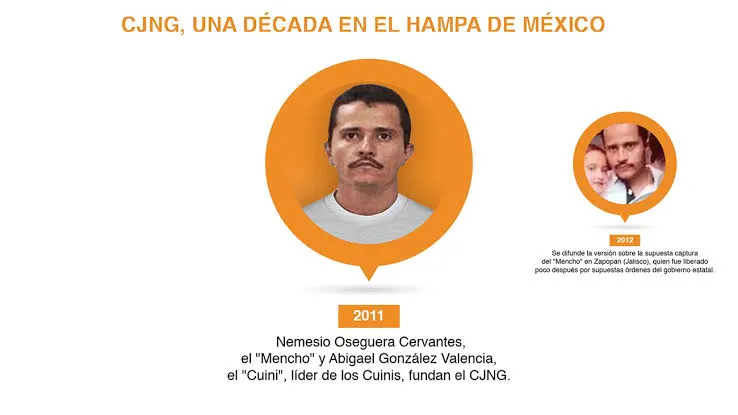
In the shadowy underworld of global crime, a figure has emerged who embodies the shifting dynamics of drug trafficking. Nemesio Oseguera Cervantes, infamously known as ‘El Mencho,’ is not just another name in the annals of organized crime; he represents a new level of brutality and ambition that is changing the landscape of drug cartels not only in Mexico but worldwide. As the leader of the Jalisco New Generation Cartel (CJNG), El Mencho has transformed the organization into one of the most feared and influential criminal syndicates on the planet. His violent ascent to power raises fundamental questions about security, governance, and the effectiveness of global anti-drug initiatives.
A Humble Origin
Born in the rural state of Michoacán, El Mencho’s early life was a study in stark contrasts. Growing up in a poor community, where opportunities were scarce, his rise from these humble beginnings to the helm of one of Mexico’s most dangerous cartels underscores the pervasive challenges faced by many in the region. The socio-economic factors that fueled his path to power illustrate a broader narrative—one that resonates in similar conflict-ridden areas around the globe.
Before he became a household name in criminal circles, Oseguera Cervantes worked as a farmer and later entered the world of organized crime by engaging in petty drug trafficking. His initial forays were unremarkable but set the stage for a significant evolution. The cartel landscape of Mexico at that time was dominated by established players like the Sinaloa Cartel, but El Mencho’s ambition pushed him to carve his niche, leading to the formation of the CJNG in the early 2010s.
A Surge in Violence
The meteoric rise of the CJNG under El Mencho has been marked by unparalleled violence and brutality. The cartel has reportedly employed extreme measures to eliminate rivals, control territory, and intimidate both law enforcement and local populations. Graphic reports of beheadings and public displays of violence have become the hallmark of El Mencho’s operations, transforming areas of Mexico into battlegrounds between competing cartels.
Numerous reports indicate that El Mencho has orchestrated campaigns not only against established rivals but also against Mexican authorities. High-profile assassinations, including those of police officers and government officials, have instilled fear in public institutions, paralyzing their ability to operate effectively. This reign of terror not only destabilizes regions but sets a dangerous precedent for other cartels, igniting a cycle of violence that threatens national and global security.
Global Context: A Threat Beyond Borders
The implications of El Mencho’s power reach far beyond Mexico’s borders. The CJNG has expanded its reach into the United States and other countries, forging alliances with drug traffickers globally. Their involvement in the fentanyl trade, which has decimated communities in America and beyond, makes them a significant player in a world increasingly grappling with the opioid crisis. With the potential adaptation of their violent tactics and business models, the CJNG embodies a concerning evolution in the dynamics of drug trafficking that transcends geographical boundaries.
International law enforcement agencies, including the U.S. Drug Enforcement Administration (DEA), have made capturing El Mencho a top priority. His capture is seen as crucial not only for restoring order in Mexico but also for curbing the flow of deadly substances that wreak havoc on communities worldwide. Despite a bounty of $10 million on his head, El Mencho remains elusive, operating from an intricate network of safe houses and using social media to maintain communication and control his operations. His ability to evade capture while perpetuating violence is emblematic of the broader challenges faced in the fight against organized crime.
Why Does It Matter?
The rise of El Mencho and the CJNG has direct consequences for both regional and international stability. The unprecedented levels of violence in Mexico can lead to widespread displacement and humanitarian crises as civilians flee conflict zones. Further, the cartel’s influence on the global drug trade threatens public health in numerous countries, particularly as fentanyl continues to spread across illicit markets.
Additionally, the interplay between drug trafficking and governance in Mexico creates a volatile environment. As the government grapples with corruption and weak institutions, the CJNG exploits these vulnerabilities, undermining efforts for reform. This situation has broader implications for governance and rule of law, as other nations observe how Mexican authorities struggle to combat organized crime.
Conclusion: A Complex Battle Ahead
As the world watches El Mencho’s descent deeper into the annals of infamy, it becomes increasingly clear that the fight against the CJNG is not merely a local issue but a complex global battle. With each passing day, as violence escalates and the influence of drug cartels spreads, the stakes grow higher. Understanding the socio-economic contexts that foster such figures is essential for shaping more effective policies and responses. Ultimately, only a concerted international effort—rooted in cooperation, intelligence sharing, and community engagement—will yield any hope of dismantling such deeply entrenched networks of crime and restoring safety and order to beleaguered communities.
Source: https://www.bbc.com/news/articles/c1jkw18e19jo?at_medium=RSS&at_campaign=rss
