


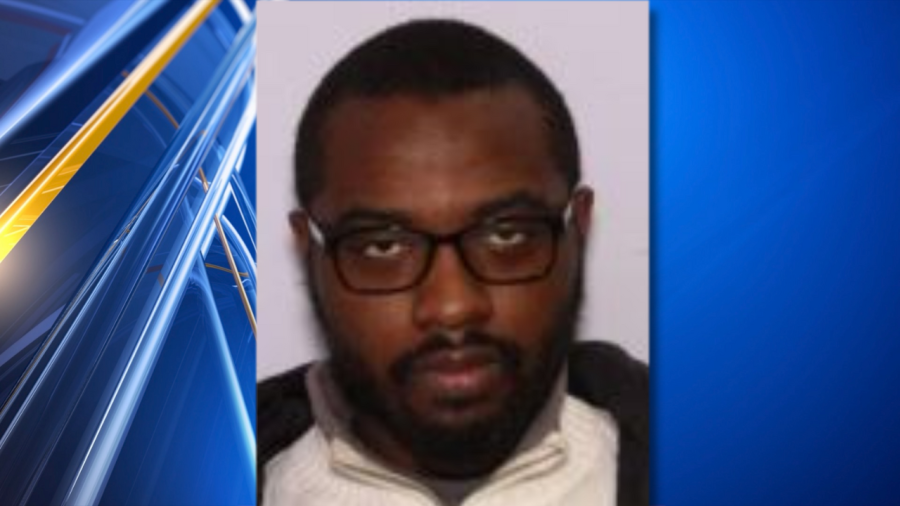

Delaware Man Sentenced to Life in Prison for Parents’ Murder
DELAWARE, Ohio – Mohamed Lamin Kandeh, a 23-year-old man, has been sentenced to life in prison for the 2023 shooting deaths of his parents, rendering a somber moment for the Delaware community. The court handed down the sentence on Monday, granting him the possibility of parole after 39 years, marking one of the most significant criminal cases in the area in recent years.
In December, Kandeh was convicted during a bench trial of four counts of aggravated murder, a decision that underscored the violent reality of domestic abuse and its tragic outcomes. This high-profile case highlights a shocking crime that has disrupted the sense of safety in this suburban community northeast of Columbus.
The Crime and Conviction
Kandeh was arrested following the violent incident that shook his family and close-knit neighborhood. The evidence presented during the trial painted a disturbing picture of a family tragedy, emphasizing the complexities involved in domestic relationships. The prosecutor, Delaware County Prosecutor Melissa Schiffel, argued that Kandeh’s actions demonstrated a profound disregard for human life—his own parents’ lives.
The trial, which was held without a jury, focused on the aftermath of the shooting and Kandeh’s mental state at the time of the crime. In his defense, arguments regarding potential mental health issues were put forward, although they appeared not to sway the bench trial’s outcome. The court ultimately found Kandeh guilty on all counts, determining that the premeditated nature of the crime warranted a severe punishment.
Community Reaction
The sentencing drew mixed reactions from the community, with some expressing relief that justice was served, while others grappled with the emotional trauma left in the wake of such violence. Local resident Mary Thompson described the sensation of disbelief, stating, “It feels surreal to know something so horrific happened just down the street. It’s a tragedy for everyone involved.”
Law enforcement officials have indicated that they will continue to address the underlying issues related to domestic violence in the area. “This case serves as a chilling reminder of the pain that can exist within homes and families,” said Delaware Police Chief Bruce Pijanowski. “We’re committed to raising awareness about mental health and ensuring that resources are available for those who may be struggling.”
The Bigger Picture
This tragic event illustrates the broader issues of domestic violence and mental health that affect communities across the nation. It is estimated that nearly one in four adults in the United States have experienced some form of domestic violence in their lifetime. Such cases often evade public attention until they result in extreme violence, leading to devastating consequences, as demonstrated in the Kandeh case.
Advocacy organizations assert that more needs to be done to provide support and resources for individuals facing domestic challenges. The National Domestic Violence Hotline highlights the critical need for community awareness and accessible mental health services. This unfortunate incident may serve as a catalyst for discussions and initiatives designed to prevent further tragedies.
Future Implications
As Mohamed Kandeh begins his sentence, the haunting implications of this case will likely spur ongoing conversations about preventing domestic violence and addressing mental health crises within families. Given the court’s decision to allow parole eligibility after 39 years, discussions regarding Kandeh’s eventual release may arise, further complicating the conversation about forgiveness, rehabilitation, and the consequences of violent actions.
Mental health experts suggest that this case may open the door for more systemic changes, potentially influencing legislation aimed at enhancing the available support networks for mental health and domestic violence awareness. Moving forward, communities across Ohio and beyond must prioritize providing effective intervention strategies, ensuring that future generations are offered the support they need to prevent such tragedies from recurring.
The Delaware community now faces the long task of healing, not only from the violence but from the realization that such horrors can hide in plain sight, urging vigilance in the pursuit of help for those in need.
