



Ohio Department of Transportation Issues Urgent Warning to Drivers: Do Not Stop on Highways
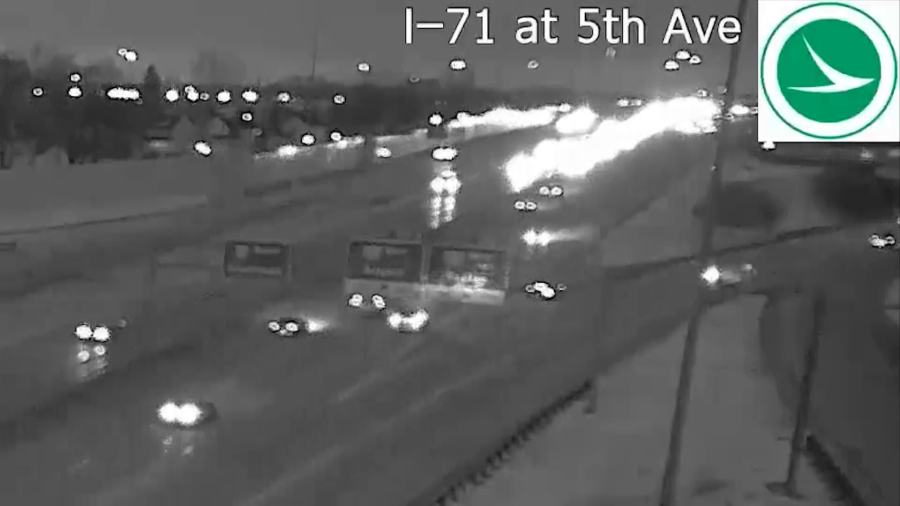
COLUMBUS, Ohio — In a concerning trend that has resurfaced for the second time within a year, the Ohio Department of Transportation (ODOT) is once again urging motorists against the dangerous practice of stopping on highways. A recent incident captured on video Tuesday morning highlighted the perils of this behavior as a car was seen halted in the median on Interstate 71 South at around 6:49 a.m.
The video, shared by an ODOT spokesperson, illustrates not only the recklessness of stopping in traffic lanes but also the chaos it can sow among other drivers. Stopping unexpectedly poses significant risks, triggering a cascade of potential collisions. ODOT officials emphasize that highways are designed for constant flow and should not be treated as areas to halt, even temporarily.
“Stopping on a highway can have life-threatening consequences, not just for the driver but for others sharing the road,” cautioned ODOT’s communications director, Marissa Fickle. “We cannot stress enough the dangers associated with this behavior. It contributes to traffic disruptions and can lead to severe accidents.”
This cautionary alert comes in the wake of a similar warning issued less than a year ago when ODOT reported multiple incidents of motorists stopping on highways, often in futile attempts to navigate their way through the dense traffic. In an age where navigation technology often directs drivers to the fastest routes, the belief that halting on the roadside could provide a solution dangerously miscalculates the realities of highway traffic.
The advisory has grown more pressing amidst a national trend of increased highway congestion. Traffic safety advocates argue that as road use increases, so too does the potential for incidents born out of poor decision-making by drivers. The urge to stop and check maps or communicate with others, although understandable, can prove perilous.
Reasons for stopping on the interstate can range from mechanical failures — such as vehicle breakdowns — to drivers trying to make last-minute decisions when entering exits, as evidenced in the recent footage. The state’s transportation agency has taken proactive measures to combat this dangerous behavior, including the deployment of public service announcements and educational campaigns aimed at improving driver awareness.
As traffic safety remains a growing concern, it’s essential to consider the implications of these reckless stopping incidents. Not only do they heighten the risk of accidents, but they also exacerbate traffic standstills. Authorities report that such stoppages slow response times for emergency services, complicating the management of accidents that may occur as a result.
Beyond the immediate dangers, these warning trends have broader implications for how roadway conditions are perceived in Ohio. As cities across the state grow, the need for continuous education about safe driving practices becomes paramount. With many local highways experiencing increased utilization from urban sprawl, reinforcing the rules of the road cannot be overstated.
“Driving is a shared responsibility,” Fickle added. “It’s essential for all occupants to recognize that decisions made on the highway can impact countless others. Practicing awareness and courtesy while on the road saves lives.”
Looking ahead, ODOT plans to enhance its outreach efforts, incorporating innovative campaigns that leverage social media and partnerships with local organizations focused on public safety. The goal is to cultivate an informed driving community less likely to engage in dangerous behaviors, especially as the summer travel season approaches and highways are expected to be busier than usual.
The agency is also considering enacting stricter penalties for drivers caught stopping on highways, signaling a zero-tolerance approach to this growing concern. The evolving nature of traffic patterns calls for vigilance from both authorities and drivers alike, underlining the necessity of cultivating a culture of safety on Ohio’s roadways.
In conclusion, the Ohio Department of Transportation remains committed to promoting highway safety through education and enforcement. As the visibility of highway incidents continues to rise, so too does the urgency for proactive measures. With collective efforts from both authorities and drivers, Ohio’s highways can become safer, fostering an environment where safe travel is the norm rather than the exception.
