


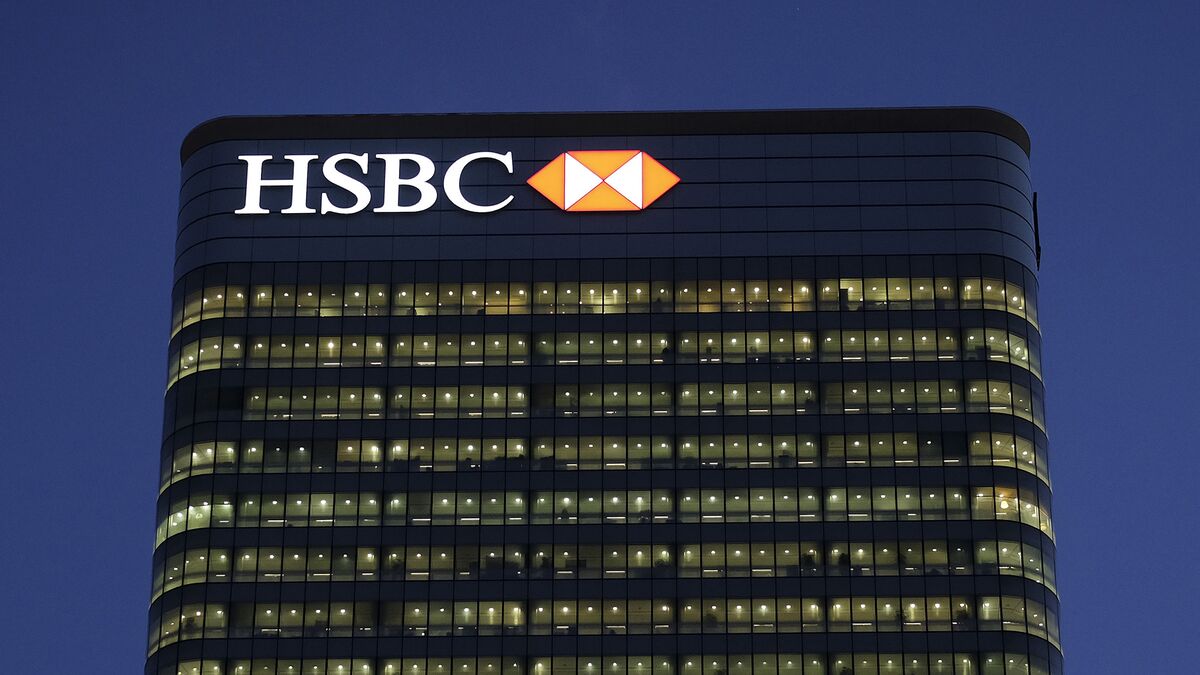

HSBC Falls Short of Forecasts Amid Fraud Charges and Economic Headwinds
Banking Giant’s Q3 Profits Disappoint as Global Challenges Mount
HSBC Holdings Plc, one of the world’s largest banking institutions, reported weaker-than-expected third-quarter earnings as a major fraud charge and growing economic uncertainties weighed on performance. The London-headquartered lender saw its pre-tax profits drop significantly, missing analyst estimates and raising concerns over its near-term outlook in an increasingly volatile financial landscape.
The results highlight the mounting pressures facing global banks, from rising interest rates and inflation to geopolitical tensions and slowing growth in key markets. HSBC’s struggles reflect broader challenges in the banking sector, where institutions must navigate a complex mix of regulatory scrutiny, economic instability, and shifting consumer demands.
Fraud Charge and Rising Costs Dent Earnings
HSBC’s quarterly profit before tax fell to $5.4 billion, down from $6.5 billion a year earlier and well below the $6.2 billion forecast by analysts. The bank attributed much of the decline to a $500 million charge linked to a fraud case involving a now-defunct client in Asia. While the lender did not disclose full details, the incident underscores the risks global banks face in managing compliance and financial crime across multiple jurisdictions.
Additionally, rising operational costs—including higher staff wages and technology investments—further squeezed margins. HSBC’s cost-to-income ratio, a key efficiency metric, worsened to 63.4% from 60.9% a year ago, signaling tighter profitability.
Economic Headwinds Cloud Growth Prospects
Beyond internal challenges, HSBC faces external pressures from an uncertain economic climate. The bank warned of persistent inflation, rising interest rates, and weaker loan demand in key markets such as the UK and China.
- China’s Slowdown: As HSBC’s largest market, China’s sluggish post-pandemic recovery and property sector crisis have dented business confidence. The bank noted softer loan growth and rising bad debt risks.
- UK Mortgage Strain: In Britain, higher borrowing costs have cooled the housing market, reducing demand for mortgages—a key revenue source.
- Global Inflation & Rates: Central banks’ aggressive monetary policies have increased funding costs while squeezing consumer spending.
Despite these hurdles, HSBC benefited from higher global interest rates, with net interest income rising 14% year-on-year to $9.2 billion. However, this was offset by declining fee income and weaker investment banking performance.
Strategic Shifts and Shareholder Pressure
HSBC has been undergoing a major strategic overhaul, pivoting further toward Asia while exiting underperforming Western markets. The bank recently agreed to sell its Canadian division for $10 billion and is exploring options for its struggling French retail operations.
Yet, some investors remain dissatisfied. Activist shareholder Ping An Insurance Group has pushed for a breakup of the bank to unlock value, arguing that spinning off its Asian arm could improve returns. HSBC’s leadership has resisted, insisting that its global network provides stability and long-term growth potential.
Regulatory and Competitive Challenges Ahead
The banking sector remains under intense regulatory scrutiny, particularly concerning anti-money laundering (AML) and fraud prevention. HSBC’s recent $500 million charge is a stark reminder of the financial and reputational risks tied to compliance failures.
Meanwhile, competition is intensifying, with digital banks and fintech firms disrupting traditional banking models. HSBC has invested heavily in digital transformation, but analysts question whether it can keep pace with nimbler rivals.
Market Reaction and Future Outlook
Following the earnings miss, HSBC shares dipped nearly 3% in early London trading. Analysts remain cautious, with some downgrading earnings forecasts for 2024.
CEO Noel Quinn struck a measured tone, acknowledging near-term challenges but emphasizing HSBC’s resilience. “We remain focused on controlling costs and investing in high-growth areas,” he said. “While the environment is tough, our diversified business model positions us well for the future.”
Conclusion: A Test of Resilience
HSBC’s latest results underscore the delicate balancing act global banks must perform—managing short-term financial pressures while adapting to long-term structural shifts. With economic uncertainty showing no signs of abating, the bank’s ability to execute its strategy while maintaining profitability will be closely watched.
For now, HSBC remains a bellwether for the broader banking industry—where risks and opportunities are increasingly intertwined.
