



Krutrim Shifts Focus from AI Models to Cloud Services Amid Growing Challenges in India’s AI Landscape
Bengaluru, India – Krutrim, India’s first generative AI unicorn and a once-promising contender in the race to develop homegrown artificial intelligence models, is pivoting its strategy from AI model development to cloud services. The move underscores the mounting financial and technical challenges of building large-scale AI systems, as well as the increasingly competitive dynamics of India’s burgeoning AI ecosystem. Amid layoffs, product withdrawals, and a noticeable absence from major industry events, Krutrim’s shift signals a recalibration of its ambitions in the face of a rapidly evolving global AI landscape.
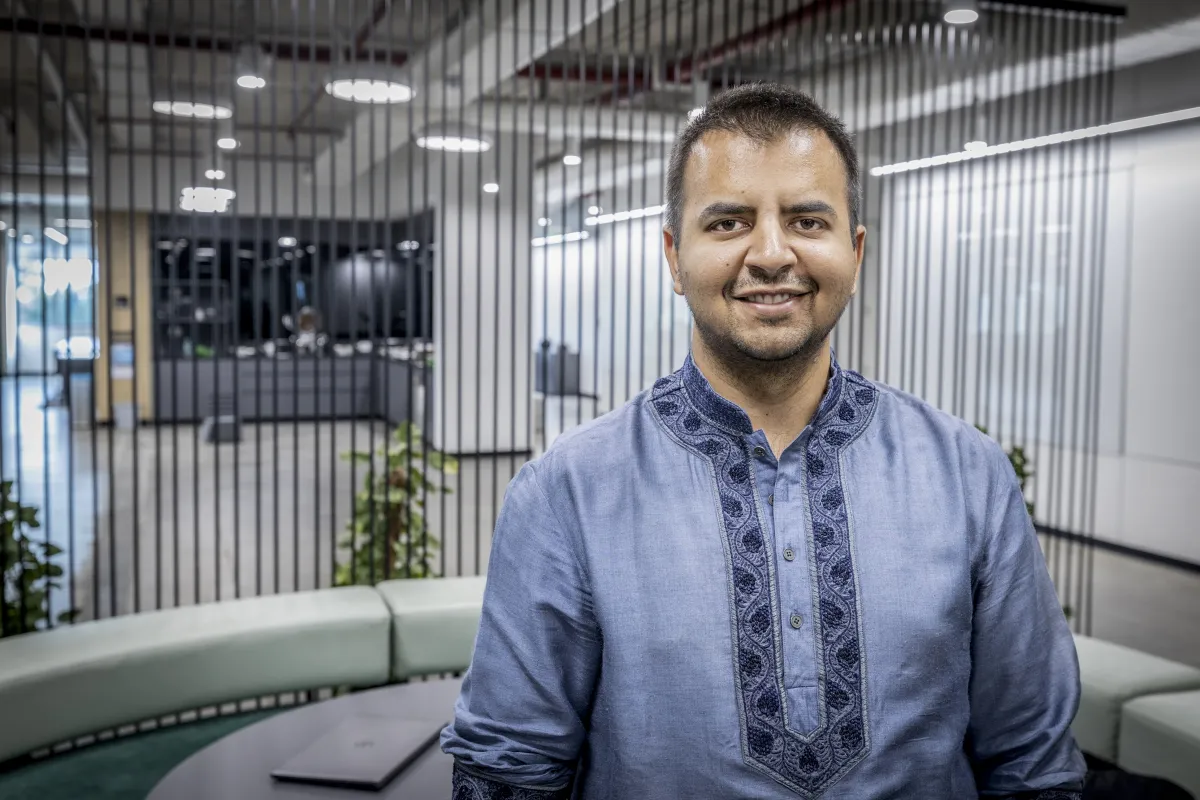
Founded in 2023 by Bhavish Aggarwal, the serial entrepreneur behind ride-hailing giant Ola and electric vehicle manufacturer Ola Electric, Krutrim emerged with lofty ambitions. Positioned as India’s answer to global AI powerhouses like OpenAI, Anthropic, and xAI, the startup aimed to develop indigenous AI models tailored to the country’s unique linguistic and cultural context. Early investor enthusiasm was palpable, with Krutrim achieving unicorn status in January 2024 after raising $50 million at a $1 billion valuation.
However, the journey has been far from smooth. Over the past year, Krutrim has faced significant headwinds, including multiple rounds of layoffs that affected more than 200 employees, according to local media reports. In April 2025, the company quietly pulled its Kruti AI assistant app from app stores, marking a significant retreat from its consumer-facing ambitions. Moreover, its last major product update – the release of its Krutrim-2 base model – came more than a year ago, and the startup has been conspicuously absent from key industry events, including India’s AI Impact Summit in New Delhi earlier this year.
A Strategic Pivot Amid Economic Pressures
On Tuesday, Krutrim announced a strategic overhaul that will see the company transition from AI model development to cloud infrastructure services. This decision follows a late 2025 restructuring that involved reallocating capital and talent, as well as pausing its chip design efforts. The move aligns with broader industry trends, where the high costs of training and maintaining large-scale AI models have forced many startups to seek more commercially viable revenue streams.
“The shift to cloud services is a pragmatic decision,” said Sanchit Vir Gogia, chief analyst at Greyhound Research. “Infrastructure remains a more immediate opportunity in India’s AI market, while the long-term goal of building competitive models continues to pose significant challenges.”
Krutrim claims it has already secured more than 25 enterprise customers across sectors such as telecom, financial services, and healthcare for its cloud services. The company also reported that most of its GPU compute capacity is already committed to external workloads. While these figures suggest growing demand, questions remain about the specifics of Krutrim’s revenue mix and customer base, as the company declined to provide further details.
Financial Performance and Revenue Concerns
Krutrim’s financial performance has been a mixed bag. The startup reported revenues of ₹3 billion (approximately $31.52 million) for the financial year ending March 2026, marking a threefold increase from the previous year. It also announced its first annual net profit, with margins exceeding 10%. However, earlier reports indicated that nearly 90% of its revenue in FY25 came from internal sources within the Ola ecosystem, raising concerns about its ability to attract external customers.
“The standard of proof must rise with the claim,” cautioned Gogia, emphasizing the need for greater transparency in assessing Krutrim’s financial health. “Profitability claims in the AI sector are often scrutinized closely, and Krutrim will need to demonstrate that its revenue growth is sustainable and not reliant on intra-group transactions.”
Rival Strategies and the Broader AI Ecosystem
While Krutrim recalibrates its strategy, rivals such as Sarvam continue to forge ahead with ambitious projects. At the AI Impact Summit, Sarvam showcased new open-source AI models, hardware innovations, and commercial partnerships, including a collaboration with space-tech firm Pixxel to develop an AI-driven orbital data center. Such initiatives highlight the divergent paths emerging in India’s AI sector, with some players focusing on foundational model development and others prioritizing infrastructure.
The broader context of India’s AI landscape also plays a role in Krutrim’s pivot. Despite its status as a global tech hub, India’s AI funding remains dwarfed by that of the United States and China. This disparity has made it challenging for Indian startups to compete on the same scale as international giants, prompting many to explore niche opportunities in areas like cloud services, which require lower upfront investment and offer faster revenue potential.
The Road Ahead for Krutrim
Krutrim’s transition to cloud services represents a significant shift in its business model, one that reflects both the practical realities of the Indian AI market and the company’s internal challenges. While the move may offer a more sustainable path forward, it also raises questions about Krutrim’s long-term vision. Can the company carve out a niche in the competitive cloud infrastructure market, or will it struggle to differentiate itself from established players and nimble rivals?
For now, Krutrim’s focus is on leveraging its existing resources to meet growing enterprise demand for AI cloud services. Whether this pivot will ultimately secure its place in India’s AI ecosystem or mark a retreat from its original ambitions remains to be seen.
As Gogia aptly notes, “Infrastructure may be the more viable near-term play in India’s AI market, even as the longer-term ambition of building competitive models persists.” The story of Krutrim is emblematic of a broader truth in the AI industry: ambition must be tempered by pragmatism, and success often requires adaptability in the face of evolving challenges.
Reporting by [Your Name], Bengaluru
Edited by [Editor’s Name]
Published on [Date]
Closing Line: As Krutrim charts its new course, the Indian AI sector watches closely, navigating the delicate balance between innovation, sustainability, and the relentless pace of technological change.
