


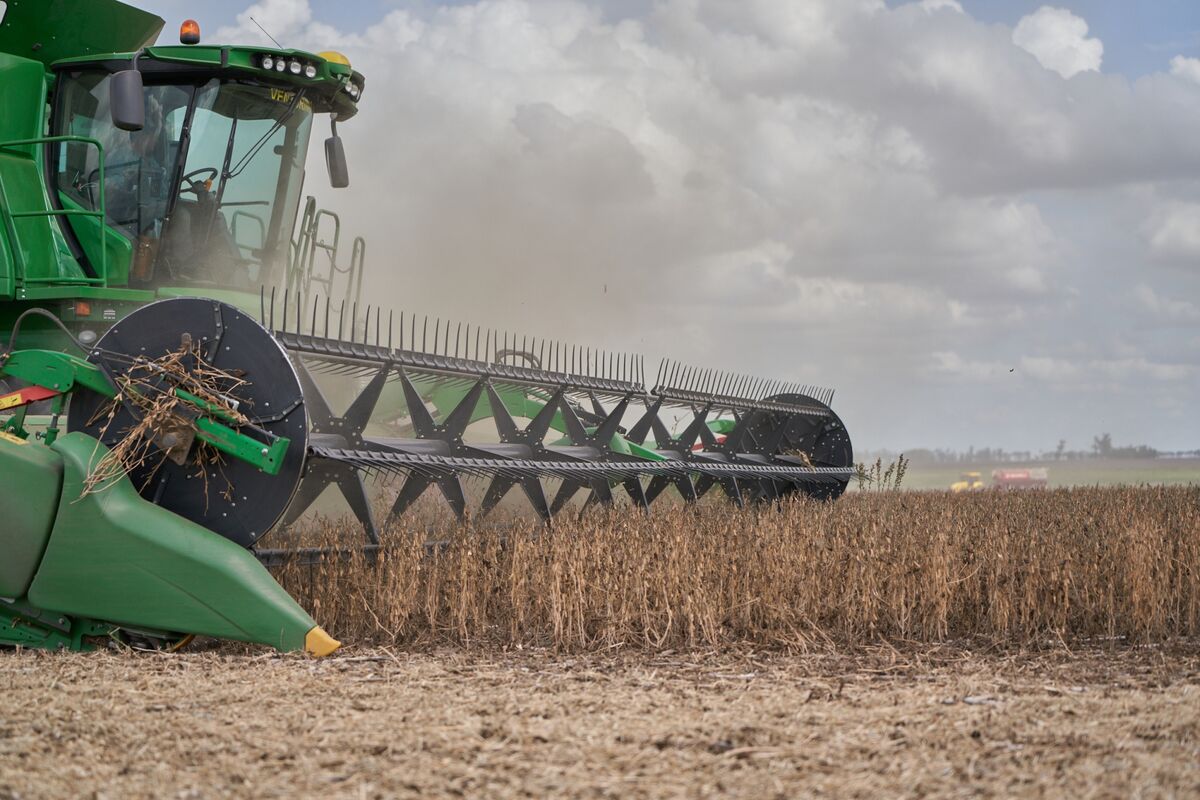

Argentina Faces Soy Export Crisis as Unapproved GM Strain Threatens European Shipments
Argentina, one of the world’s largest exporters of soybeans, is grappling with a potential trade crisis after shipments bound for Europe were found to contain an unapproved genetically modified (GM) soy strain. The discovery has raised fears of widespread rejections of Argentine soy cargoes, threatening the country’s vital agricultural export industry and its trade relationship with the European Union (EU).
The strain in question, known as HB4, is a drought-resistant soybean developed by the Argentine biotech company Bioceres Crop Solutions. While HB4 has been approved for cultivation in Argentina and for import by China, it lacks authorization in the EU, where strict regulations govern the approval and labeling of genetically modified organisms (GMOs). The detection of HB4 in shipments has sparked urgent efforts by Argentine farmers and exporters to isolate the strain and prevent further contamination of soybean supplies destined for Europe.
The Heart of the Crisis
Argentina’s soy industry is a cornerstone of its economy, generating billions of dollars in annual revenue and supporting millions of jobs. Soybeans and soy-derived products, such as soybean oil and meal, are among the country’s top exports, with Europe being a key market. However, the recent discovery of HB4 in shipments has cast a shadow over this critical trade relationship.
The issue came to light when European importers detected traces of the unapproved GM strain in Argentine soy cargoes. Under EU regulations, any food or feed product containing unauthorized GMOs must be rejected and withdrawn from the market. This zero-tolerance policy has left Argentine exporters facing the prospect of widespread shipment rejections, which could disrupt trade flows and damage the country’s reputation as a reliable supplier.
Gustavo Idigoras, president of Ciara-Cec, Argentina’s oilseed processing and export association, confirmed the situation in an interview. He explained that farmers and crushers are taking extraordinary measures to isolate HB4 from the rest of the soybean crop. “We are working hard to ensure that HB4 does not contaminate other shipments,” Idigoras said. “This is a complex logistical challenge, but it’s essential to maintain access to the European market.”
The HB4 Strain: Innovation Meets Regulation
HB4 soybeans were developed by Bioceres Crop Solutions in collaboration with Argentina’s National Scientific and Technical Research Council (CONICET). The strain is engineered to withstand drought conditions, making it particularly appealing to farmers in regions prone to water scarcity. Argentina approved HB4 for cultivation in 2020, and China granted import approval in 2021, marking significant milestones for the biotech company.
However, the EU’s stringent approval process for GMOs has prevented HB4 from gaining import authorization. The bloc requires extensive scientific assessments to ensure the safety of GM products for human health and the environment. Critics argue that the EU’s slow and bureaucratic approval process stifles innovation and creates trade barriers, while proponents maintain that it is necessary to protect consumers and ecosystems.
The detection of HB4 in Argentine shipments highlights the challenges faced by countries exporting agricultural products to the EU. Even small traces of unauthorized GMOs can trigger shipment rejections, forcing exporters to implement rigorous segregation measures. This has become a particularly pressing issue for Argentina, where farmers have increasingly adopted HB4 soybeans due to their resilience in the face of climate change.
Broader Implications for Global Trade
The current crisis underscores the complexities of global agricultural trade, where differing regulatory frameworks can lead to disruptions and disputes. Argentina’s reliance on soy exports makes it highly vulnerable to shifts in international trade policies and market access. The EU’s rejection of HB4-contaminated shipments could have far-reaching consequences, not only for Argentina but also for global soybean markets.
China, the world’s largest importer of soybeans, remains a key market for Argentine soy. However, the EU’s stricter stance on GMOs creates a dual challenge for Argentine exporters, who must navigate divergent regulatory requirements in their major markets. Experts warn that the situation could prompt Argentina to shift its focus toward markets with more lenient GMO policies, potentially reshaping global trade dynamics.
The crisis also raises questions about the future of agricultural biotechnology. While GM crops offer potential benefits such as increased yields and resilience to climate change, their adoption remains contentious in many parts of the world. The EU’s cautious approach to GMOs reflects broader public skepticism, particularly in countries like Germany and France, where environmental and consumer advocacy groups have long opposed GM crops.
Argentina’s Response and Next Steps
In response to the crisis, Argentine authorities are working closely with farmers, exporters, and biotech companies to prevent further contamination of soy shipments. Bioceres Crop Solutions has emphasized its commitment to complying with international regulations and is reportedly collaborating with European regulators to expedite the approval process for HB4.
However, gaining EU authorization could take years, leaving Argentine exporters in a precarious position in the meantime. Some analysts have suggested that Argentina could explore alternative markets or increase domestic processing of soybeans to reduce its reliance on European exports. Others have called for greater international cooperation to harmonize GMO regulations and minimize trade disruptions.
Despite these challenges, Argentina’s soy industry remains resilient. The country’s favorable climate, advanced agricultural technology, and strategic geographic location position it as a leading player in global soybean markets. However, the HB4 crisis serves as a stark reminder of the risks associated with regulatory misalignment and the need for proactive risk management in international trade.
A Glimmer of Optimism
While the situation remains uncertain, there is cautious optimism that Argentina can overcome the current challenges and safeguard its soy exports. By implementing stringent segregation measures and engaging in dialogue with European regulators, Argentine stakeholders hope to restore confidence in the country’s soybean supply chain.
As the world grapples with the dual challenges of climate change and food security, innovations like HB4 soybeans could play a crucial role in ensuring sustainable agricultural production. However, their global adoption will depend on navigating complex regulatory landscapes and fostering trust among consumers and policymakers.
For now, Argentina’s soy industry faces a pivotal moment, balancing the need for innovation with the realities of global trade. The outcome of this crisis will not only shape the future of Argentine agriculture but also influence the broader debate over the role of biotechnology in feeding the world.
Closing Thought: As Argentina works to address this trade crisis, the situation underscores the delicate interplay between innovation, regulation, and international commerce—a balancing act that will continue to define the global agricultural landscape in the years to come.
