


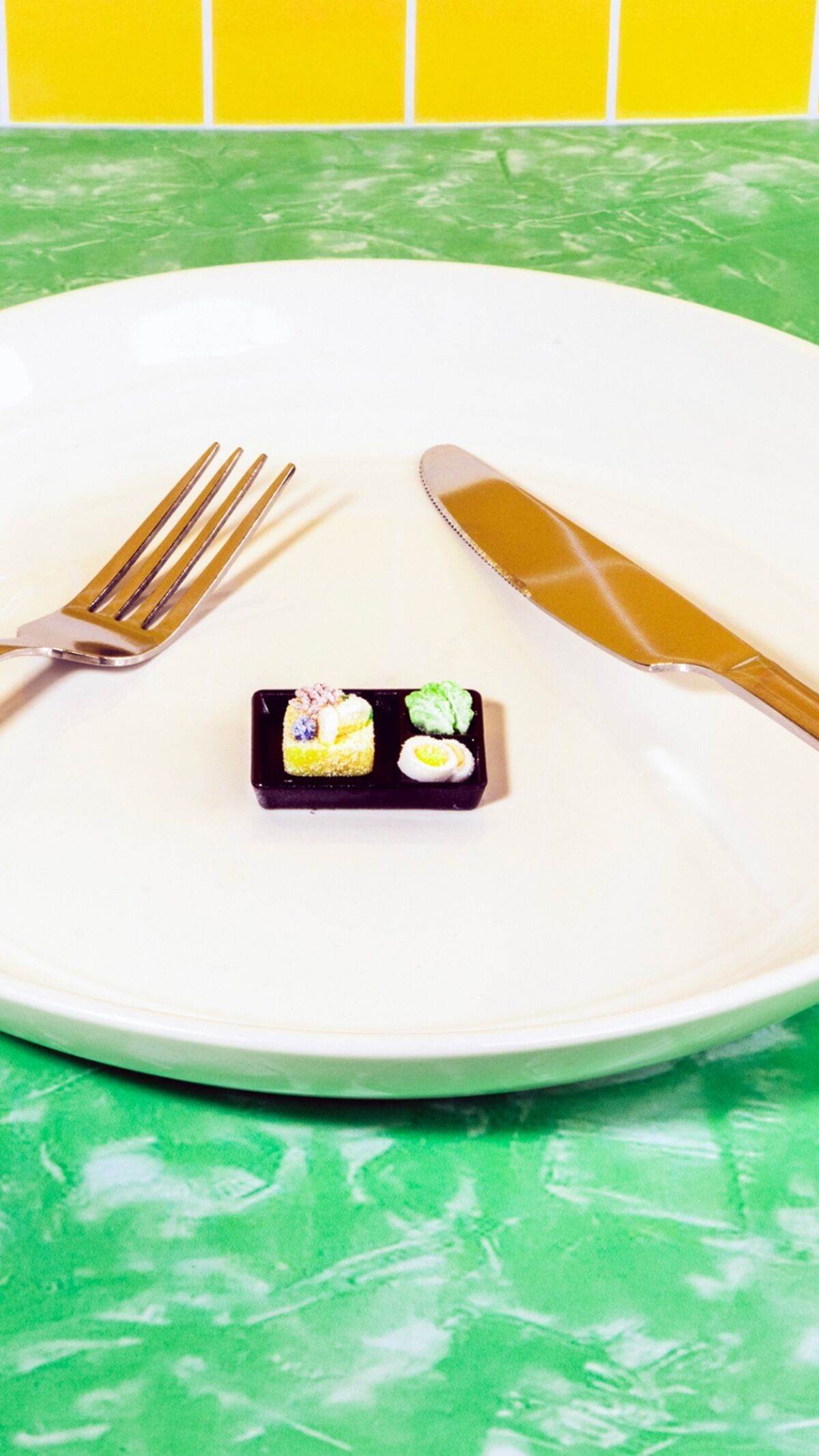

Frozen TV Dinners Reinvented: How the Ozempic Era is Reshaping the Food Industry
By [Your Name]
The Frozen Food Revolution Meets the Weight-Loss Drug Boom
The humble TV dinner—once synonymous with quick, calorie-laden meals for time-strapped families—is undergoing a dramatic transformation. As millions turn to weight-loss drugs like Ozempic and Wegovy, food manufacturers are scrambling to adapt, reinventing frozen meals with lower calories, higher protein, and sophisticated flavors to cater to a new generation of health-conscious consumers. What was once a market dominated by sodium-heavy, processed offerings is now a battleground for innovation, with major brands and startups alike racing to capture the wallets of an increasingly discerning clientele.
This shift isn’t just about portion control—it’s a fundamental reimagining of frozen food’s role in modern diets. With the global weight-loss drug market projected to exceed $100 billion by 2030, the food industry is pivoting to stay relevant in an era where appetite suppression and metabolic health are top of mind.
From Swanson to Sophistication: The Evolution of Frozen Meals
Frozen dinners have come a long way since their mid-20th-century origins. Introduced in 1953 by Swanson as a convenient post-war meal solution, early TV dinners were heavy on processed meats, gravy, and starch, with little regard for nutritional balance. For decades, they remained a staple for busy households, despite criticism over their high sodium and preservative content.
But consumer preferences have shifted dramatically. Today’s shoppers demand transparency, cleaner ingredients, and meals that align with specific dietary goals—whether keto, high-protein, or low-calorie. The rise of GLP-1 agonists like Ozempic, which suppress appetite and slow digestion, has only accelerated this trend. Users of these drugs often report reduced cravings for fatty, sugary foods, forcing food companies to rethink their formulas.
How Ozempic is Reshaping Consumer Habits
The impact of GLP-1 drugs on eating behaviors is undeniable. A recent Morgan Stanley survey found that 63% of users consume smaller portions, while 42% actively avoid high-calorie foods. This has sent shockwaves through the food industry, with snack giants like Hershey and PepsiCo acknowledging the potential long-term threat to sales.
Frozen food, however, may be uniquely positioned to adapt. Unlike snacks or fast food, frozen meals are inherently portion-controlled—a key selling point for Ozempic users who still seek convenience but want to avoid overeating. Companies like Nestlé, Conagra, and startup brands are now rolling out premium frozen lines with restaurant-quality ingredients, reduced sodium, and added protein to appeal to this demographic.
“We’re seeing a seismic shift in demand,” says food industry analyst Rebecca Scheuneman. “Consumers on these medications still want flavorful, satisfying meals—they just don’t want the guilt or the bloated portions of traditional frozen dinners.”
The New Frozen Food Playbook: What’s Changing?
So what exactly does an “Ozempic-friendly” frozen meal look like? Key trends include:
- Protein-Packed Formulas: Brands are boosting protein content to promote satiety, with meals featuring grilled chicken, salmon, or plant-based alternatives like lentils and quinoa.
- Lower-Calorie, Higher-Flavor: Instead of relying on heavy sauces, companies are using spices, herbs, and umami-rich ingredients to deliver taste without excess calories.
- Clean Labels: Preservatives and artificial additives are out; organic vegetables, whole grains, and recognizable ingredients are in.
- Global Flavors: From Thai curry to Mediterranean grain bowls, ethnic-inspired options are replacing bland meat-and-potato combos.
Startups like CookUnity and Factor are leading the charge with chef-crafted, dietitian-approved frozen meals, while legacy brands like Lean Cuisine and Healthy Choice are reformulating classics to meet modern expectations.
Challenges and Skepticism
Not everyone is convinced that frozen food can fully shed its unhealthy reputation. Critics argue that even “better-for-you” frozen meals still can’t match the freshness of home-cooked food. Others question whether the Ozempic trend will have lasting power, given the drugs’ high cost and potential side effects.
“There’s a risk of overcorrecting,” warns nutritionist Dr. Priya Khorana. “While it’s great that companies are reducing empty calories, we shouldn’t assume that everyone on these drugs wants ultra-processed ‘diet’ food. Many would benefit more from whole, minimally processed options.”
The Future of Frozen: A Health-Centric Market?
Despite the challenges, analysts predict sustained growth for the premium frozen segment. The global frozen food market is expected to reach $404 billion by 2027, with health-focused products driving much of the expansion.
For now, the message is clear: The frozen aisle is no longer just about convenience—it’s about catering to a world where metabolic health and mindful eating are priorities. Whether this shift is a fleeting trend or a permanent transformation remains to be seen, but one thing is certain: The TV dinner will never be the same.
As the food industry navigates this new landscape, the ultimate winners may be consumers—who now have more choices than ever to align their meals with their health goals. Only time will tell if these innovations truly meet the moment or if further reinvention lies ahead.
